
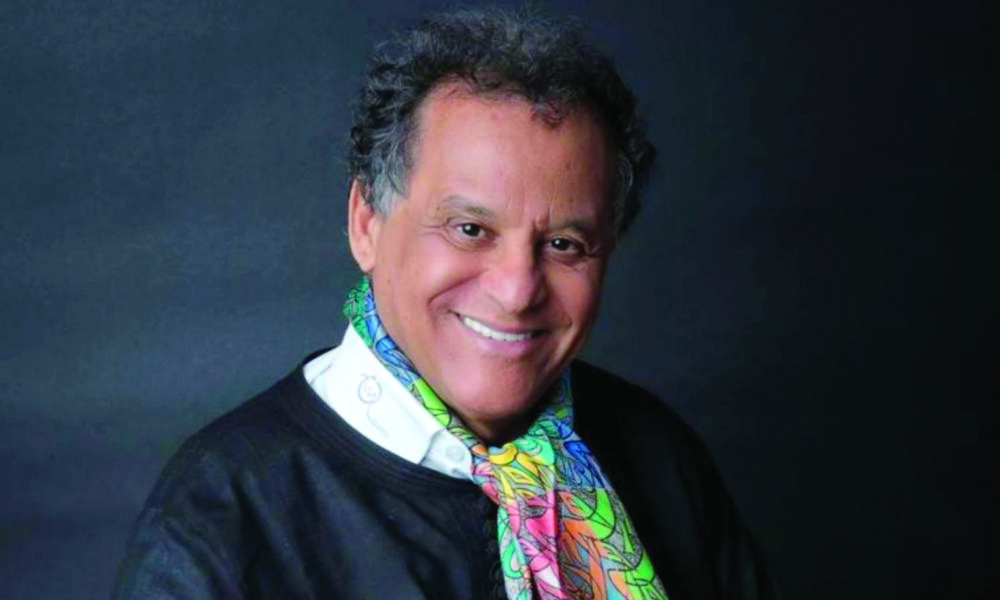
The repatriation of cultural artifacts is seen as far more than a simple exchange of property, according to the president of the FNM. Manuscripts, engravings, and fossils tell the multifaceted story of Morocco and will allow the public to experience a living heritage, bridging memory and cultural identity.
France is preparing to facilitate the return of cultural property acquired during the colonial period, a move expected to benefit Morocco, according to reports from January 29, 2026. The potential return includes manuscripts, artwork, archives, and archaeological objects.
The move comes as families continue decades-long efforts to reclaim land and property. Yves Martin, like his siblings, was born in Morocco, and his father spent 40 years attempting to recover their land, as detailed by the FNPI. He ultimately passed away during the legal battle.
The anticipated law in France aims to streamline the process of identifying and returning these historically significant items. This development underscores a growing international trend toward addressing the legacies of colonialism through the restitution of cultural heritage.
Globally, efforts to track and recover stolen art are ongoing. INTERPOL’s database of stolen artworks currently contains records for more than 57,000 objects, complete with descriptions and photographs, serving as a crucial resource for international law enforcement.
