
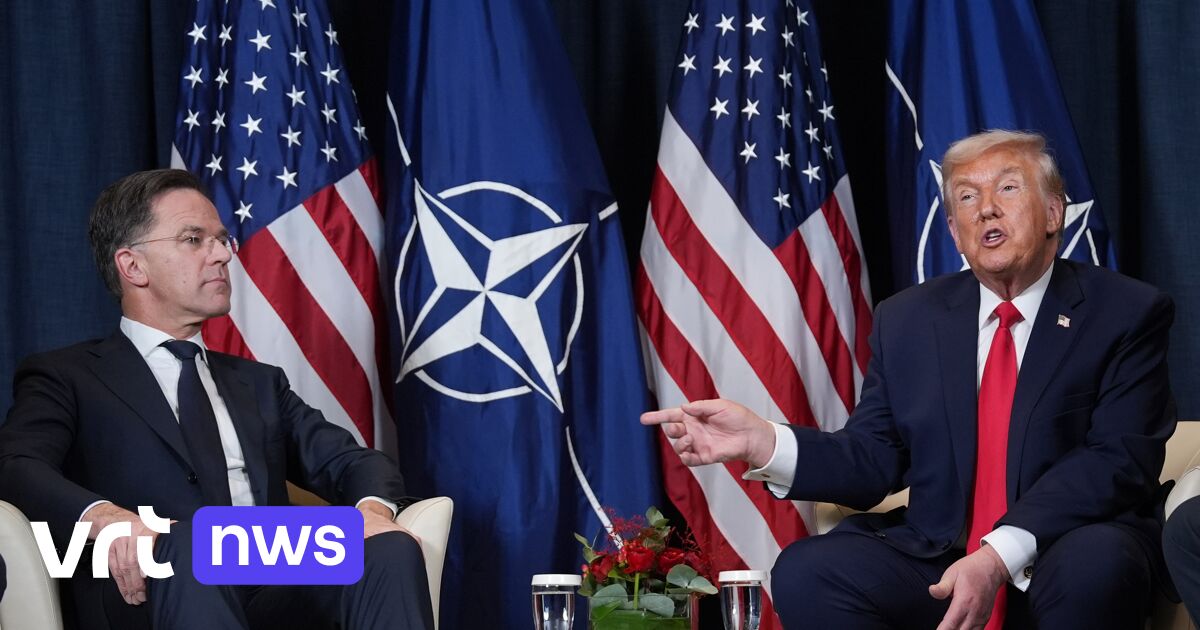
A potential crisis is brewing within the western alliance as President Trump considers formally requesting NATO assistance to secure maritime shipping lanes in the Strait of Hormuz. The move, which could test the unity of the 32-member organization, has raised questions about the level of support European nations are willing to provide in a sensitive geopolitical region. The Strait of Hormuz is a vital artery for global oil supplies, and disruptions there could have significant economic consequences worldwide.
It’s considered unlikely that all NATO member states would readily agree to participate in operations within the Strait of Hormuz. According to reports, a possible solution being discussed is the formation of a “coalition of the willing”—a group of countries that would voluntarily support the U.S. Without requiring the involvement of the entire alliance. This approach would allow nations to contribute based on their individual capabilities and strategic interests.
Trump has framed the situation as a test of European loyalty, stating, “If there’s no answer, or if the answer is negative, then I think that’s particularly bad for the future of NATO.” The development underscores growing tensions between the U.S. And some of its allies regarding burden-sharing and strategic priorities. A formal NATO decision on the matter appears improbable, with some countries, like Spain, already voicing opposition. The alliance was not consulted prior to recent U.S. Military actions in Iran.
Military involvement in the Strait of Hormuz carries substantial risks, with the line between defensive operations and active participation in conflict being exceedingly thin. The announcement could influence future diplomatic talks and potentially escalate regional instability. As of now, the Trump administration has not made a formal request to NATO, but the possibility remains a significant point of contention within the alliance.
