
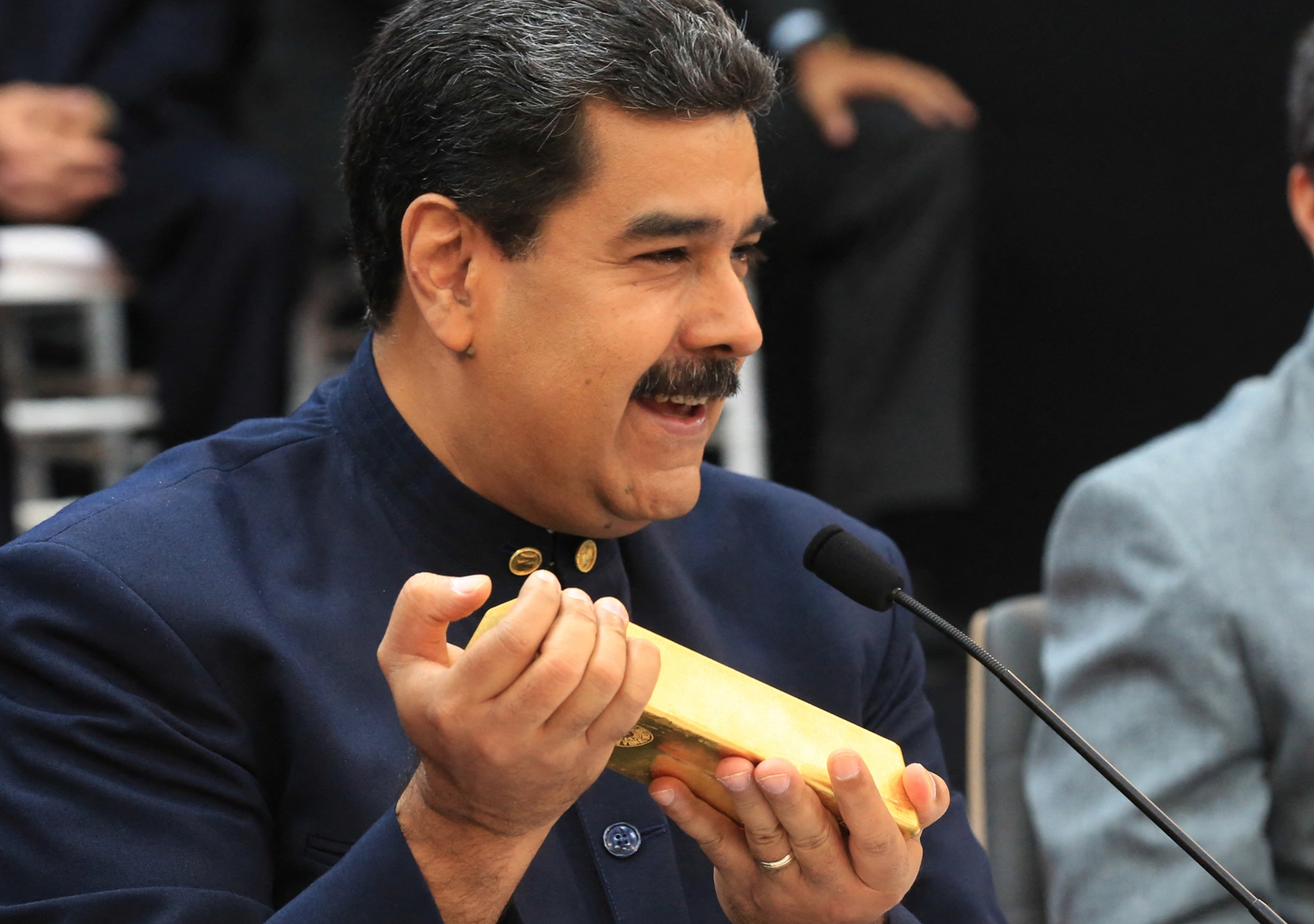
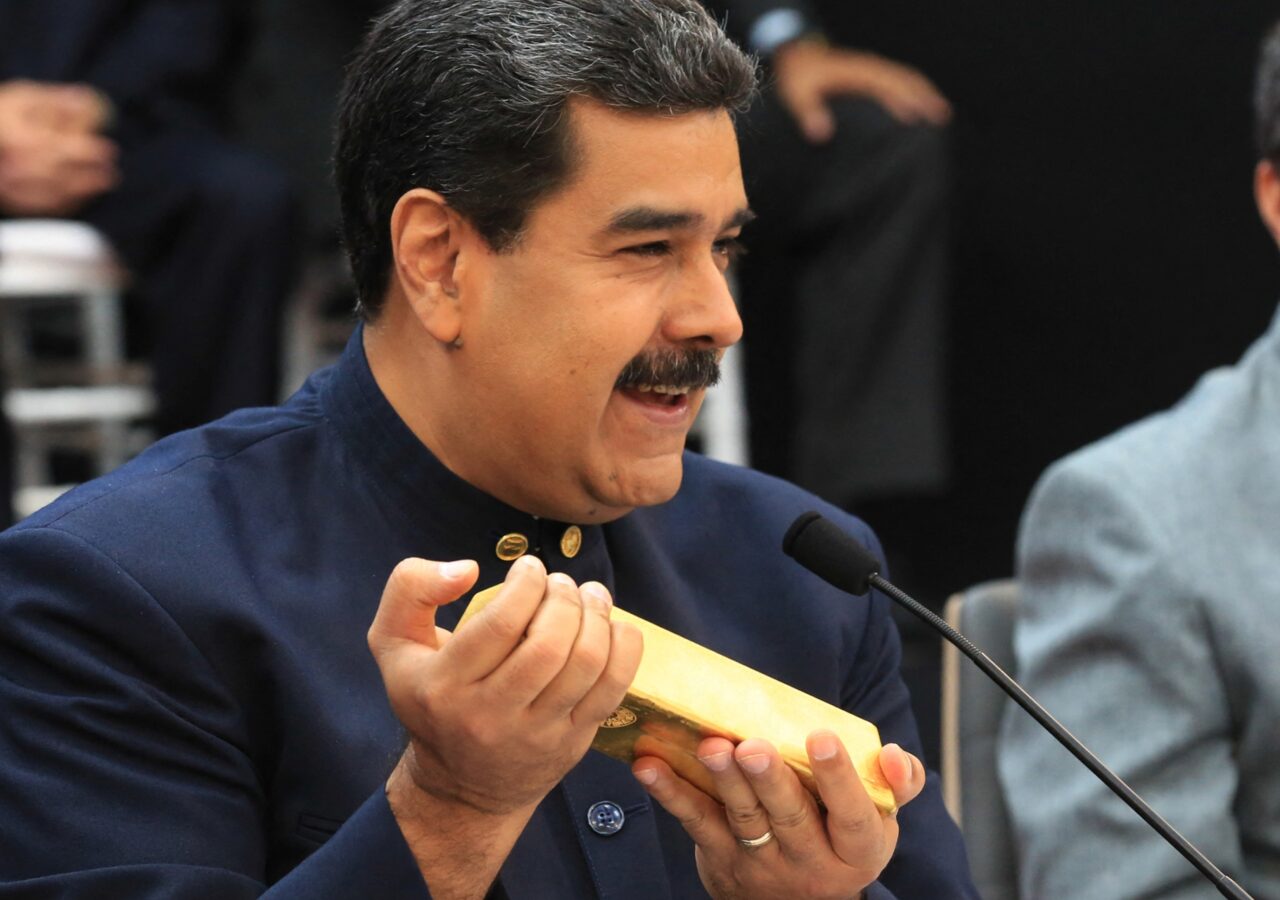
Venezuela reportedly used its gold reserves to finance imports of goods for the government’s food distribution program, known as the Comités Locales de Abastecimiento y Producción (CLAP). The findings, published by Spanish newspaper El País, detail how the Maduro regime circumvented international sanctions through a complex commercial network, primarily involving Turkey. This development highlights the lengths to which the Venezuelan government has gone to maintain social programs amid economic hardship and political isolation.
According to records cited in the report, the Banco Central de Venezuela’s gold reserves have dramatically decreased since Nicolás Maduro assumed power in 2013. The country’s holdings have fallen from 366 tons to approximately 53 tons currently.
This decline occurred despite significant gold production from the Arco Minero del Orinoco, a mining region officially opened in 2016 to boost the country’s gold output. Analysts estimate annual production in the area between 35 and 80 tons.
The investigation suggests that a portion of this gold was exported to fund trade operations with international partners, particularly Turkey, in exchange for essential goods. The Venezuelan gold effectively served as a form of payment for acquiring products that were then distributed through the CLAP program.
Documents reviewed by El País show that in December 2018, a shipment of 1,145 tons of milk powder arrived at the port of La Guaira from Turkey. Following this initial delivery, regular shipments of food items – including spaghetti, macaroni, flour, beans, lentils, rice, oil, beef, and canned tuna – began to arrive.
Data cited by the Spanish newspaper indicates that Turkish exports to Venezuela have increased from less than $50 million to over $300 million in recent years, with approximately two-thirds of those exports consisting of food products.
The gold originated from both the Banco Central de Venezuela and mining operations within the Arco Minero del Orinoco. Thousands of people began working in these mines following the opening of the zone for exploitation, often under precarious conditions.
