
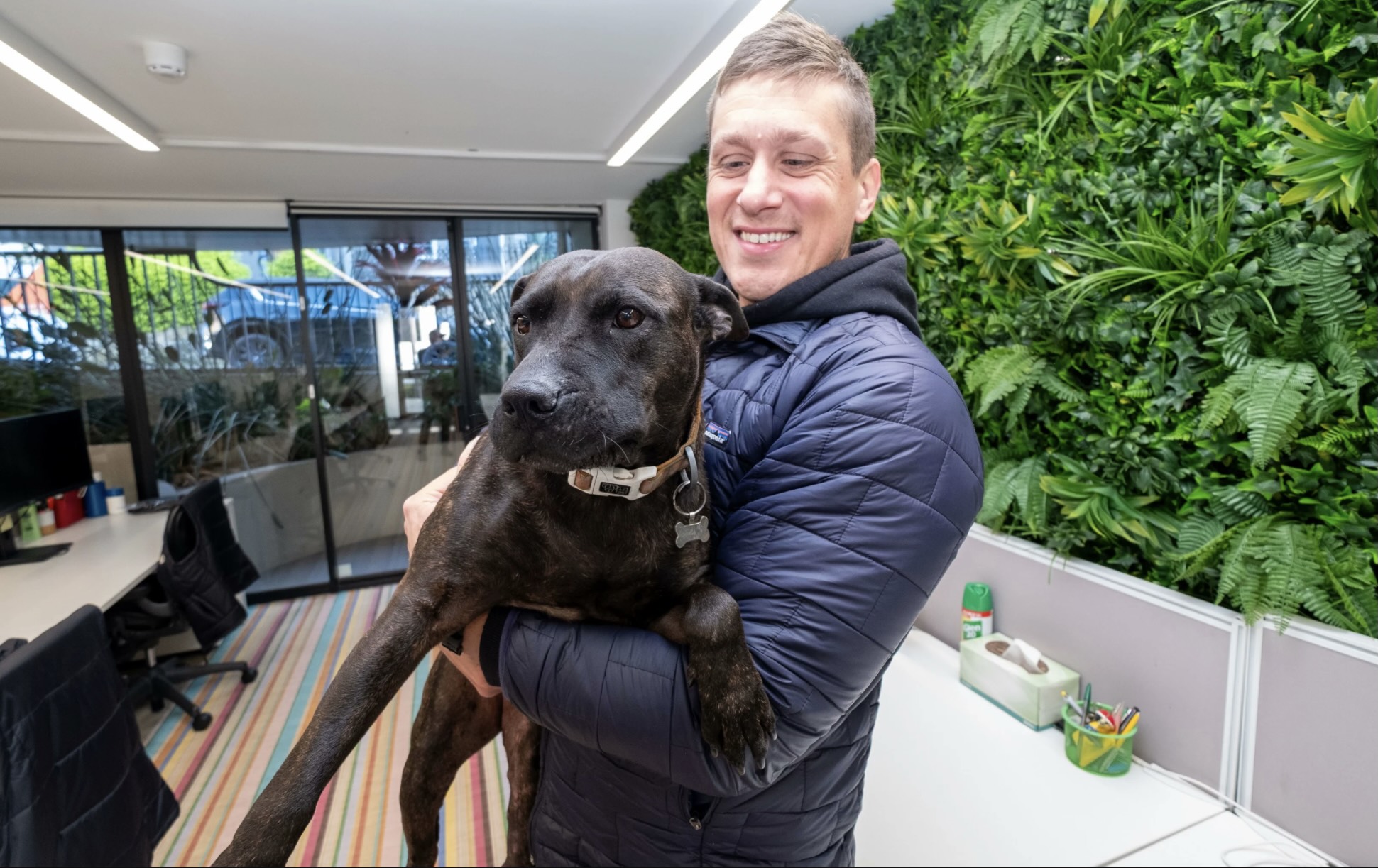

AI ช่วยรักษามะเร็งได้แล้วจริงไหม? เคสไวรัล Paul S. Conyngham อ้างมะเร็งในสุนัขยุบ 75% ผู้เชี่ยวชาญแย้ง “อาจไม่ใช่ฝีมือ AI”
An Australian tech consultant’s claim that artificial intelligence helped shrink his dog’s cancer tumors by 75% is generating significant buzz, but experts are urging caution. Paul S. Conyngham, an AI consultant from Sydney, utilized AI tools like ChatGPT, AlphaFold, and Grok to develop a personalized cancer treatment for his dog, Rosie.
Conyngham’s story, initially reported by The Australian, details how he used AI to explore potential treatments for Rosie, who was diagnosed with Mast Cell Tumor. Despite having no formal medical training, Conyngham initiated the process by having Rosie’s normal and tumor genomes sequenced at the Ramaciotti Centre for Genomics at UNSW Sydney.
He then employed AI systems to identify potential protein targets and search for an approved drug from the U.S. That could be effective. According to Fortune, ChatGPT initially suggested immunotherapy and directed him to the university’s genomics center.
After contacting researchers at the University of Fresh South Wales, Conyngham secured their assistance and funded Rosie’s genomic sequencing. He then analyzed the DNA, using AlphaFold, an AI tool developed by Google’s DeepMind, to pinpoint mutated proteins that could serve as treatment targets. When a promising immunotherapy drug proved unavailable, nanomedicine pioneer Pall Thordarson, director of UNSW’s RNA Institute, stepped in.
Thordarson leveraged Conyngham’s data to create a custom mRNA vaccine for Rosie in under two months. “What we have is the first time a personalized cancer vaccine has been designed for a dog,” Thordarson told Fortune. “This is still at the frontier of where cancer immunotherapeutics are—and we’re going to use this for helping humans. What Rosie is teaching us is that personalized medicine can be very effective, and done in a time-sensitive manner, with mRNA technology.”
Rosie’s tumors have reportedly shrunk significantly, and she is now able to chase rabbits again, according to reports. Although, some experts are skeptical about attributing the positive outcome solely to AI, as noted in a report by Brand Buffet. The case highlights the growing potential of AI in veterinary medicine and personalized cancer treatments, but further research is needed to validate these findings.