
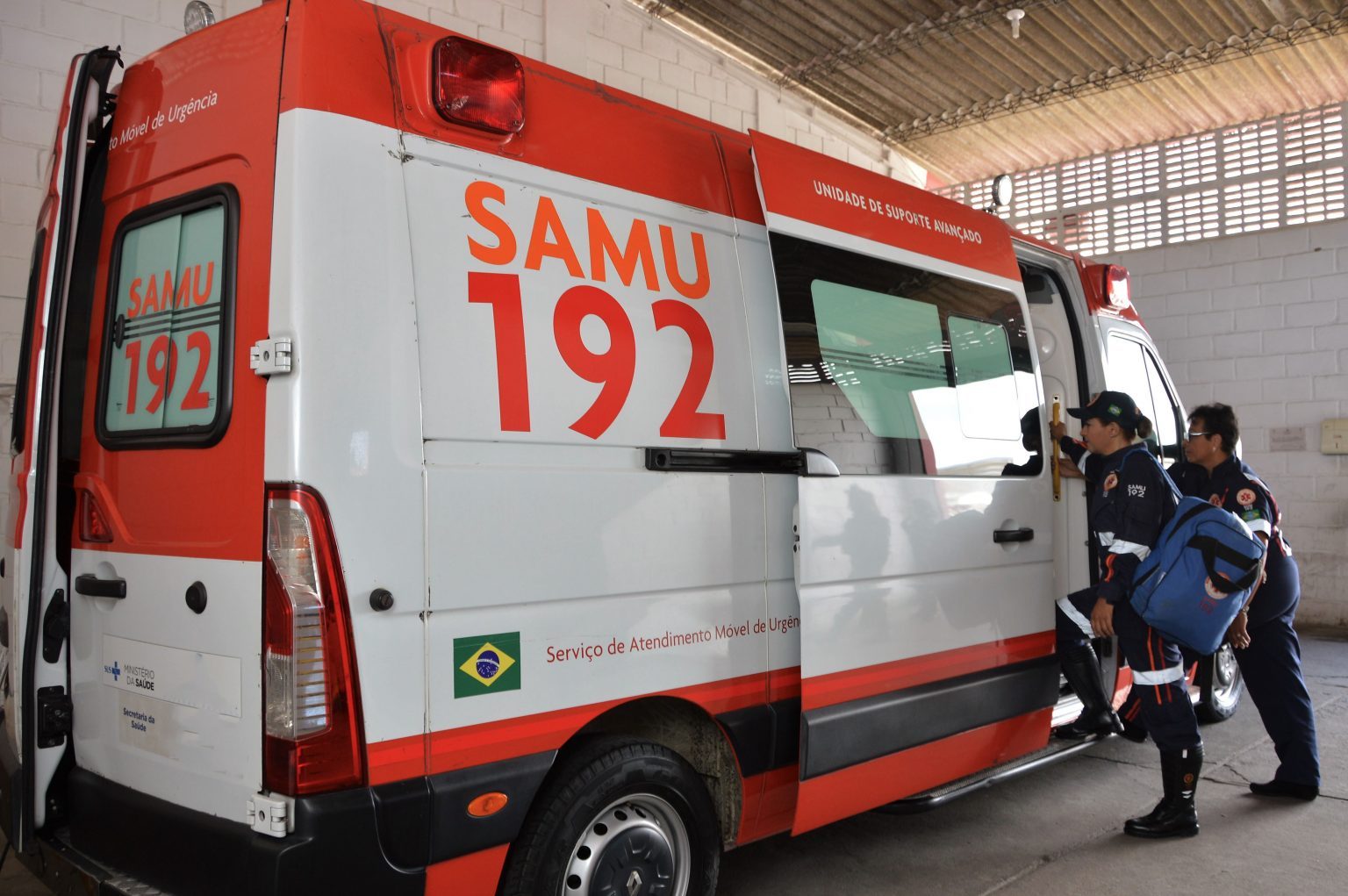
Health officials in Alagoas, Brazil, are reporting a concerning rise in the number of cardiac arrest and heart attack cases this month. As of March 9, 2026, the state’s emergency medical service, SAMU 192, has responded to 47 such incidents – 41 in Maceió and six in Arapiraca. This increase is prompting calls for greater awareness of cardiovascular health and preventative measures.
The current rate is significantly higher than in previous years. The monthly average for 2024 was 21.58 cases, while in 2025, it was 18.91. From January 1 to March 9 of this year, SAMU 192 has already responded to 23.5 cases, signaling a potential public health trend. Cardiovascular disease remains a leading cause of death globally, and these figures underscore the importance of proactive heart health management.
Experts emphasize that adopting healthy lifestyle habits is crucial for preventing cardiovascular disease. These include avoiding alcohol and tobacco use, engaging in regular physical exercise with professional guidance, maintaining a balanced diet, and undergoing routine medical checkups.

Rapid Response Saves Life
On March 7, a 54-year-classic man experienced cardiac arrest while exercising. SAMU 192’s central regulation center provided immediate guidance on first aid measures over the phone. Medical personnel at the scene initiated cardiopulmonary resuscitation (CPR) before the arrival of the ambulance.
During transport to the State General Hospital, the patient suffered two additional cardiac arrests. Under the care of Dr. Julyan Tenório Gonçalves da Silva, the medical team administered appropriate protocols and transferred the patient to the hospital’s Thoracic Pain Unit, where he underwent an angioplasty and received three coronary stents. This case highlights the critical role of swift medical intervention in improving patient outcomes.
Dr. Julyan Tenório emphasizes that prevention is paramount. He recommends regular preventative exams, multidisciplinary medical follow-up, avoiding exercise without proper guidance, staying hydrated, eating a healthy diet, avoiding processed foods, and refraining from self-medication as fundamental steps to protect heart health.
He added that getting adequate sleep before intense physical activity, choosing cooler times of day for exercise, wearing comfortable clothing, and informing a doctor of any pre-existing health conditions before starting a new activity are also essential.
Maintaining healthy blood pressure, managing diabetes and cholesterol levels, and maintaining a healthy weight are also important. Foods rich in omega-3 fatty acids (salmon, sardines), nuts, olive oil, oats, berries, and dark leafy greens can help strengthen the heart and reduce the risk of cardiovascular complications.

A Mission Accomplished: Saving Lives
SAMU 192’s general coordinator, Dr. Mac Douglas de Oliveira Lima, highlighted the professionalism of the teams: “The care provided to the patient demonstrates the excellence of our professionals. SAMU’s primary mission is to save lives, and this is happening every day appropriately, because our professionals are trained and dedicated. They are prepared for their primary mission, which is to save lives every day, with technique, agility, and humanity.”
