
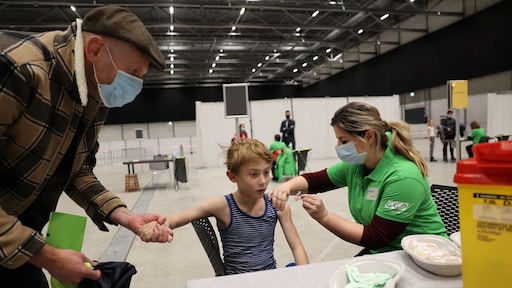
A recent outbreak of Meningococcal disease, specifically type B, has been identified in the United Kingdom, raising public health concerns. This infection, while relatively uncommon, can lead to severe complications and even death, highlighting the importance of awareness and preventative measures.
Type B Meningococcal Disease
At least twenty cases of the infection have been confirmed in the UK over the past week, with two fatalities reported. Investigations have linked the cases to an outbreak originating from a social gathering in the city of Canterbury in early March. A single confirmed case has too been reported in France.
According to the European Centre for Disease Prevention and Control (ECDC), clusters of Meningococcal infections often stem from locations where people congregate. While transmission can occur from person to person, it doesn’t spread as rapidly as airborne viruses like coronavirus.
The infections in the UK are caused by Meningococcal type B, a strain that also circulates in the Netherlands. In 2024, the Netherlands reported 121 cases of this infection to the National Institute for Public Health and the Environment (RIVM).
Symptoms of Meningococcal disease can initially resemble common illnesses, including cold-like symptoms, malaise, and a flu-like feeling. The bacteria can be present in the nose or throat without causing illness. However, when the bacteria enters the bloodstream or nervous system, it can lead to serious conditions such as meningitis or sepsis.
“How the bacteria enters the bloodstream is not yet fully understood,” said Diederik van de Beek, a neurologist at Amsterdam UMC, in a previous statement to RTL Nieuws. “It’s related to both individual and bacterial factors, and we are continuing to research this.” The disease poses a risk to people of all ages, but is particularly dangerous for young children, teenagers, and young adults up to the age of 25.
Long-Term Effects
“Here’s a disease that doesn’t receive much attention, yet 10 percent of those who contract it die,” van de Beek noted. “And half of those who survive are left with residual effects that significantly impact their quality of life.”
In the Netherlands, variants A, B, C, W, and Y of Meningococcal disease are present. The national vaccination program provides protection against all variants, in addition to type B, resulting in a low incidence of infection. This comprehensive vaccination strategy underscores the effectiveness of preventative measures in controlling the spread of this potentially life-threatening disease.
The 21-year-old Luka was one of the few people in the Netherlands who died from Meningococcal type B three years ago. Her mother Ingeborg tells in this video how this happened, despite Luka having received the Meningococcal vaccination:
