
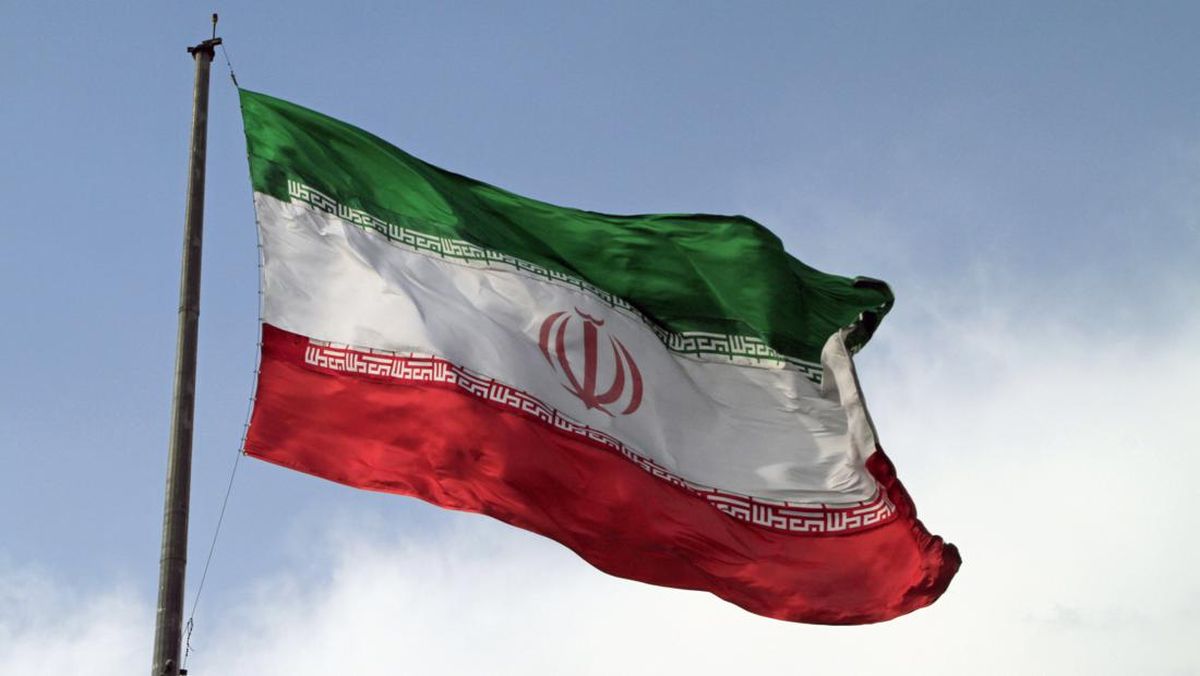
A joint military operation by Israel and the United States against Iran on February 28 has sparked increased analysis of the Middle East region.
Israel and the U.S. Have been adversaries of Iran since 1979. Meanwhile, Iran, which borders several Arab nations, maintains closer ties with China and Russia, two countries that serve as counterweights to U.S. Power.
During the current conflict, referred to as the Ramadan War, Iran has reportedly received support from Russia and China, although Beijing has stated it is maintaining a neutral position. Neighboring Gulf states, however, have largely refrained from offering assistance.
ADVERTISEMENT
SCROLL TO CONTINUE WITH CONTENT
According to Dr. Bichara Khader, Professor Emeritus at Université Catholique in France and an expert on contemporary Arab affairs, Iran’s nuclear program, which resumed in the early 1990s, initially faced funding challenges and lacked support from Western nations.
“That’s when Iran turned to China, which began to have a strong need for Iranian oil and gas and especially Russia, which was happy to take over the role of Western countries in a nation of undeniable strategic importance,” Khader stated in a report by the European Institute of Mediterranean Studies.
Cooperation with Russia led to the completion of the first unit of the Bushehr Nuclear Power Plant in Iran, with a contract signed in 1999. Agreements with China, meanwhile, were established earlier, in 1990, to facilitate “transfer of nuclear fuel cycle technology.”
This technological collaboration between Iran, Russia, and China provoked a response from the U.S., which imposed a series of sanctions between 1995 and 1996 on companies investing in Iran’s oil and gas sectors.
These sanctions fueled resentment among Iranian citizens and intensified anti-American sentiment. They also significantly impacted European interests in Iran.
Iran had become a profitable market for European oil companies and businesses, with substantial investments already made.
European nations found themselves targeted by the extraterritorial reach of American law, granting the U.S. The unilateral authority to prohibit other countries from trading with a third nation, such as Iran.
European countries felt their “sovereignty” was compromised, yet were compelled to comply with sanctions they hadn’t chosen and that conflicted with their own interests.
Simultaneously, Israel began issuing threats and launching a campaign to condemn Iran’s nuclear activities, declaring its readiness to destroy all Iranian nuclear facilities, claiming Iran posed an “existential” threat to the Jewish state.
While Iran has reportedly sponsored attacks against Israeli targets, it has never directly engaged in confrontation with Israel.
As Khader explained, the Iranian nuclear issue is a central preoccupation for both the U.S. And Israel, a concern now shared by Gulf states, particularly the United Arab Emirates and Saudi Arabia.
Saudi Arabia views a nuclear-capable Iran as a greater threat to regional stability and fears it could trigger nuclear proliferation throughout the region.
This concern partially explains the recent normalization agreements between Israel, the United Arab Emirates, and Bahrain, facilitated by former President Trump and his son-in-law, Jared Kushner.
(imf/dna) Add as a preferred
source on Google
