
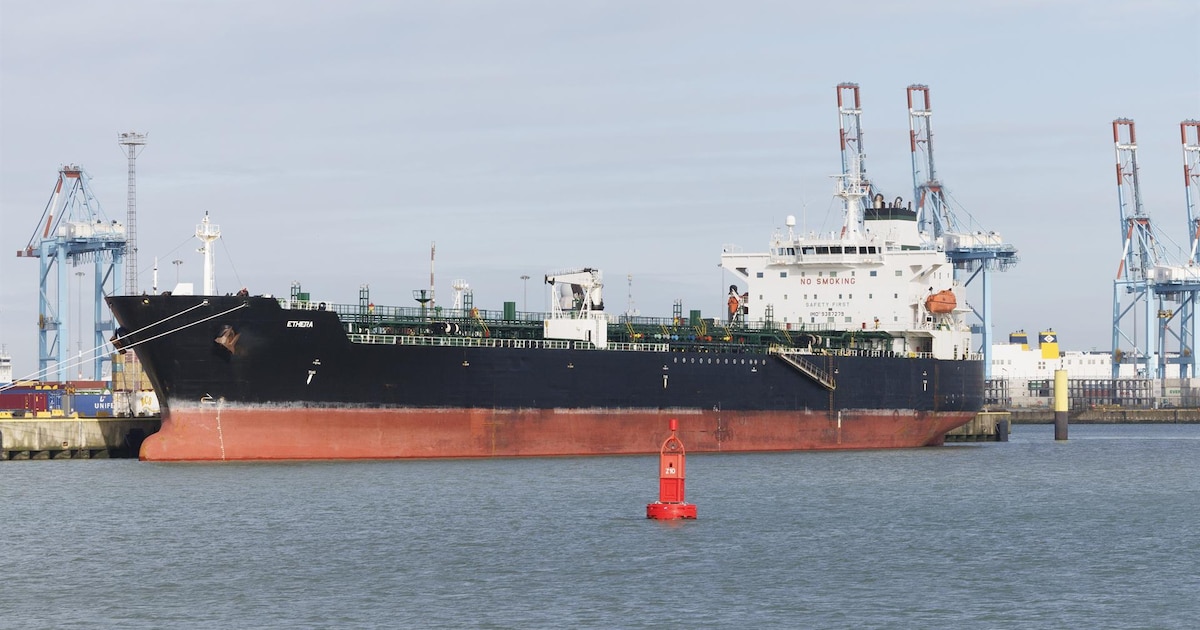
Cuba is facing a severe energy crisis, with prolonged blackouts and a paralyzed economy, as two Russian oil tankers head toward the island nation. The shipments could mark the end of a more than three-month period without confirmed external supplies.
The arrival of these cargoes is being closely monitored by maritime tracking platforms and commercial intelligence sources, despite diplomatic pressure and sanctions from the United States.
According to tracking data from MarineTraffic, both vessels have declared official destinations outside of Cuba. The Sea Horse, for example, is listed as heading to Boston. However, independent analysis raises doubts about their final routes.
Experts say the employ of indirect routes, manipulation of the Automatic Identification System (AIS), and flag changes are tactics used to hinder the effective application of sanctions.

The Sea Horse, a tanker flagged in Hong Kong, has been under scrutiny since early February. Investigations by the maritime intelligence firm Windward, cited by AFP, show the vessel allegedly received a transfer of approximately 190,000 barrels of Russian diesel off the coast of Cyprus. Subsequently, it altered its declared destination several times: initially appearing to be headed to Havana, then changing to Gibraltar, and finally to Boston.
For long stretches of the journey, the Sea Horse switched off its AIS signal, a tactic that reduces visibility of its location and is identified as “evasion practice” in the shipping sector.
Windward also notes that the Sea Horse lacks insurance issued by Western companies, an element often associated with operations seeking to evade international sanctions. This lack of coverage makes claims difficult in the event of an accident, but also allows the vessel to operate outside the usual circuits of financial and legal control.

The Anatoly Kolodkin, a Russian tanker sanctioned by the United States, the European Union, and the United Kingdom, departed from the port of Primorsk in early March. According to data from the firm Kpler, collected by The Guardian and Financial Times, it is carrying approximately 100,000 metric tons of Urals crude oil—the equivalent of more than 725,000 barrels—destined for the Matanzas terminal, on the north coast of Cuba.
Satellite tracking places its arrival in the first weeks of April, which would be the largest shipment of Russian oil to Cuba since sanctions intensified earlier this year.
Following the capture of Venezuelan leader Nicolás Maduro on January 3 and the suspension of Venezuelan shipments, the U.S. Government tightened its stance on Cuba, cutting off access to traditional sources and pressuring third countries not to supply fuel to the island.
Since then, oil supplies have depended entirely on the Cuban regime’s ability to circumvent the international blockade.

Cuba produces only 40% of the oil it consumes, according to information collected by Financial Times. The rest had to be imported, mainly from Venezuela, Mexico, and, to a lesser extent, Russia.
The last shipment recorded from Mexico dates back to January 9, after which Washington increased diplomatic and commercial pressure, leading the Mexican government to suspend shipments.
The impact on the population has been devastating. Hospitals have canceled procedures, commercial flights have been suspended due to lack of fuel, and basic services, such as garbage collection and public transportation, operate intermittently.
Cuban leader Miguel Díaz-Canel has publicly acknowledged the severity of the crisis and the need to seek alternatives to the energy blockade.
Faced with this situation, the Havana regime has attempted to diversify its access to energy. Official media, such as the newspaper Granma, have promoted solar generation initiatives, although the scale of these solutions falls far short of meeting national demand. At the same time, timid invitations have been extended to Cuban entrepreneurs abroad to invest, despite the U.S. Embargo continuing to prevent large-scale commercial operations.

The administration of Donald Trump stated its intention to “take” Cuba or intervene beyond sanctions. Moscow, for its part, expressed its support for Havana, describing the U.S. Pressure as “unacceptable” and reaffirming its commitment to supporting the island’s energy stability.
Experts cited by Financial Times, such as Samir Madani of TankerTrackers.com, warn that dependence on external sources and the adoption of clandestine routes not only reflect Cuba’s isolation but also the degree of sophistication achieved in evading international sanctions.
