
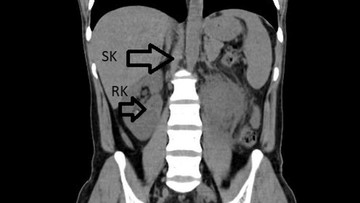
A 31-year-old man in Wardha, India, recently received medical attention after being diagnosed with a severe urinary tract infection (UTI) and, unexpectedly, an extra kidney. The case highlights the complexities of diagnosis and the potential for rare anatomical variations.
The patient initially sought treatment for common UTI symptoms, but further examination revealed a surprising anomaly. He had been experiencing intense pain in his lower right back for approximately five days before presenting to the hospital, signaling a potential issue with his urinary system.
In addition to the localized pain, the man reported a burning sensation during urination, a hallmark symptom of a UTI indicating significant inflammation of the urinary tract. He was too experiencing a high fever, exceeding 39 degrees Celsius, suggesting the infection may have been spreading or was particularly concerning.
Yet, while doctors were evaluating the UTI, they discovered an unusual organ. “The patient had an additional kidney,” a medical source involved in the case confirmed. This finding significantly altered the diagnostic approach.
The presence of an extra kidney is a rare congenital abnormality, infrequently detected, especially when a patient presents with a common infection. This discovery required doctors to broaden their focus to understand the function and condition of the third kidney alongside treating the severe UTI.
The case is currently under close observation as medical professionals work to address both the UTI and the implications of the extra organ, according to reports from local medical sources. Such anatomical variations, while rare, underscore the importance of thorough medical investigation and individualized patient care. The findings could contribute to a better understanding of congenital abnormalities and improve diagnostic practices.
