
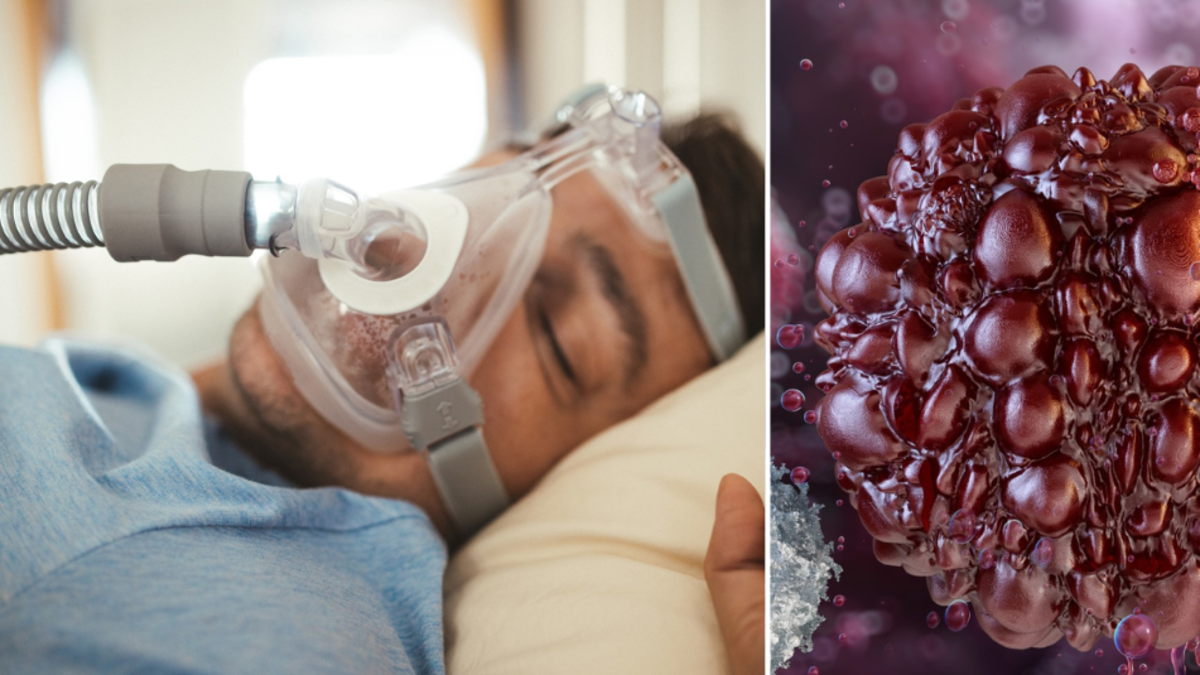
Obstructive sleep apnea may increase the risk of cancer, its aggressiveness, and associated mortality, due to a weakened immune system caused by intermittent drops in oxygen levels during sleep, according to a specialist at a leading Spanish hospital.
READ ALSO
Francisco García Río, head of the Pulmonology Section at La Paz University Hospital, explained during the 34th Annual Meeting of the Spanish Sleep Society (SES) that repeated drops in blood oxygen levels characteristic of sleep apnea impact both the innate and adaptive immune systems, reducing their ability to detect and eliminate tumor cells. This finding highlights the complex interplay between sleep disorders and cancer development.
“All animals, including humans, have an immune surveillance system. If a cell in our body acquires characteristics of a neoplastic cell and triggers the development of a tumor, our immune system is trained to detect it, phagocytose it, and destroy it,” García Río stated.
Nighttime breathing disturbances can weaken natural defenses. Photo:iStock
Impaired Immunosurveillance in Patients with Sleep Apnea
The expert indicated that in people with obstructive sleep apnea, this system is impaired, decreasing its ability to identify and destroy tumor cells. This phenomenon could explain the increased risk of cancer and its greater aggressiveness in these patients. The research underscores the importance of addressing sleep disorders as part of a comprehensive cancer prevention strategy.
However, he clarified that the relationship between sleep apnea and tumors associated with sex hormones, such as those of the prostate, breast, or ovary, is not yet fully defined.
CPAP Treatment and its Potential Impact on Mortality
The main treatment for obstructive sleep apnea is CPAP, a device that delivers pressurized air to maintain the airways open during rest.
While there are no conclusive clinical trials on its effect on cancer, observational studies have provided relevant insights.
READ ALSO
This Make sure to know. Photo:iStock
García Río cited a 2023 multicenter analysis of patients with metastatic melanoma that showed severe sleep apnea was associated with a higher risk of death at five years. However, those who followed CPAP treatment showed a significant reduction in mortality.
“The results obtained suggest that CPAP treatment significantly reduces the risk of mortality from melanoma,” the specialist affirmed.
Research on Combination with Immunotherapy
The pulmonologist also indicated that researchers in Spain are studying whether the apply of CPAP can enhance the effectiveness of immunotherapy, one of the key treatments against cancer.
READ ALSO

“We want to see if the response to immunotherapy is greater and more effective with CPAP, as it would be a way to enhance the treatments we are currently applying,” he concluded.
Listin Diario (Dominican Republic) / GDA.
More news in EL TIEMPO
*This content was rewritten with the assistance of artificial intelligence, based on information from Listin Diario (GDA), and was reviewed by a journalist and an editor.
