
A display of solidarity with Cuba has drawn criticism for appearing to prioritize comfort and privilege over the hardships faced by ordinary Cubans. The arrival of the “Nuestra América Convoy” – initially a flotilla, now encompassing air and land routes – has highlighted a disconnect between some international supporters and the daily realities of life on the island, where widespread shortages and power outages are common.
The initiative, which began in early February as a maritime effort to deliver food, medicine, and essential supplies, has evolved into a politically charged spectacle, according to reports. The convoy aims to counter the impact of U.S. Sanctions and a recent energy crisis exacerbated by disruptions in Venezuelan oil shipments and pressure from the Trump administration.
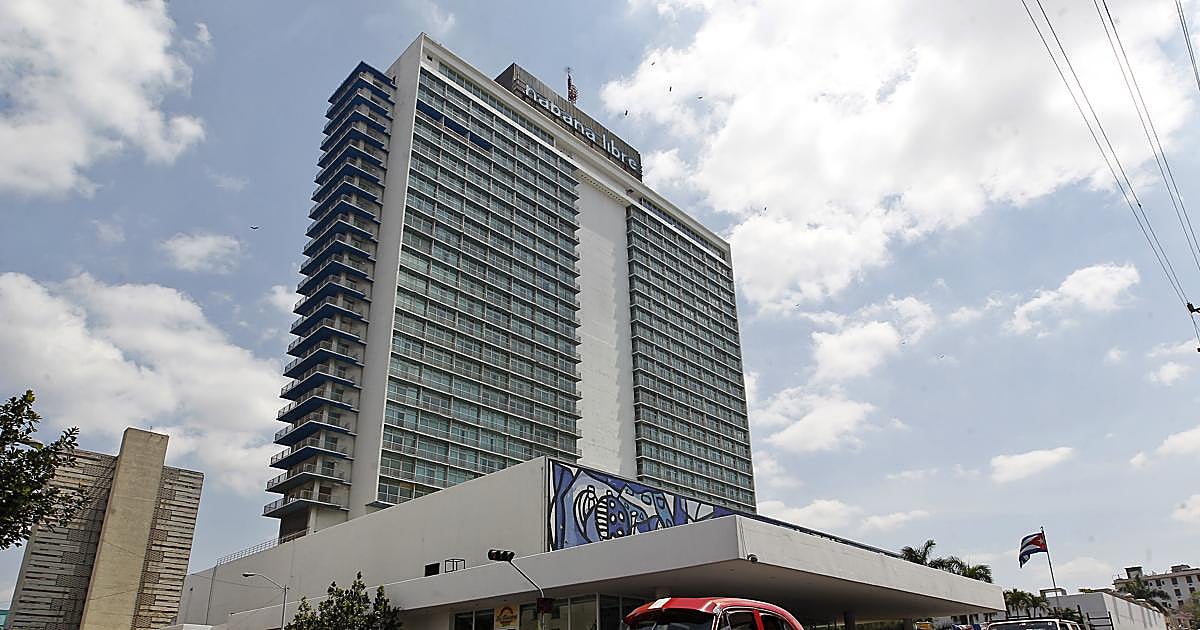
Videos circulating online show figures like Pablo Iglesias, Owen Jones, and Hasan Piker expressing concern for the Cuban people while staying in five-star hotels costing between $130 and $520 per night. This contrasts sharply with the average Cuban monthly salary of approximately 7,000 Cuban pesos – roughly $14 USD at the informal exchange rate.
While much of Cuba experienced another national blackout on March 22, 2026, with residents relying on flashlights and generators, some members of the international solidarity delegation maintained internet access and electricity within their hotels. The situation underscores the stark contrast between the experiences of visitors and the Cuban population.
Hasan Piker defended the accommodations, claiming that U.S. Government regulations require Americans traveling to Cuba to stay in five-star hotels. However, this assertion is inaccurate. U.S. Regulations prohibit lodging at establishments affiliated with the Cuban state, high-ranking officials, or elites, but allow stays in independent accommodations like casas particulares, provided they comply with travel requirements.
A group of entitled champagne socialists went to Cuba to “deliver aid.”
The group included Hasan Piker (wearing $1,380 Cartier glasses) and pro-CCP, pro-Kremlin Code Pink activists. They flew in first class, stayed at a five-star hotel, and partied all night while most Cubans… pic.twitter.com/epBL9IUTx8
— Vatnik Soup (@P_Kallioniemi) March 22, 2026
Meliá Hotels International, which operates several hotels in Cuba, is on the U.S. State Department’s list of prohibited accommodations for U.S. Citizens, and the U.S. Has imposed visa restrictions on the chain’s executives and their families for allegedly benefiting from properties confiscated during the Cuban Revolution.
Piker was photographed in Cuba wearing a $600 shirt and $1,000 glasses, while Christian Smalls, a union organizer, was seen with Versace gold jewelry. The imagery sparked criticism, with some observers suggesting the trip resembled a luxury excursion more than a show of solidarity.
Pablo Iglesias desde un hotel en La Habana afirma que la situación no es tan crítica… Dice funcionarios comunistas le contaron que hay equipos fotovoltaicos y vehículos eléctricos.
Lo más rancio de la izquierda se reúne en #Cuba… Sin vergüenza alguna. pic.twitter.com/tDUjVqSJkT
— Mag Jorge Castro🇨🇺 (@MagJorgeCastro) March 20, 2026
The initiative, launched in February, initially focused on delivering aid by sea. It quickly evolved into a more visible political event. On March 21, 2026, Cuban President Miguel Díaz-Canel addressed the activists at the Palacio de Convenciones in Havana, surrounded by international flags and symbols of various causes, including Catalan independence. The event culminated in a concert by the Irish group Kneecap, organized by Code Pink, while much of the island remained without power.
The “Nuestra América Convoy” brought 650 delegates from 33 countries and 120 organizations to Cuba. Progressive International and Code Pink, known for supporting regimes hostile to the United States, were central to the organization. Code Pink has previously engaged in similar activism in Venezuela, Syria, Russia, and China.
The operation was promoted by Mariela Castro through Progressive International, but details regarding the distribution of aid remain limited. This lack of transparency has drawn criticism from Cuban exiles in the United States. Mike González, a fellow at the Heritage Foundation, accused the activists of treating the Cuban government as a “theme park” while the population suffers from blackouts and shortages. “They stay in a five-star hotel while the island’s power grid has collapsed for the second time in a week,” he said. “Meanwhile, these hundreds of communists who have arrive from all over the world are feasting on lobster tails and treating Cuba like an ideological theme park.”
The situation comes as former President Trump has restricted oil shipments from Venezuela and Mexico, worsening Cuba’s energy crisis and increasing pressure on the island. Trump recently stated, “I think I will take Cuba. It would be good. It’s a great honor,” and added, “I can liberate it or take it; I think I can do whatever I want with it.”
