
Conflicting Accounts Emerge Regarding U.S.-Iran Dialogue
Washington and Tehran are offering sharply contrasting accounts regarding potential communication between the two countries, adding to the complexity of the already volatile situation in the Middle East. The diverging statements come as tensions remain high and concerns grow over potential escalation in the region.
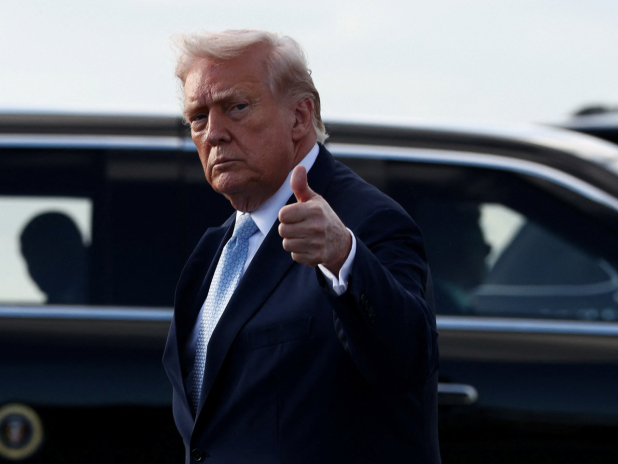
Former U.S. President Donald Trump stated that discussions with Iran have been “very productive,” and also indicated he had ordered a delay in potential strikes against Iranian power facilities and energy infrastructure. This announcement comes as investors assess the risks surrounding the evolving situation, with a deadline for potential action reportedly approaching.
However, Iranian officials have denied any communication or negotiations with the United States. This denial directly contradicts Trump’s claims, leaving the status of any potential dialogue unclear. The conflicting reports have prompted confusion and speculation among observers.
Meanwhile, a coalition of 22 nations is reportedly planning a joint operation to reopen the Strait of Hormuz, a critical waterway for global oil supplies. The move, announced by NATO Secretary-General, aims to ensure freedom of navigation in the strategic sea lane. The development underscores growing regional tensions and the potential for further disruption to energy markets.
The differing narratives from Washington and Tehran highlight the challenges in de-escalating tensions and finding a diplomatic path forward. The situation remains fluid, and the potential for miscalculation remains a significant concern. The announcement regarding the Strait of Hormuz could influence future diplomatic talks and regional security arrangements.
