
By Sophie Williams, Tech Editor
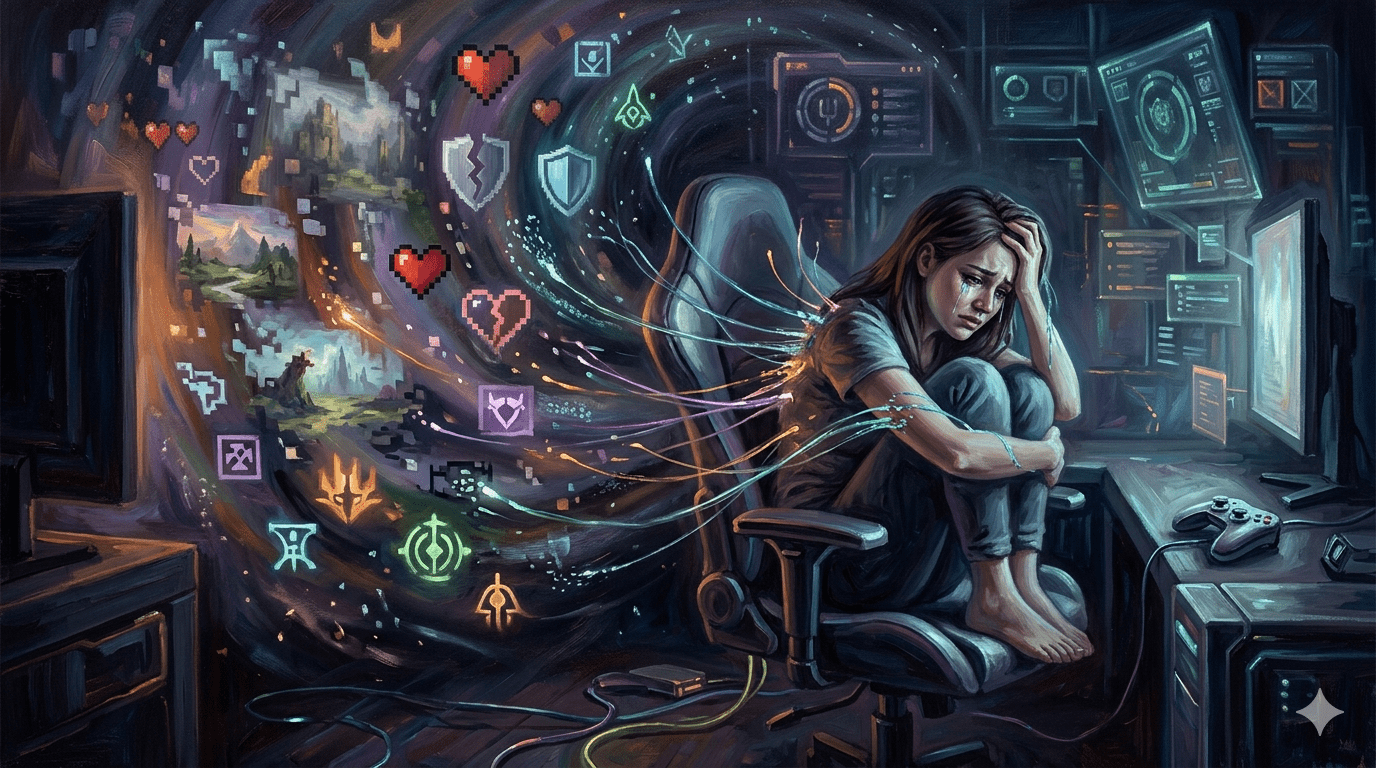
A new study confirms what many gamers have long suspected: a sense of loss and emptiness can follow the completion of a lengthy, immersive video game. Researchers at SWPS University in Poland have identified and named this phenomenon “Post-Game Depression” (P-GD), finding that the emotional intensity can rival the grief experienced after losing a loved one or ending a significant life chapter.
Emotional Investment Drives the Phenomenon
Kamil Janowicz, the psychologist leading the research, defines P-GD as “the feeling of emptiness that arises after completing a highly immersive and emotionally engaging game.” Data from the study shows that players of role-playing games (RPGs) are particularly vulnerable, as these games allow players to influence character development through their decisions, fostering deep connections with virtual characters.
“Virtual worlds have become important emotional outlets for many players, and returning to real life after a game ends often requires time and appropriate psychological tools,” explained Dr. Janowicz. He noted that titles requiring nearly one hundred hours of gameplay, such as FFVII Rebirth or DEATH STRANDING 2: ON THE BEACH, are most likely to trigger withdrawal-like reactions.
More tech news can be found at Tech+.
Ethical Considerations for Game Developers
As game design technology advances and developers strive to create increasingly captivating worlds, the study raises ethical questions about the industry’s responsibility to player wellbeing. Dr. Janowicz suggests that developers should consider players’ mental health and welfare after game completion, aiming to avoid over-immersion that leads to difficulties readjusting to real life.
For many, the joy of experiencing a game is often tempered by the sadness of its ending. While the feeling of novelty can’t last forever, this scientific finding provides strong psychological support and validation for players’ long-held experiences of “digital heartbreak.”
Further reading:
A Lo-fi game plagued by a paranormal bug has players begging developers not to fix it.
Puritto Prisoner, a bizarre escape game, lets you attempt a jailbreak using… well, bodily fluids.
Source: destructoid


