
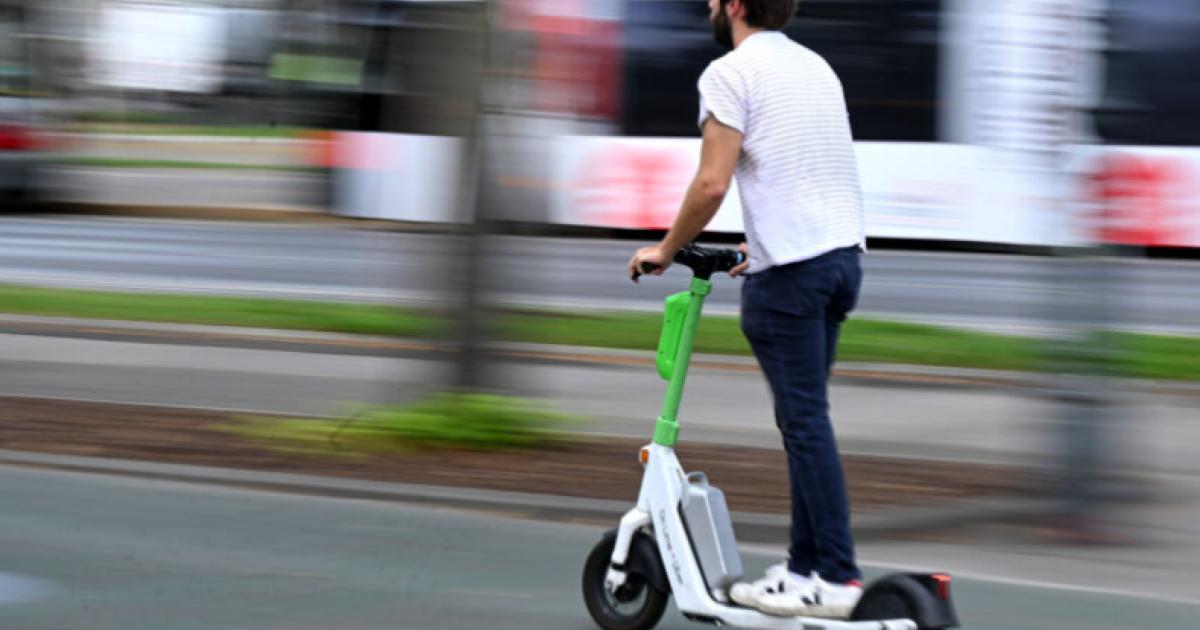
Austria’s National Council on Wednesday overwhelmingly approved revisions to the country’s road traffic regulations, including new rules for e-bikes and e-scooters. The changes, which aim to improve road safety amid a rise in accidents involving the increasingly popular vehicles, will take effect May 1 for e-bikes and e-scooters, and in October for e-mopeds.
The updated regulations reclassify e-scooters and e-mopeds, with e-mopeds now categorized as motor vehicles. This means they will be prohibited from using bicycle lanes and will be subject to mandatory helmet, driver’s license, and insurance requirements. A helmet requirement for e-scooter riders up to age 16 and for e-bike riders up to age 14 is also included in the revisions. The new law also establishes a legal framework for automated access controls, such as those planned for Vienna’s inner city.
These automated controls are designed to identify vehicles illegally entering traffic-calmed zones. The move underscores a growing trend toward utilizing technology to enforce traffic regulations.
The camera-based access controls faced opposition from the Freedom Party of Austria (FPÖ). “Freedom dies quietly,” warned FPÖ representative Elisabeth Heiß during the parliamentary debate. Social Democratic Party (SPÖ) representative Wolfgang Moitzi countered, stating, “Children unfortunately do not die quietly,” referencing the goal of reducing traffic accidents through the new regulations.
Transport Minister Peter Hanke and spokespersons for the governing Austrian People’s Party (ÖVP) and NEOS emphasized that data privacy concerns had been thoroughly addressed. The Green Party supported the revisions but called for cameras to be visibly switched off during public demonstrations. However, this amendment did not receive majority support.
Increased Scrutiny for Driver’s License Exams
In addition to the e-vehicle regulations, three other traffic laws were also approved. Stricter penalties for cheating on driver’s license exams were passed with support from the governing parties and the Green Party. Individuals caught cheating will now face an 18-month wait before retaking the exam, up from nine months, and those organizing the fraud could face administrative fines.
Lawmakers unanimously approved the national implementation of an EU directive on intelligent transport systems, as well as precautionary measures for the operation of road tunnels during emergencies like blackouts. The implementation of EU directives highlights Austria’s commitment to aligning with European standards.
