
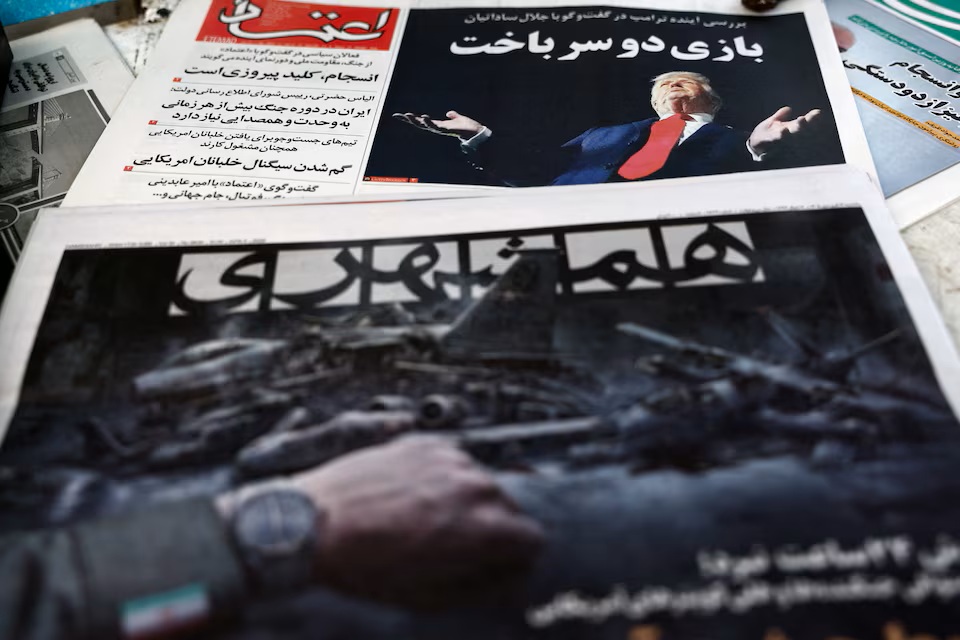
Washington and Tehran are currently engaged in high-stakes negotiations over a proposed 45-day ceasefire, described by sources as a “last chance” to prevent a catastrophic escalation of hostilities in the Middle East. The diplomatic effort comes as the region teeters on the edge of a wider conflict, with the potential for large-scale air campaigns and retaliatory strikes on critical infrastructure.
According to reports from informed sources, the current proposal is structured in two distinct phases designed to freeze immediate combat and create a pathway toward a permanent resolution. The first phase calls for a 45-day cessation of hostilities to protect energy and water infrastructure from imminent American-Israeli attacks and subsequent Iranian responses.
The second phase would transition the temporary truce into negotiations for a comprehensive and permanent peace agreement. The terms under discussion include Iran agreeing to abandon its nuclear weapons program in exchange for the United States lifting economic sanctions and releasing frozen Iranian assets. Any final deal would require the reopening of the Strait of Hormuz and a definitive resolution to the Iranian uranium file.
The diplomatic channel is operating through a combination of regional intermediaries and direct communication. Mediators from Pakistan, Egypt and Turkey are facilitating the talks, while direct text messages have been exchanged between U.S. Official Steve Witkoff and Iranian Foreign Minister Abbas Araghchi. This multi-layered approach underscores the urgency of the situation, as the development highlights the fragile nature of regional stability and the critical role of third-party diplomacy in avoiding total war.
Despite these efforts, the path to a deal remains fraught with difficulty. The Trump administration has presented several proposals to Tehran, none of which have been accepted to date. While the 45-day window is seen as the primary mechanism to avoid a massive bombing campaign against Iranian energy facilities, sources cited by Al Jazeera suggest that the probability of reaching even a partial agreement within the next 48 hours is slim.
The stakes of these negotiations are immense. A failure to reach a truce could trigger a sequence of events starting with a wide-scale U.S.-led air campaign, potentially met by Iranian strikes targeting vital installations in the Persian Gulf. As of April 6, 2026, these negotiations remain the only viable alternative to a severe military escalation that could destabilize global energy markets and regional security.
Observers continue to monitor the situation closely, noting that the success of these last-minute mediations will determine whether the region moves toward a fragile peace or a full-scale war.
Further details on the diplomatic pressure are being reported by Reuters, which confirms that both Washington and Tehran are under significant pressure to accept a ceasefire to avoid an imminent military clash.
