
Social Connection and Mental Health: Emerging Links to Cancer Risk and Recovery
Recent research suggests a significant correlation between a person’s social status and their susceptibility to cancer, with findings indicating that lifelong singleness may be associated with a higher risk of developing the disease. This suggests that social status can serve as a potential indicator for cancer risk, highlighting how interpersonal relationships and social structures may influence long-term health outcomes.
Understanding these social determinants is critical for public health, as it underscores the importance of emotional support systems in preventing and managing chronic illnesses.
The Role of Psychological Well-being in Recovery
While clinical interventions remain the primary method of treatment, experts are increasingly focusing on the holistic factors that contribute to patient outcomes. A global surgeon has stated that a patient’s psychological state is a “decisive factor” in recovering from tumors. This perspective is supported by research indicating that, there are specific factors beyond traditional medical treatment that can enhance the likelihood of recovery.
These insights suggest that integrating mental health support and social connectivity into cancer care plans could potentially improve patient resilience and recovery rates.
Preventative Habits and Risk Factors
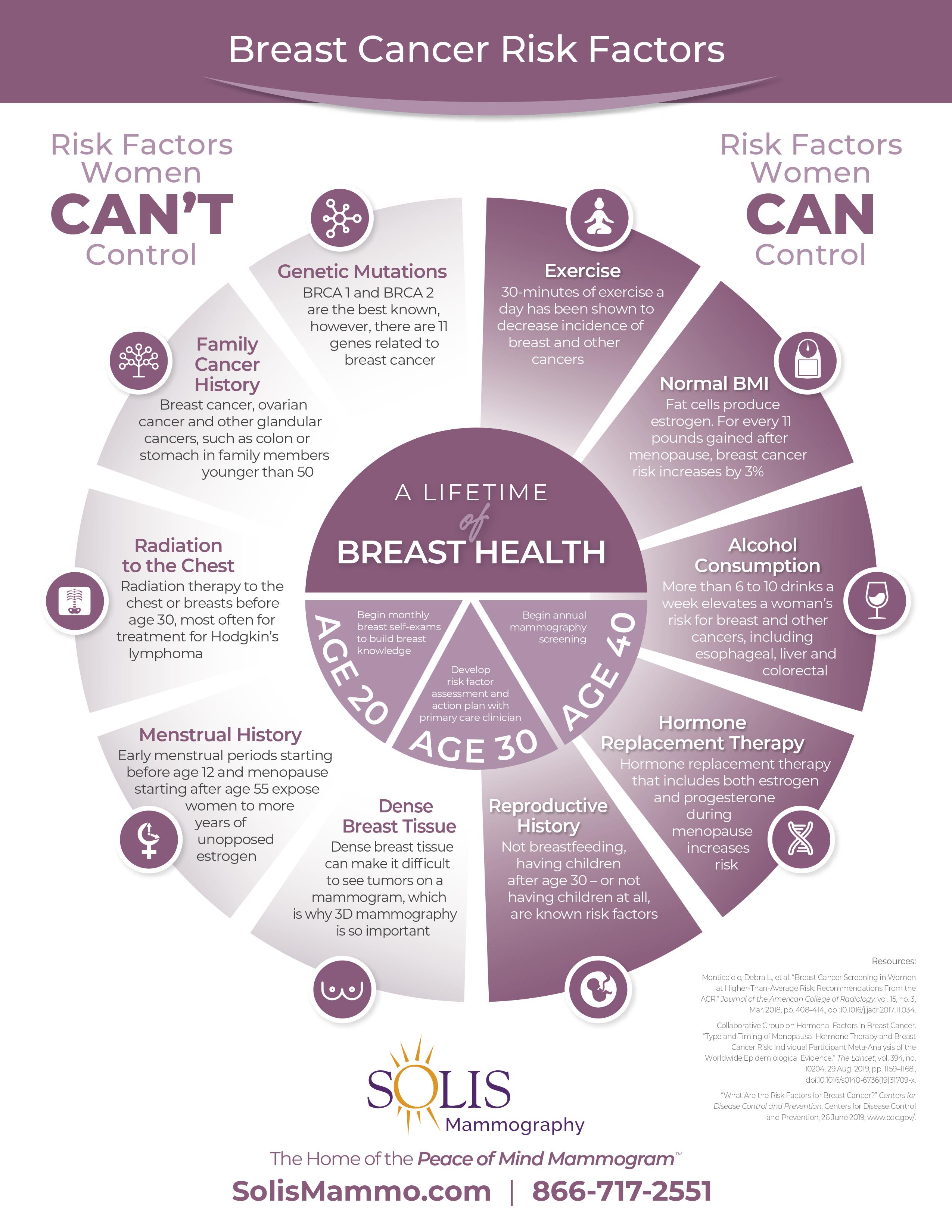
In addition to social and psychological influences, lifestyle choices continue to play a pivotal role in cancer prevention. Experts warn that certain common habits can significantly increase the risk of developing cancer. By identifying and modifying these behaviors, individuals may be able to lower their risk profile.
The combination of maintaining healthy habits, fostering strong social bonds, and prioritizing mental health creates a comprehensive approach to both the prevention and treatment of oncological diseases.
