
Russia and Ukraine Trade Accusations as Orthodox Easter Truce Collapses
A brief window of silence intended for the Orthodox Easter holiday has largely existed only on paper, as Russia and Ukraine traded accusations of ceasefire violations on Sunday, April 12, 2026. The development underscores the deep-seated distrust between the two nations and the fragility of temporary humanitarian gestures amidst the ongoing conflict.
The temporary cessation of hostilities was initiated by Russian President Vladimir Putin, who proposed a 32-hour ceasefire beginning at 4:00 p.m. On Saturday, April 11, and lasting until midnight on Sunday, April 12. While Ukrainian President Volodymyr Zelensky accepted the proposal, he cautioned that Kyiv would respond “in kind” to any Russian aggression. Despite the agreement, both nations reported that the Orthodox Easter truce was violated almost immediately.
The Ukrainian army reported a surge of activity on Sunday, April 12, citing 28 enemy assaults, 479 artillery bombardments, and 1,792 drone attacks across the front, though no missile launches were recorded. Conversely, the Russian Ministry of Defense claimed that Ukrainian forces violated the ceasefire 1,971 times since the pause began on Saturday afternoon.
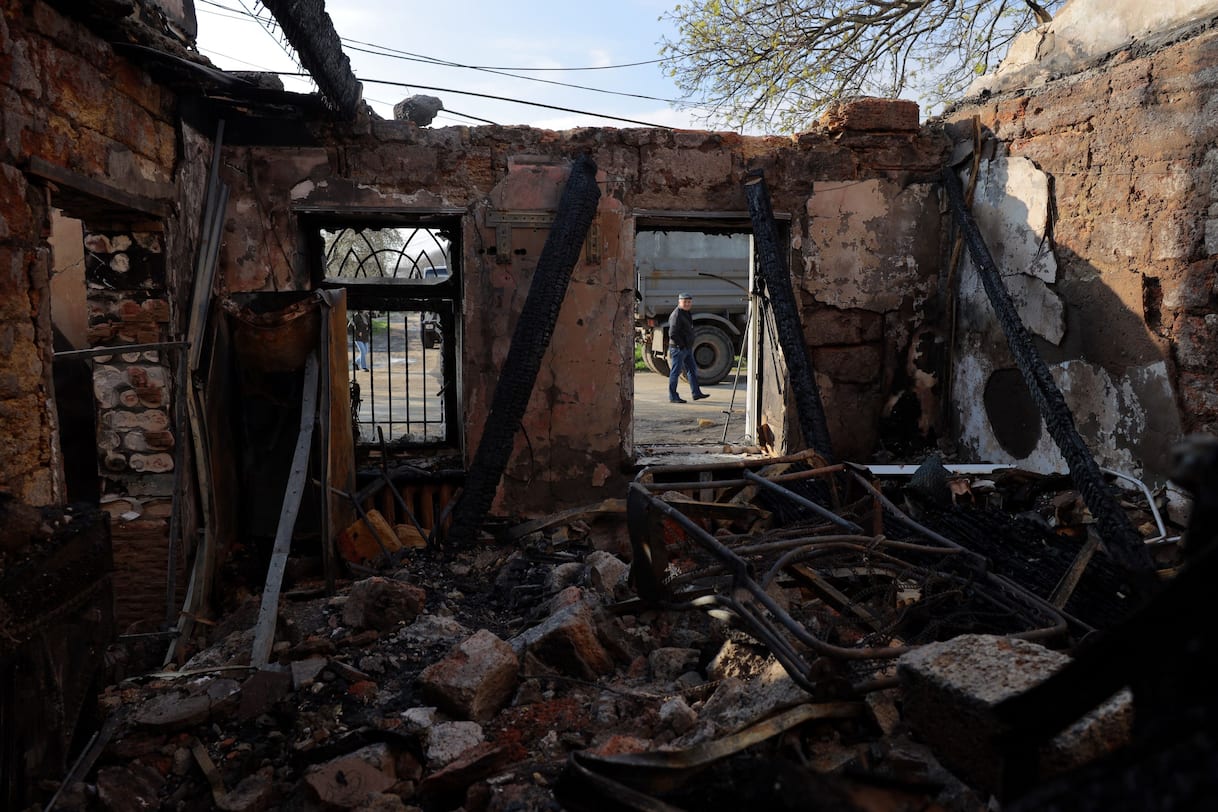
Prior to the truce, the region saw intense drone warfare. Ukrainian air force officials stated that Russia launched at least 160 drones on the night of April 11, killing four people and injuring dozens, with significant damage reported in residential areas and a kindergarten in Odesa. Russia countered that 99 Ukrainian drones were intercepted over Russian territory and occupied Crimea.
Amidst the violence, a humanitarian breakthrough occurred on Saturday, April 11, when the two nations completed an exchange of 175 prisoners of war each. The swap was facilitated through the mediation of the United Arab Emirates.
Despite this gesture, the diplomatic outlook remains grim. The Kremlin has signaled that Russia will not extend the truce unless Kyiv accepts specific Russian conditions. This stalemate follows several failed cycles of US-mediated negotiations intended to end the conflict that began with the full-scale invasion in February 2022.
While pro-Russian sources and officials continue to blame Kyiv for the failure of the peace window, religious leaders have called for reconciliation. Archbishop Shevchuk issued a video message emphasizing the victory of life over death and the hope for peace, while in Jerusalem, Patriarch Theophilos III led the traditional “Holy Fire” ceremony.
