

Viktor Orbán Concedes Defeat in Landmark Hungarian Election; Péter Magyar Set to Lead
In a result that has sent shockwaves across Europe, Hungarian Prime Minister Viktor Orbán conceded defeat on Sunday, April 12, 2026, ending his 16-year tenure as the nation’s leader. The painful election result marks a definitive shift in Hungary’s political landscape, as opposition leader Péter Magyar and his TISZA party secured a dominant victory.
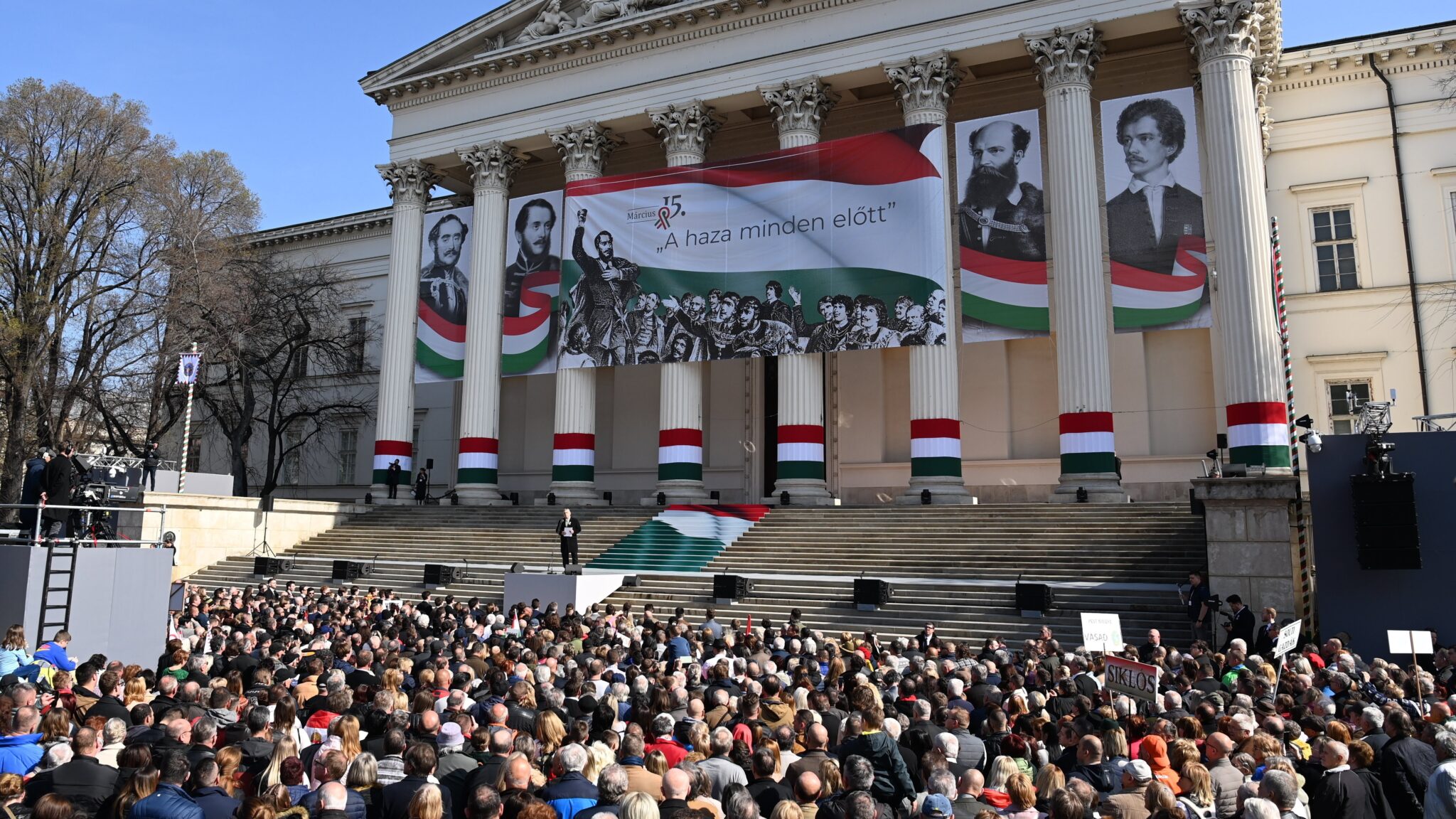
Addressing supporters in Budapest on the evening of April 12, 2026, Orbán, a longtime ally of President Trump, acknowledged the loss and stated that he had recognized the defeat of his party. “I congratulated the victorious party,” Orbán told the crowd. “We are going to serve the Hungarian nation and our homeland from opposition as well.”
The victory was spearheaded by Péter Magyar, the leader of the pro-European conservative TISZA party. Early official data, based on approximately 37% of the votes counted, showed Magyar holding a substantial 11-point lead over Orbán’s party. Magyar confirmed the transition of power in a Facebook post, noting that Orbán had congratulated him via a phone call.
Voter turnout was remarkably high, with Magyar reporting that up to 6 million citizens cast their ballots in a country of roughly 9 million people. Despite the success, Magyar remained “cautiously optimistic,” citing thousands of reports regarding election tampering.
This political upheaval follows years of international scrutiny. Since taking office in 2010, Orbán’s administration has faced accusations from European Union officials and independent watchdogs for undermining the rule of law and attacking democratic institutions. Reports from the U.K. Have previously identified Hungary as the most corrupt nation within the European Union.
The transition of power is expected to have significant repercussions across Europe, potentially altering Hungary’s diplomatic trajectory and its relationship with the EU. As the country prepares for a modern administration, reactions to the defeat continue to emerge from political allies and observers alike.
