
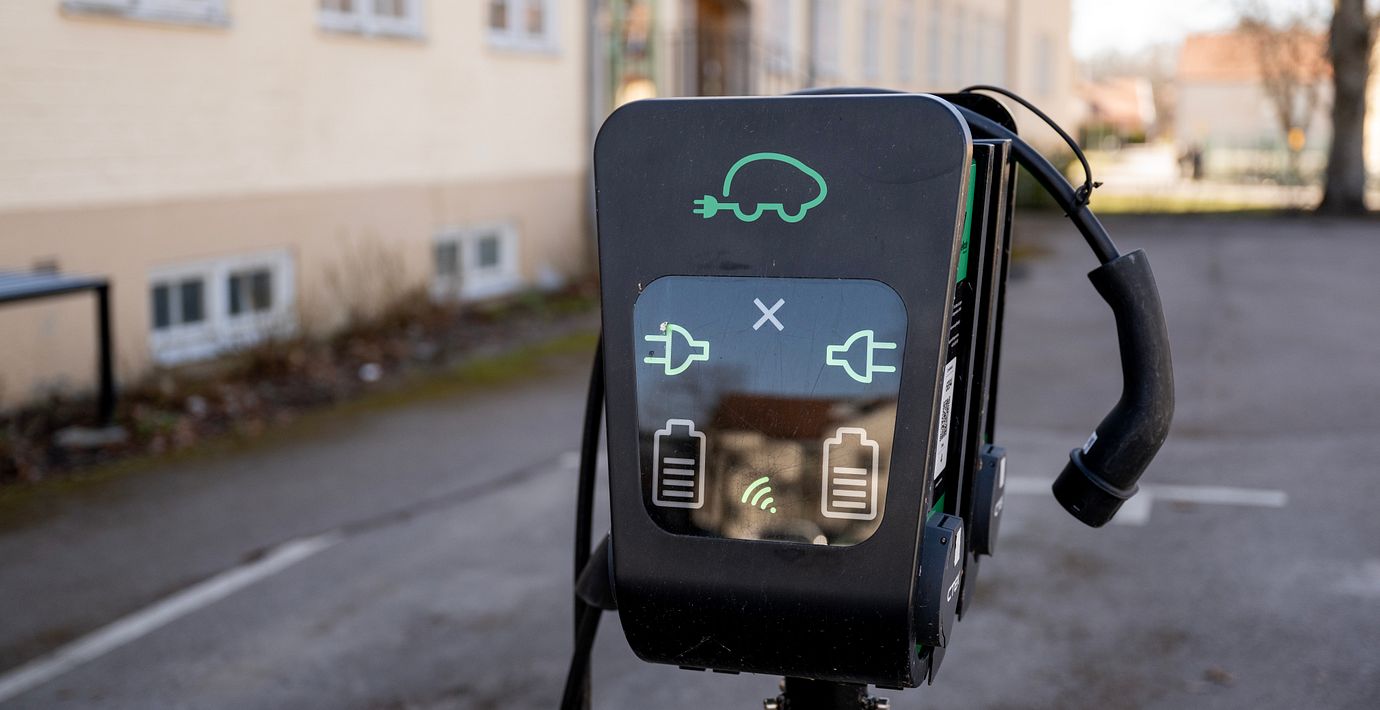
Swedish municipalities have invested heavily in electric vehicle charging infrastructure, but many of the newly installed charging stations remain unused as EV adoption has lagged behind initial projections.
Local governments across Sweden rolled out plans to build thousands of public charging points in anticipation of a rapid shift to electric transportation. However, recent reports indicate that the expected surge in EV ownership has not materialized, leaving numerous charging sites idle.
According to multiple Swedish news outlets, including SVT Nyheter and Svenska Dagbladet, charging stations in various municipalities are sitting empty despite significant public spending on their installation. The discrepancy between infrastructure rollout and actual vehicle uptake has raised questions about the timing and scale of the investments.
Officials had justified the expansion by citing national goals to phase out internal combustion engine vehicles and reduce transportation emissions. But with fewer electric cars on the road than forecasted, utilization rates at many charging locations have fallen well below expectations.
The situation has sparked debate over whether public funds should continue to support charging network expansion without stronger guarantees of demand. Some commentators have argued that private investment should play a larger role in building out charging infrastructure, particularly in areas where EV adoption remains slow.
While the long-term transition to electric vehicles is still expected to proceed, the current mismatch highlights the challenges of aligning infrastructure development with market readiness. Municipalities now face the prospect of maintaining underused assets while reassessing future investment strategies based on actual adoption trends.
