
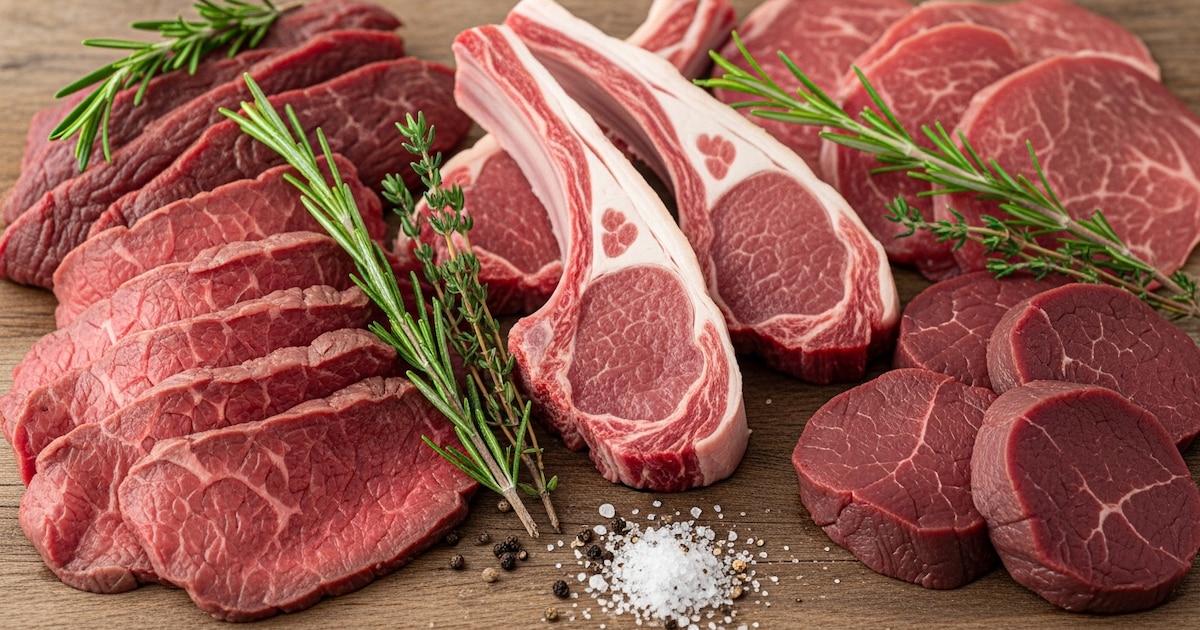
Beef consumption has long been a topic of debate in nutrition science, and recent research continues to examine its real-world impact on human health. A growing body of evidence suggests that while lean beef can be part of a balanced diet, its overall health effects depend heavily on preparation methods, portion sizes, and dietary context.
Studies have shown that regular intake of processed and high-fat red meats is associated with increased risks of cardiovascular disease, type 2 diabetes, and certain cancers, particularly colorectal cancer. These associations are often linked to compounds formed during high-temperature cooking, such as heterocyclic amines and polycyclic aromatic hydrocarbons, as well as preservatives like nitrates and nitrites found in processed varieties.
However, unprocessed lean beef, when consumed in moderation, provides essential nutrients including high-quality protein, iron, zinc, and vitamin B12 — nutrients that are especially important for individuals with increased needs, such as pregnant women, older adults, and those recovering from illness.
Researchers emphasize that the key lies in dietary patterns rather than isolating single foods. Diets rich in vegetables, fruits, whole grains, and legumes, with animal proteins like beef consumed sparingly and prepared using healthier methods such as grilling, baking, or stewing, tend to yield better long-term health outcomes.
Public health guidelines continue to recommend limiting red meat intake to no more than three servings per week, with an emphasis on choosing lean cuts and avoiding processed options. These recommendations aim to reduce chronic disease risk while ensuring adequate nutrient intake.
As dietary science evolves, experts agree that personalized nutrition — considering genetics, lifestyle, and overall diet quality — offers a more nuanced approach than blanket recommendations. For now, the consensus remains that beef can have a place in a healthy diet, but its role should be thoughtful and measured.
