
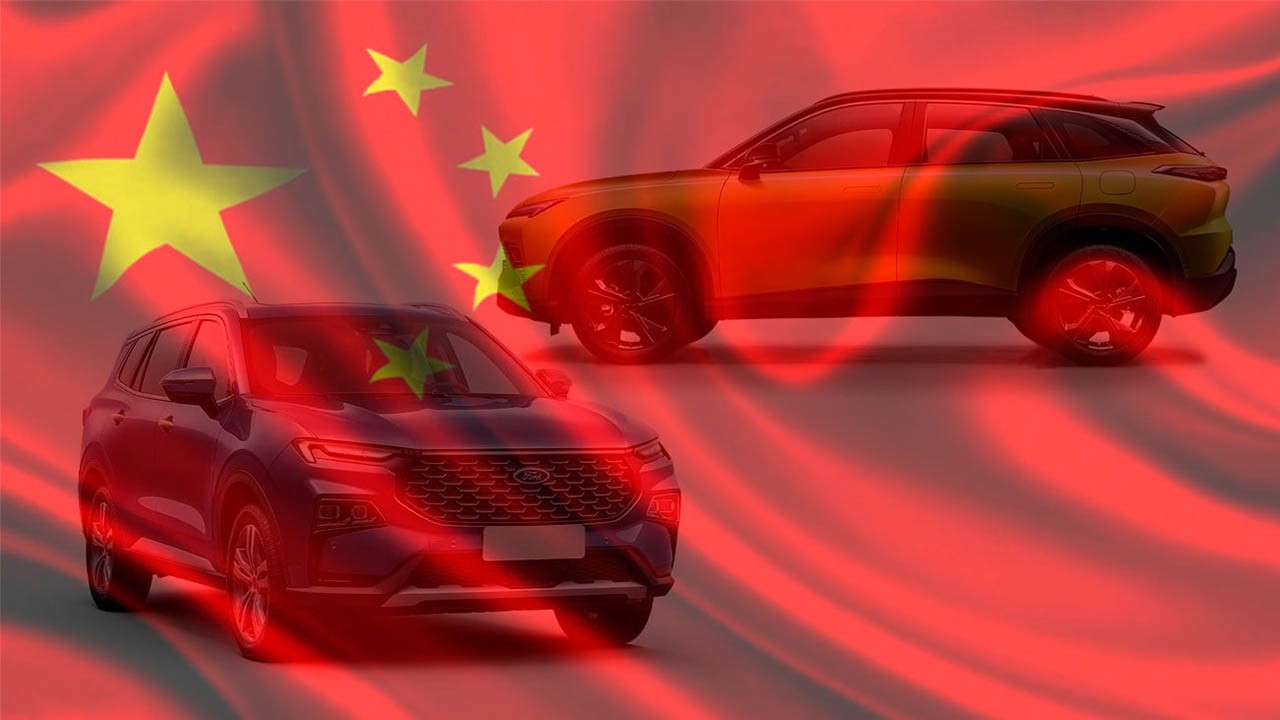
Chinese automakers are expanding rapidly in Argentina, offering 60 different car and SUV models across multiple brands, according to recent market reports. The growing presence reflects increased competition in the South American automotive sector, where buyers now have a wide range of options from established names like Toyota to emerging Chinese manufacturers. Among the Chinese brands available in Argentina are prominent names such as BYD, Chery, Geely, Great Wall Motors, and MG, each offering a variety of vehicles tailored to local demand. These include sedans, hatchbacks, and notably, a growing selection of SUVs — many of which are hybrid models priced competitively against traditional gasoline-powered rivals. One standout model highlighted in recent coverage is a hybrid SUV positioned as an affordable alternative to popular compact crossovers like the Toyota Corolla Cross. Priced accessibly and equipped with modern features, this vehicle has drawn attention for its potential to disrupt the mid-size SUV segment by combining fuel efficiency with lower upfront costs. Reports indicate that all of the ten most affordable hybrid SUVs currently sold in Argentina are manufactured by Chinese companies, underscoring the strategic focus of these automakers on electrified vehicles in price-sensitive markets. This trend aligns with broader global shifts toward hybrid and electric transportation, particularly in regions where consumers seek cost-effective alternatives to fully electric models amid charging infrastructure limitations. While Toyota continues to be seen as a reliable choice by many Argentine buyers, the rise of Chinese brands is prompting consumers to reconsider traditional loyalties. Factors such as warranty terms, after-sales service networks, and long-term resale value remain key considerations in purchasing decisions, especially as new entrants work to establish trust in the market. The influx of Chinese vehicles is too influencing pricing dynamics across segments, pressuring legacy automakers to adjust their offerings or enhance value propositions. Analysts note that the expansion is not limited to passenger cars but extends into light commercial vehicles, suggesting a deeper integration of Chinese automotive supply chains into regional markets. As Argentine consumers evaluate their options, the decision between sticking with established Japanese reliability or opting for newer Chinese entries often comes down to individual priorities — whether that’s upfront affordability, fuel economy, technology features, or brand perception. Dealerships report growing foot traffic at Chinese-brand showrooms, particularly in urban centers where younger buyers are more open to trying unfamiliar marques. Despite the momentum, challenges remain for Chinese automakers in Argentina, including navigating local regulations, building service infrastructure, and overcoming perceptions about durability. However, with strong backing from parent companies and increasing investment in local assembly or parts sourcing, several brands are laying groundwork for sustained growth. The shift underscores a broader transformation in Latin America’s auto market, where affordability, fuel efficiency, and access to modern features are driving consumer behavior. As more Chinese models enter the Argentine landscape — many backed by government incentives for low-emission vehicles in other regions — their long-term impact will depend on how well they adapt to local expectations beyond just price points.
Chinese Cars and SUVs in Argentina: Models, Prices, and Best Buys 2024
14
