
U.S. And Iranian officials have failed to reach an agreement in their latest round of negotiations, with Tehran declining to attend a second round of talks scheduled for Tuesday, according to reports from state media and financial outlets.
The breakdown comes as U.S. President Donald Trump announced he would extend the temporary ceasefire with Iran at Pakistan’s request, pending Tehran’s submission of a proposal and completion of related consultations. Trump had previously indicated he did not wish to prolong the truce and noted that U.S. Forces were prepared for military action.
Iranian state media confirmed that the country had formally rejected participation in the expected negotiations, citing ongoing U.S. Sanctions, inconsistent negotiating positions, and what it described as excessive demands from Washington.
First Vice President Mohammad Reza Aref criticized the U.S. Approach on social media, stating that restricting Iran’s oil exports while expecting other nations to ensure maritime security was untenable. He framed the choice as either a free global oil market or widespread economic risk.
The diplomatic impasse has heightened concerns over the stability of the Strait of Hormuz, a vital chokepoint through which approximately one-fifth of global oil supply passes. Both nations have maintained or reinstated naval controls in the region, raising fears of disruptions to energy shipments.
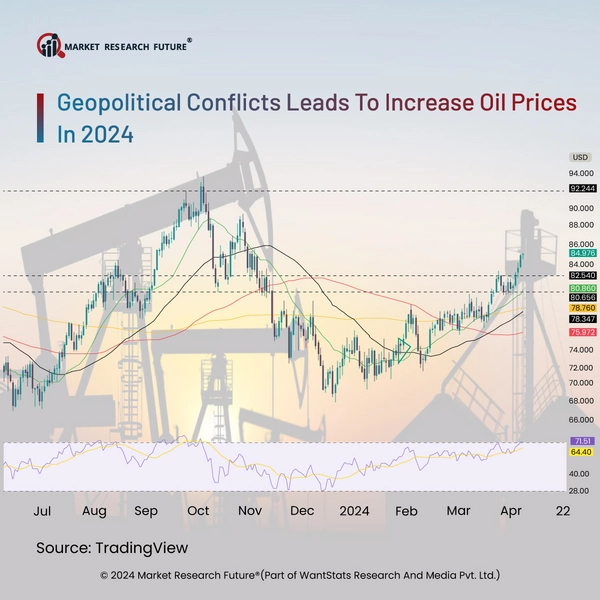
Market reactions were immediate, with Brent crude oil prices briefly surpassing $100 per barrel amid fears of supply constraints. The development underscores the sensitivity of global energy markets to geopolitical developments in the Persian Gulf.
Analysts noted that the failure to revive dialogue increases the likelihood of prolonged tension, potentially affecting shipping lanes, insurance costs, and investor sentiment across commodity and equity markets.
The situation remains fluid, with no new talks currently scheduled and both sides maintaining firm positions on core issues including sanctions relief, nuclear activities, and regional security.
