
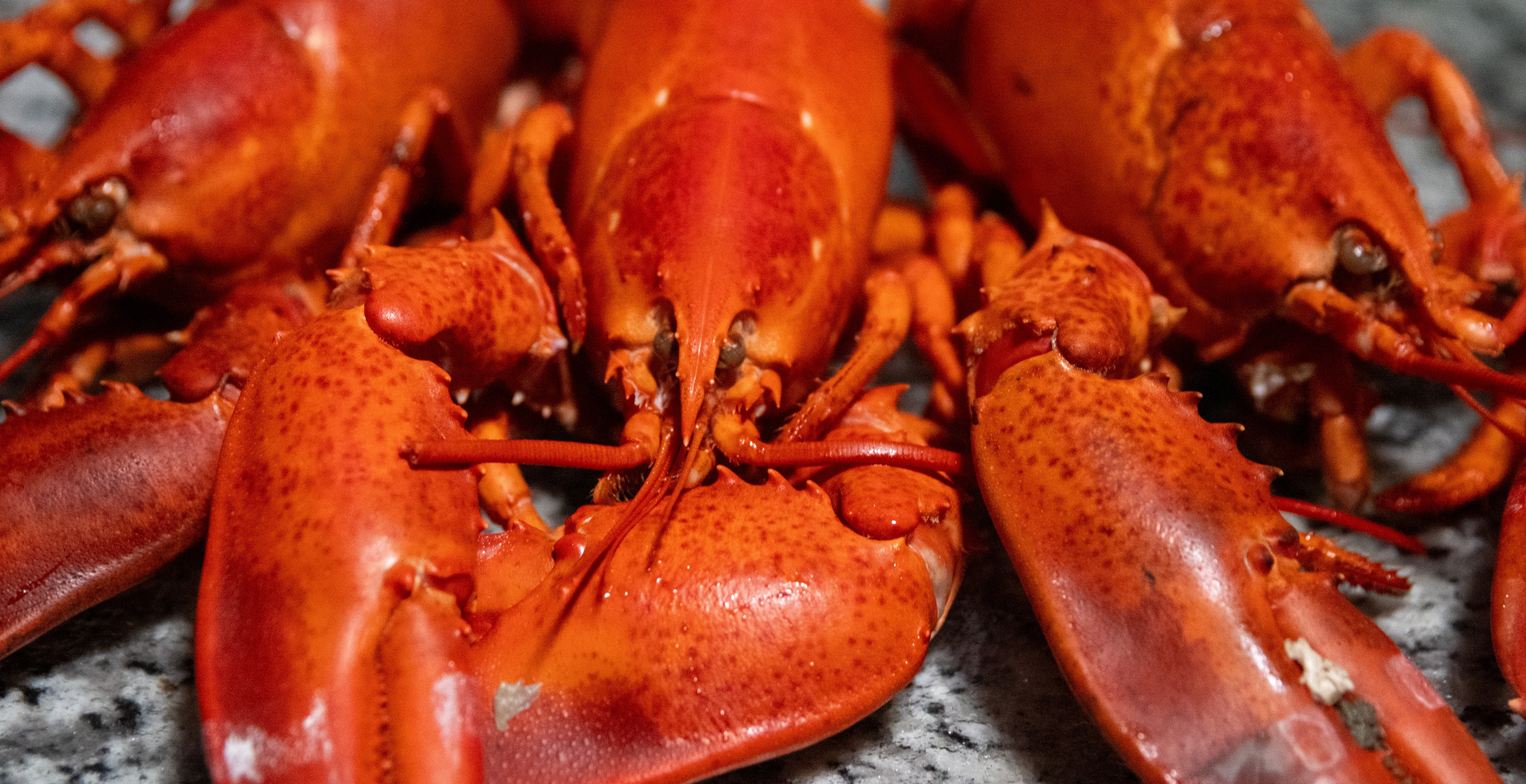
Scientists have confirmed that lobsters feel pain when boiled alive, challenging long-held assumptions in the culinary world and prompting calls to end the practice.
A study published in Scientific Reports analyzed the behavior of 105 Norwegian lobsters (Nephrops norvegicus) in response to controlled electric shocks. Researchers found that when the crustaceans were given human-use analgesics such as lidocaine and aspirin, their escape attempts decreased significantly. In the aspirin-treated group, only three of 13 lobsters showed the typical tail-flip reaction, compared to a much stronger response in untreated individuals.
According to the researchers, this demonstrates that lobsters possess nociception—the biological ability to detect harmful stimuli and process it as a painful experience—going beyond simple reflexive reactions.
The findings add to a growing body of scientific evidence suggesting that lobsters and similar crustaceans have more complex nervous systems than previously believed. Earlier assumptions that their rudimentary nervous systems prevented them from feeling pain are now being questioned.
Experts warn that because lobsters do not enter a state of shock when injured, they may experience prolonged suffering during traditional cooking methods.
Several countries, including Norway, New Zealand, and Austria, have already banned boiling lobsters alive. In the United Kingdom, lobsters are legally recognized as sentient animals.
The study has reignited ethical debates within the gastronomy industry, with scientists and animal welfare advocates urging a reevaluation of how these animals are slaughtered for food.
