
When Protection Becomes a Weapon: How Anti-Stalking Bracelets Are Being Exploited by Abusers
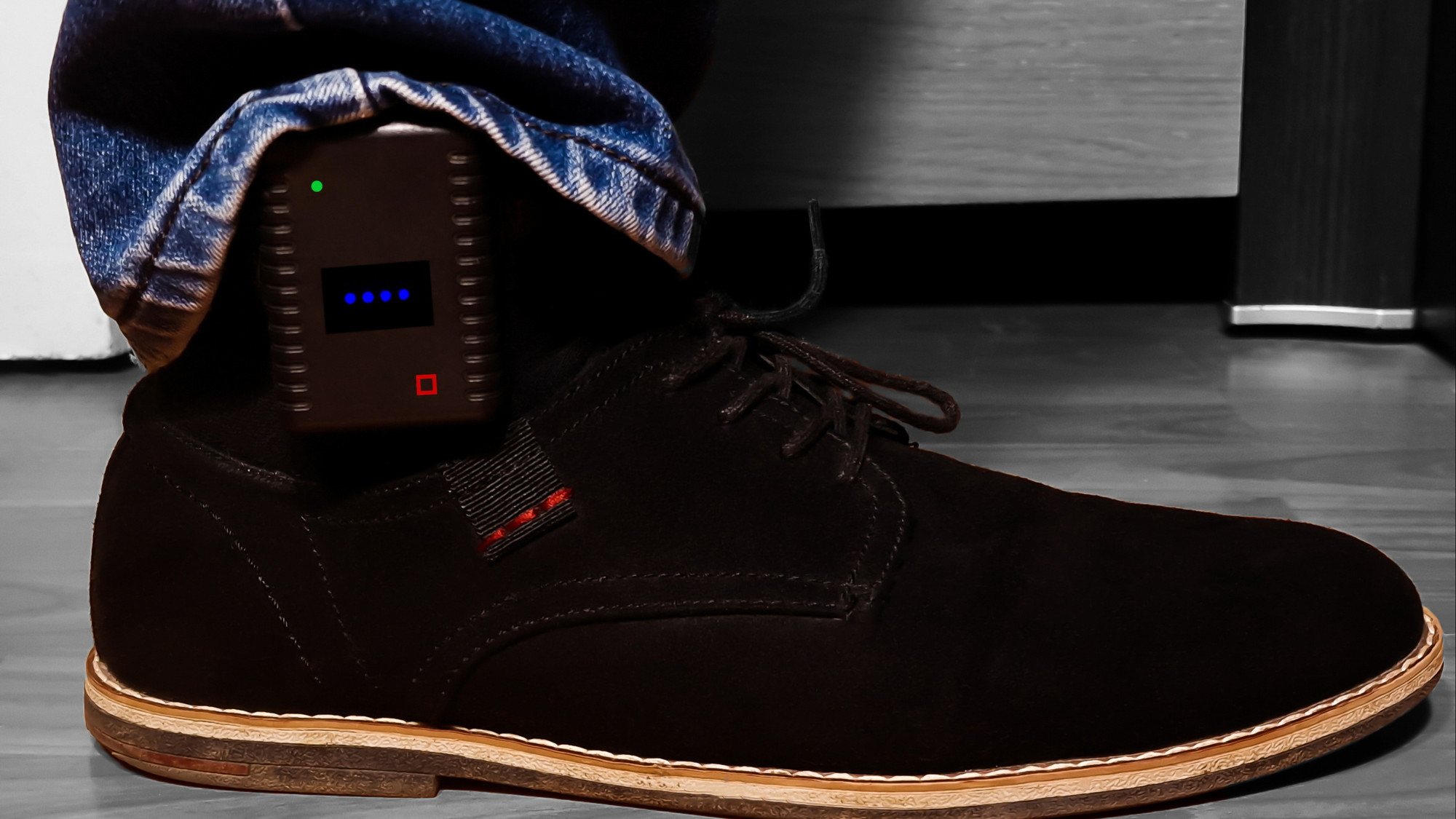
In a disturbing twist on technology designed to protect victims of domestic violence, some offenders in Quebec are turning court-ordered anti-stalking bracelets into tools of harassment. The devices, meant to enforce restraining orders by alerting authorities when an abuser gets too close, are instead being weaponized to instill fear and maintain control over former partners.

The alarming trend came to light after one offender triggered his bracelet’s alert system 93 times in just 10 weeks—not by accident, but as a calculated form of psychological torment. “We test the machine,” one abuser reportedly said, describing how he deliberately violated his restraining order to craft the alarm sound repeatedly. “We approach the victim… We create this kind of fear. We maintain control by making that alarm go off.”
The revelation has sent shockwaves through advocacy groups and law enforcement, exposing critical flaws in a system meant to safeguard survivors. While the bracelets have led to 114 incarcerations over three years for violating restraining orders and prompted 4,100 police interventions, the technology is failing in ways that position victims at even greater risk.
One of the most chilling examples involved a man prohibited from entering Quebec’s South Shore—where his ex-partner lived—who managed to bypass the bracelet’s alert system entirely. Despite being under electronic monitoring, he entered a location frequented by his former partner and forced an unwanted encounter. Neither the victim nor police were notified of the violation until it was too late.
Technical glitches have compounded the problem. In one case, a bracelet was mistakenly synced to the wrong phone number, rendering the entire system useless. Meanwhile, Quebec’s probation services have quietly reduced oversight of high-risk offenders, eliminating mandatory check-ins with victims and scaling back risk assessments for those sentenced to less than nine months. The changes, revealed in internal documents, signify abusers face less scrutiny even as they continue to pose a threat.
“It’s a system that’s supposed to protect, but right now, it’s being used against the very people it’s meant to help,” said a probation officer who spoke on condition of anonymity. The officer confirmed that follow-ups with offenders deemed high-risk for reoffending are now less frequent, leaving gaps that abusers are all too willing to exploit.
The bracelets, introduced as a high-tech solution to domestic violence, have become a grim example of how technology can backfire when safeguards fail. For victims, the constant fear of being tracked—even by a device meant to keep them safe—has turned what should be a shield into a source of terror. As one journalist investigating the issue put it: “The alarm doesn’t just sound for the abuser. It echoes in the mind of the victim long after it stops.”
With legal proceedings for violations taking up to 18 months to resolve, many victims are left in limbo, wondering if the system designed to protect them will ever deliver justice—or if it will continue to be turned against them.
For now, the bracelets remain in use, but advocates are calling for urgent reforms, including faster court processing, stricter monitoring of high-risk offenders, and better training for those managing the technology. Until then, the question lingers: When the tools meant to protect become weapons in the wrong hands, who’s really being safeguarded?
Witness full coverage on Google News
