

A sharply divided French parliamentary committee narrowly approved a controversial report Monday on the future of the country’s public broadcasting system, setting the stage for a heated political battle over media independence and government oversight.
The 30-member investigative panel voted 12-10 to adopt the findings compiled by Charles Alloncle, a lawmaker from the conservative Union for a Democratic Rally (UDR) party. The close margin—unusual for such procedural votes—reflected deep ideological splits over the report’s recommendations, which critics have blasted as politically motivated and harmful to journalistic freedom.
The vote came after months of contentious hearings featuring high-profile figures from France’s public media sector. Alloncle, a rising political figure with close ties to UDR leader Éric Ciotti, framed the report as a necessary corrective to what he described as systemic bias and financial mismanagement in state-funded broadcasting. But opposition lawmakers accused him of using the investigation as a platform to advance partisan goals.
Political Fallout Over Leaked Proposals
While the full 300-page document remains confidential until its official release, excerpts leaked to French media have sparked outrage among left-wing parties. Socialist lawmakers announced Monday they would vote against the report, calling it “dishonest, and malicious.” Far-left France Unbowed (LFI) lawmaker Aurélien Saintoul went further, labeling the findings “delusional” and vowing to abstain from the vote.
“There are some real head-scratchers in what’s been written here,” an unnamed lawmaker told reporters, describing the proposals as “completely out of touch with reality.” The leaks have fueled speculation about potential reforms, including restructuring France Télévisions and Radio France, though the report’s exact recommendations remain unconfirmed.
Alloncle pushed back against the criticism in a radio interview Tuesday, dismissing the leaks as “fake news” and expressing surprise that the report’s publication required a formal vote at all. “Here’s standard procedure,” he said, though the contentious nature of the debate suggests otherwise.
Broader Implications for French Media
The report’s approval comes at a sensitive time for France’s public broadcasters, which have faced increasing scrutiny over editorial independence and taxpayer funding. The investigation was launched amid allegations of political interference in news coverage, particularly during election cycles. While the committee’s findings are non-binding, they could influence future legislation on media regulation.
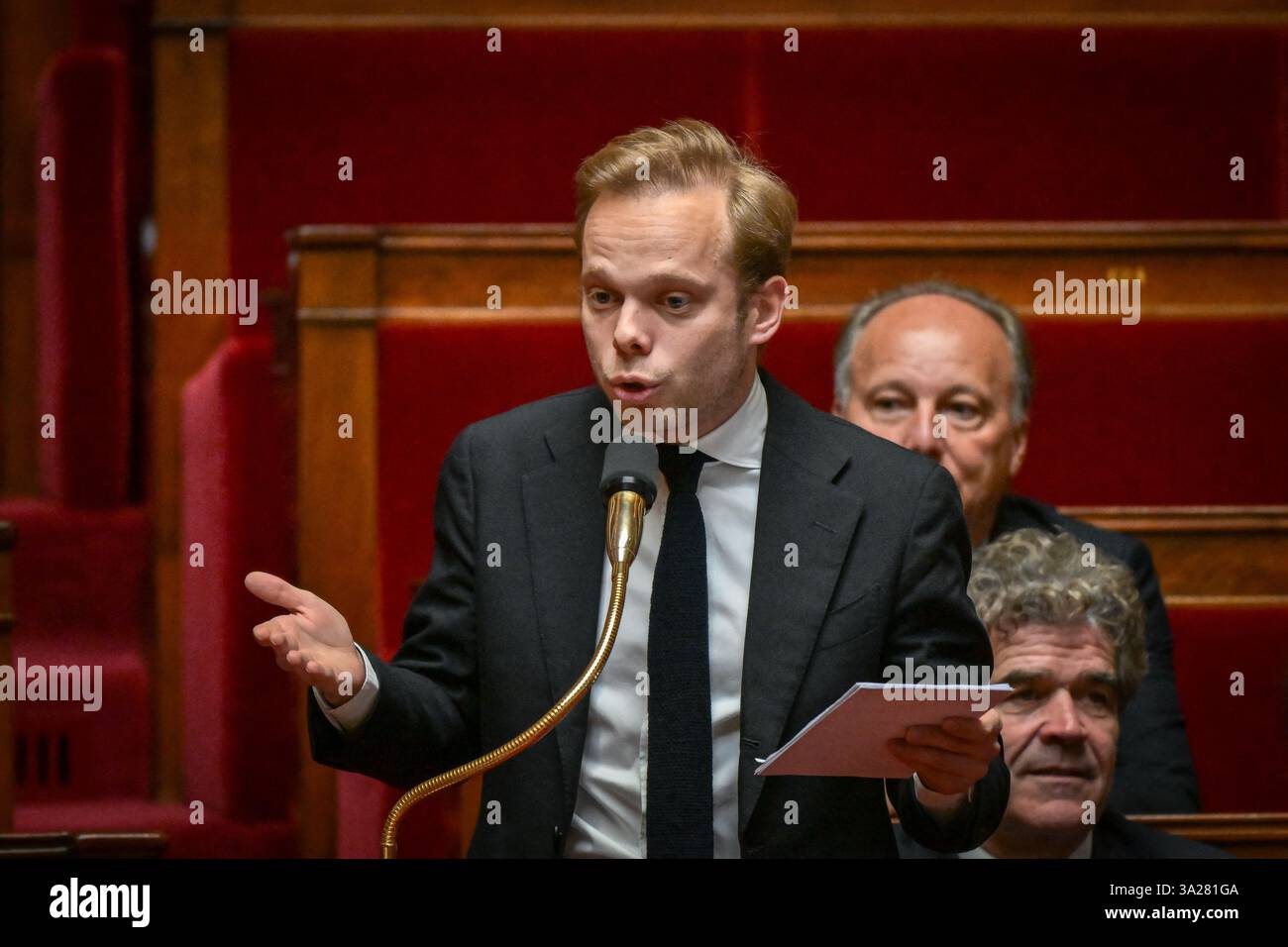
Reactions across the political spectrum have been sharply divided. Some conservative lawmakers hailed the vote as a “victory for transparency,” while left-wing parties warned it marked a “dark day for parliamentary democracy.” The debate underscores growing tensions between France’s political establishment and its public media institutions, which have long prided themselves on editorial autonomy.
The report is expected to be made public in the coming days, though its ultimate impact remains uncertain. With the French National Assembly deeply polarized, any substantive reforms based on its recommendations would likely face significant opposition in the legislative process.
