

That morning iced coffee you reach for to beat the heat could be quietly damaging your teeth—and the way you sip it might be the culprit. Dental experts warn that a common drinking habit, especially with cold or acidic beverages, is accelerating enamel erosion, leaving teeth vulnerable to decay, sensitivity, and long-term damage.
The Hidden Risk in Your Cup
Tooth enamel, the hard outer layer that protects teeth from decay, is the strongest substance in the human body—but it’s not indestructible. Acidic drinks, including iced coffee, soda, and citrus juices, can gradually wear it down, especially when consumed frequently or in a way that bathes teeth in acid for extended periods. While the temperature of the drink itself doesn’t directly erode enamel, the combination of cold and acidity can make teeth more susceptible to damage, particularly when sipped slowly over time.
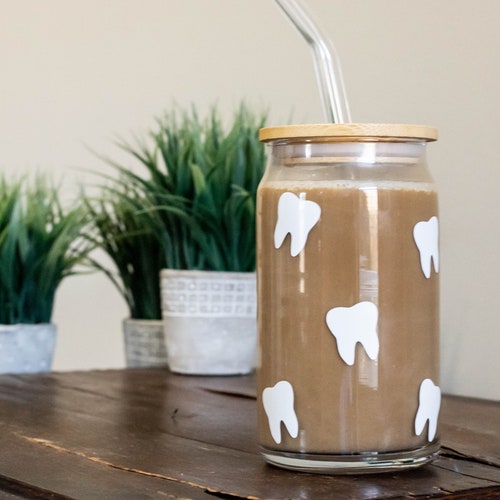

Dentists emphasize that the real danger lies in how people drink these beverages. A recent discussion among oral health professionals highlighted a widespread but often overlooked habit: using a straw positioned at the front of the mouth. When a straw is placed this way, the liquid is forced directly against the front teeth, exposing them to prolonged contact with acid. Over time, this can lead to thinning enamel, increased sensitivity to hot and cold, and a higher risk of cavities.
“The front teeth are the first to bear the brunt of acidic drinks when a straw is used incorrectly,” said one dental specialist. “Even if the drink isn’t hot, the acidity can weaken enamel over time, especially if this is a daily habit.”
Why Enamel Erosion Matters
Enamel doesn’t regenerate once it’s lost, making erosion a permanent problem. As it wears away, teeth turn into more sensitive to temperature changes, sweets, and even brushing. They as well appear yellower, as the underlying dentin—a softer, darker layer—becomes more visible. In severe cases, erosion can lead to cracks, chips, or the require for dental restorations like crowns or veneers.
The issue isn’t limited to iced coffee. Any acidic drink, including soda, energy drinks, and fruit juices, can contribute to enamel erosion when consumed frequently. Even sparkling water, often perceived as a healthier alternative, has a lower pH than plain water and can pose a risk if sipped throughout the day. However, iced coffee has become a particular concern due to its popularity, especially in warmer months when consumption spikes.
How to Protect Your Teeth
Experts recommend a few simple adjustments to minimize the risk:

- Reposition your straw: If you leverage a straw, place it toward the back of your mouth so the liquid bypasses your front teeth. This reduces direct exposure to acid.
- Rinse with water: After drinking acidic beverages, swish with plain water to aid neutralize the acid and wash it away from your teeth.
- Wait before brushing: Brushing immediately after consuming acidic drinks can actually worsen enamel damage. Wait at least 30 minutes to allow your saliva to neutralize the acid first.
- Limit sipping time: The longer your teeth are exposed to acid, the greater the risk. Try to finish your drink within a shorter timeframe rather than sipping slowly over hours.
- Use a fluoride mouthwash: Fluoride helps strengthen enamel and can provide an extra layer of protection against acid erosion.
Dentists also advise against brushing teeth immediately after waking up, as saliva production—which helps protect teeth—is lower during sleep. Waiting 30 minutes after breakfast can help preserve enamel, especially if your morning routine includes acidic drinks like orange juice or coffee.
A Growing Public Health Concern
Enamel erosion is increasingly recognized as a widespread issue, particularly among younger adults who consume more acidic beverages. A study published in the Journal of Dentistry found that nearly 30% of adults reveal signs of enamel erosion, with acidic drinks being a leading cause. While the damage may not be immediately visible, the long-term consequences—including increased dental visits and higher treatment costs—highlight the need for greater awareness.
“Many people don’t realize how much their daily habits are affecting their oral health,” said a dental researcher. “Small changes, like how you use a straw or when you brush your teeth, can make a big difference over time.”
For those who rely on iced coffee or other acidic drinks to get through the day, the message is clear: it’s not just what you drink, but how you drink it that matters. Making mindful adjustments now could save your smile—and your wallet—from costly dental work down the road.
