
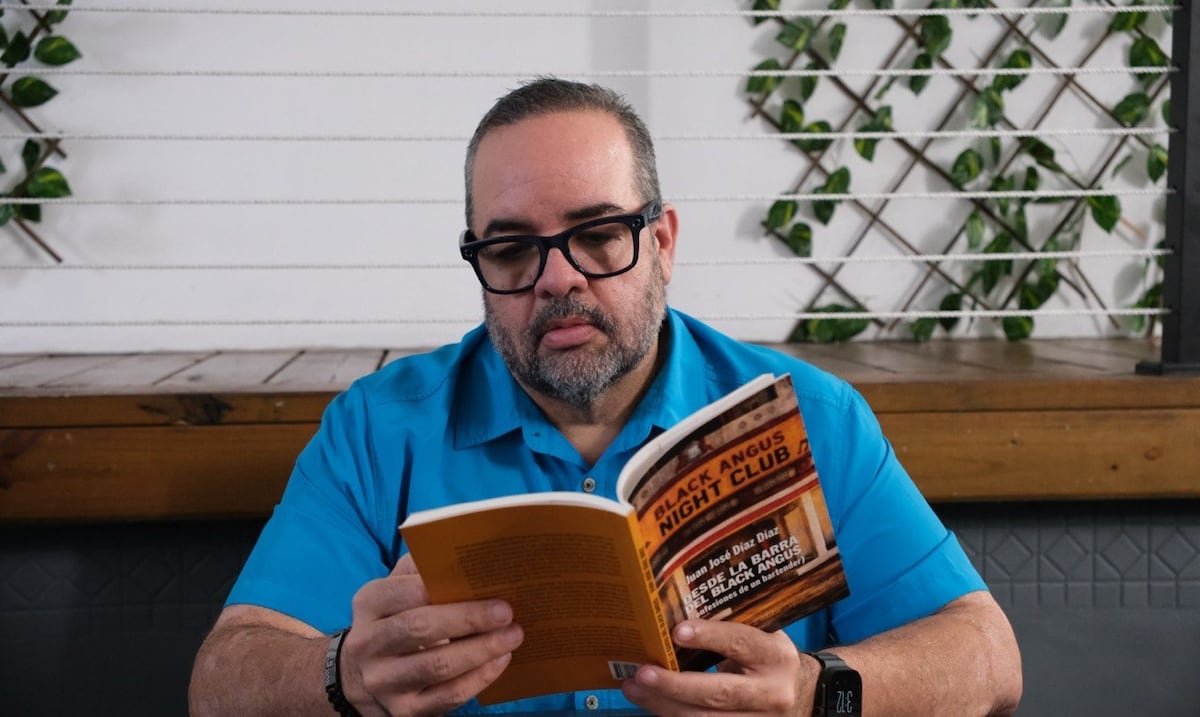
San Juan, Puerto Rico — A new book is pulling back the curtain on one of the most infamous chapters in Puerto Rico’s nightlife history: the rise and fall of Black Angus, the legendary—but controversial—nightclub that once ruled the island’s party scene. Titled “Había que ir” (Spanish for “You Had to Go”), the book dives deep into the club’s darkest secrets, from its lavish VIP culture to the scandals that eventually led to its demise.
The book, penned by an anonymous author who claims to have been a regular at Black Angus during its heyday, paints a vivid picture of the club’s golden era in the late 1990s and early 2000s. Back then, Black Angus wasn’t just a nightclub—it was a cultural phenomenon, a place where celebrities, politicians, and local elites rubbed shoulders under the cover of neon lights and thumping beats. But behind the glitz and glamour, the book reveals a world of excess, corruption, and unchecked power.
“It was the kind of place where anything could happen—and often did,” the author writes. “You went there to see and be seen, but you also went knowing that the rules didn’t apply the same way they did outside those doors.”
According to the book, Black Angus became a symbol of Puerto Rico’s nightlife at its most extravagant—and its most problematic. The club’s VIP sections were notorious for hosting high-profile figures, some of whom were allegedly involved in illegal activities that were quietly swept under the rug. The book details how the club’s management turned a blind eye to drug use, underage drinking, and even allegations of sexual misconduct, all in the name of maintaining its exclusive reputation.
One of the most explosive claims in the book involves the club’s alleged ties to organized crime. The author suggests that Black Angus served as a meeting ground for figures with questionable connections, though no concrete evidence is presented to support these assertions. Still, the mere suggestion has reignited public fascination with the club’s sordid past.
Black Angus officially closed its doors in 2005 after a series of legal troubles, including raids by local authorities and mounting pressure from community groups. The book argues that the club’s downfall was inevitable, given its culture of impunity. “It was a house of cards,” the author writes. “Eventually, the whole thing had to arrive crashing down.”
For many Puerto Ricans, Black Angus remains a complicated piece of the island’s cultural memory. Some remember it as a place of unforgettable nights and wild stories, while others see it as a cautionary tale about the dangers of unchecked privilege. “Había que ir” doesn’t shy away from either perspective, offering a raw, unfiltered seem at a chapter of Puerto Rican nightlife that many would rather forget—but can’t seem to stop talking about.
The book’s release comes at a time when Puerto Rico’s entertainment scene is experiencing a renaissance, with new venues and artists emerging as major players in the Latin music and nightlife industries. Yet, the shadow of Black Angus looms large, serving as a reminder of how quickly fame can turn to infamy—and how the past always finds a way to resurface.
For those who lived through the era, “Había que ir” is more than just a book—it’s a time capsule of a moment when Puerto Rico’s nightlife was at its most electric, and its most dangerous. Whether you see it as a celebration or a warning, one thing is clear: Black Angus was a place you *had* to go—even if you didn’t want to remember what happened there.
