

In a move to curb the spread of mosquito-borne illnesses, Canadian health officials have launched a drone-based larvicide spraying program in Trois-Rivières, Quebec, marking one of the first large-scale uses of unmanned aerial vehicles for vector control in North America.
The initiative, which began this week, targets mosquito larvae in standing water before they mature into biting adults—a critical step in preventing diseases like West Nile virus and Eastern Equine Encephalitis, which can have severe health consequences, particularly for vulnerable populations.
Why Drones Are Being Used for Mosquito Control
Traditional larvicide application methods—such as ground-based spraying or helicopter dispersal—can be time-consuming, costly, and limited by terrain. Drones offer a more precise and efficient alternative, allowing health teams to target hard-to-reach areas like wetlands, storm drains, and dense vegetation where mosquitoes thrive.
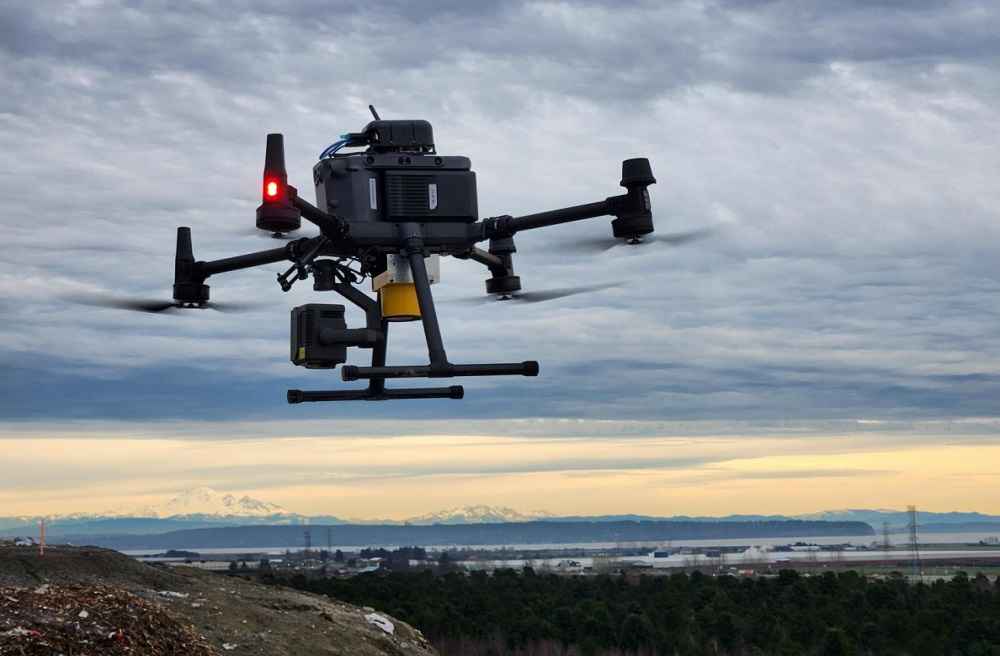
“This technology allows us to cover large areas quickly while minimizing environmental impact,” said a spokesperson for the Trois-Rivières public health department. The drones, equipped with specialized spray systems, can navigate tight spaces and adjust dispersal patterns based on real-time data, reducing the risk of overapplication.
Regulatory Approval and Safety Measures
The program operates under strict guidelines set by Health Canada’s Pest Management Regulatory Agency (PMRA), which classifies drones as aircraft when used for pesticide application. Operators must follow federal aviation regulations, including flight altitude limits, no-spray zones near sensitive ecosystems, and mandatory training for pilots.
Larvicides used in the program are approved for public health use and pose minimal risk to humans, pets, and non-target species when applied correctly. The active ingredients—such as Bacillus thuringiensis israelensis (Bti), a naturally occurring soil bacterium—specifically target mosquito and black fly larvae without harming other wildlife.
Public Health Implications
Mosquito-borne diseases remain a persistent threat in many regions, with climate change expanding the habitats of disease-carrying species. The U.S. Centers for Disease Control and Prevention (CDC) has reported a rise in West Nile virus cases in recent years, particularly in the northern U.S. And Canada, where warmer temperatures and increased rainfall create ideal breeding conditions.
By intervening early in the mosquito life cycle, larvicide programs can significantly reduce adult populations before they grow a nuisance or a health hazard. Trois-Rivières’ drone initiative could serve as a model for other municipalities facing similar challenges, offering a scalable solution for urban and rural areas alike.
“Preventing mosquito proliferation at the larval stage is one of the most effective strategies we have,” noted a public health expert. “Innovations like drone-based application craft these efforts more accessible, and sustainable.”
What Residents Need to Know
The spraying program is expected to continue through late spring and early summer, with targeted areas including parks, wooded zones, and areas with standing water. Residents are advised to:

- Remove standing water from properties (e.g., flower pots, gutters, bird baths) to eliminate breeding sites.
- Stay indoors during scheduled drone operations, though health officials emphasize that the larvicides used are low-risk.
- Report unusually high mosquito activity to local health authorities.
While the program focuses on prevention, health officials urge the public to remain vigilant about personal protection, such as using EPA-approved insect repellents and wearing long sleeves during peak mosquito hours.
As climate patterns shift and mosquito seasons lengthen, adaptive strategies like drone-based larvicide application may become a cornerstone of public health efforts to mitigate disease risks. For now, Trois-Rivières’ pilot program offers a glimpse into the future of vector control—one where technology and prevention intersect to protect communities.
