
Global Oil Markets Brace for $150 Barrel as Hormuz Blockade Threats Mount
Global energy markets are facing a period of extreme volatility as oil prices trend toward $150 per barrel. This surge comes as market participants acknowledge the collapse of expectations for a swift diplomatic resolution to the ongoing conflict in the Middle East, signaling an end to “peace illusions” for the region.
A primary driver of this instability is the potential for a severe disruption of global energy supplies. Donald Trump has threatened to block the Strait of Hormuz for “months,” a move that would create a critical bottleneck for oil exports. The prospect of a prolonged blockade has triggered significant concern in Europe, with France expressing alarm over the possibility of a long-term crisis that could destabilize global trade.
The economic implications of such a blockade extend beyond crude oil prices. Market analysts warn that a closure of the Strait of Hormuz would have cascading effects on several key sectors, specifically impacting air transport, fuel supplies and the production of fertilizers. These dependencies underscore the systemic risk that regional geopolitical instability poses to global food security and logistics.
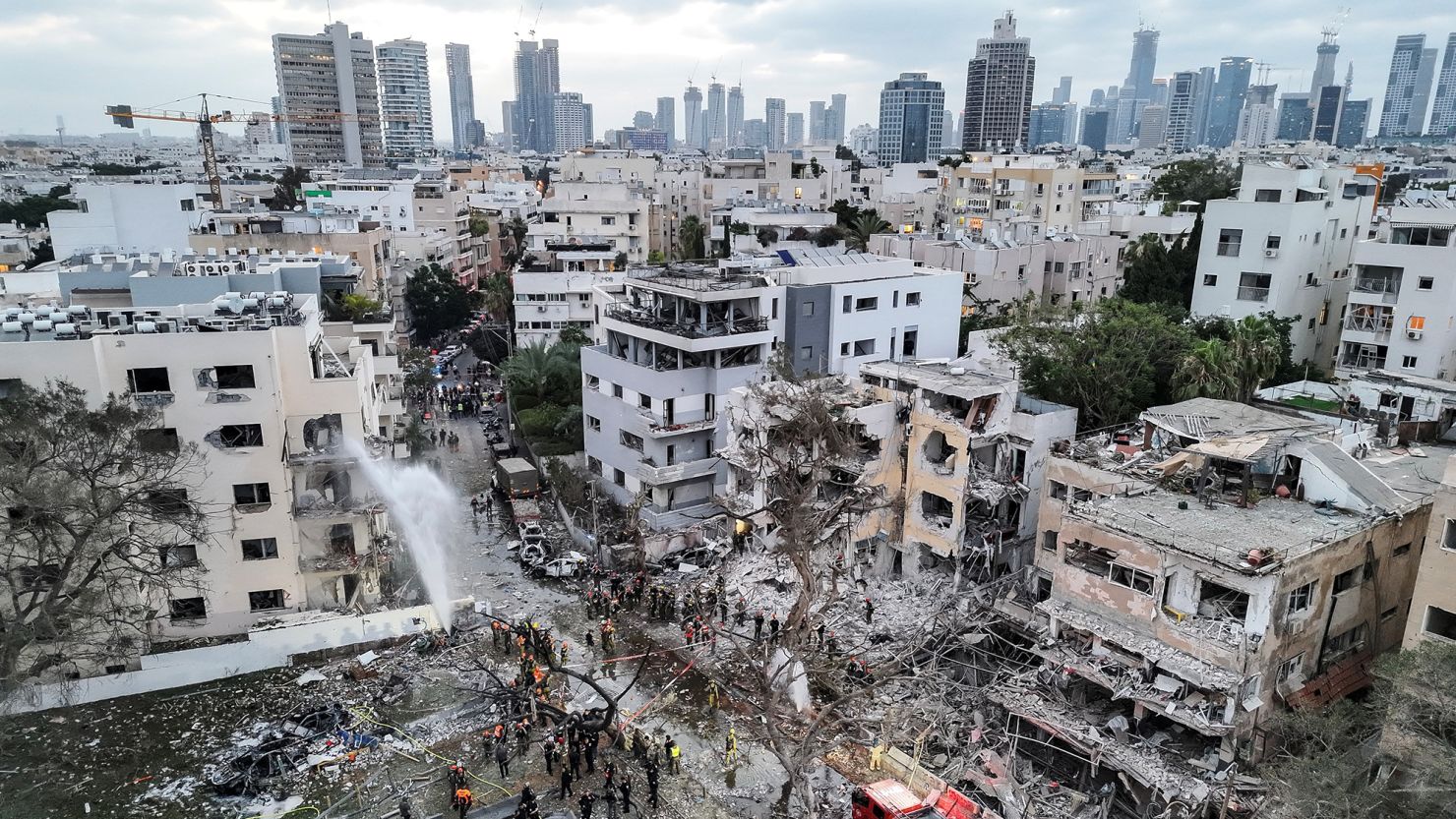
Internally, Iran appears to be struggling under the weight of its own resource dependency. Reports suggest the nation is increasingly trapped by its own oil, with the timeline for economic stability narrowing. Current assessments indicate that the window for resolution is “more a question of weeks than of days,” suggesting a precarious financial position for Tehran.
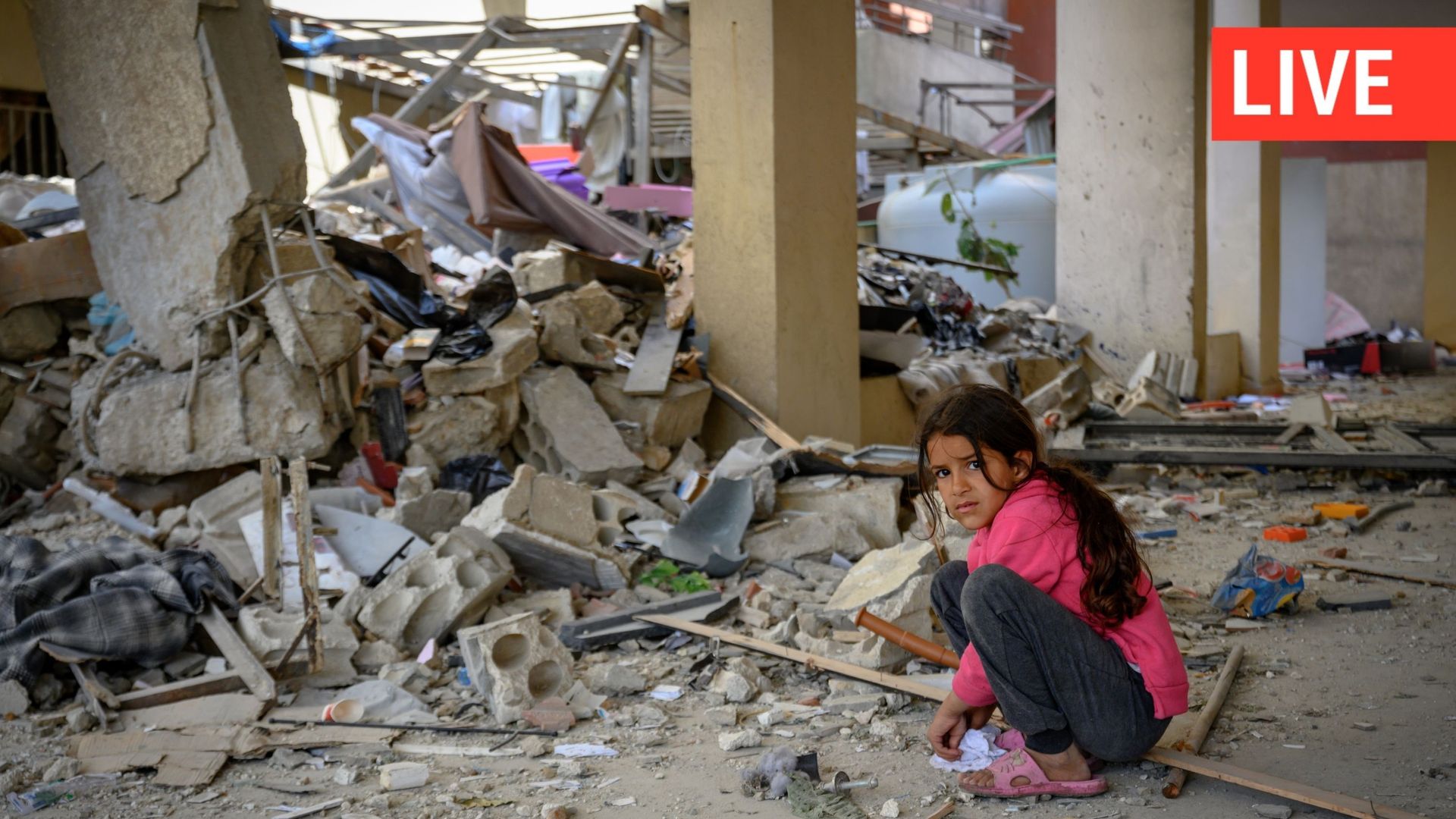
This economic tension is unfolding against a backdrop of escalating military action. Recent Israeli strikes in southern Lebanon have left nine people dead, further heightening the risk of wider regional contagion.
The convergence of military escalation and the threat to vital maritime arteries has left the oil market in a state of high alert. As the possibility of a multi-month blockade looms, investors are pricing in a scenario of prolonged supply shortages, pushing the barrel toward the $150 threshold. This volatility highlights the ongoing sensitivity of global markets to geopolitical flashpoints in the Middle East.
