
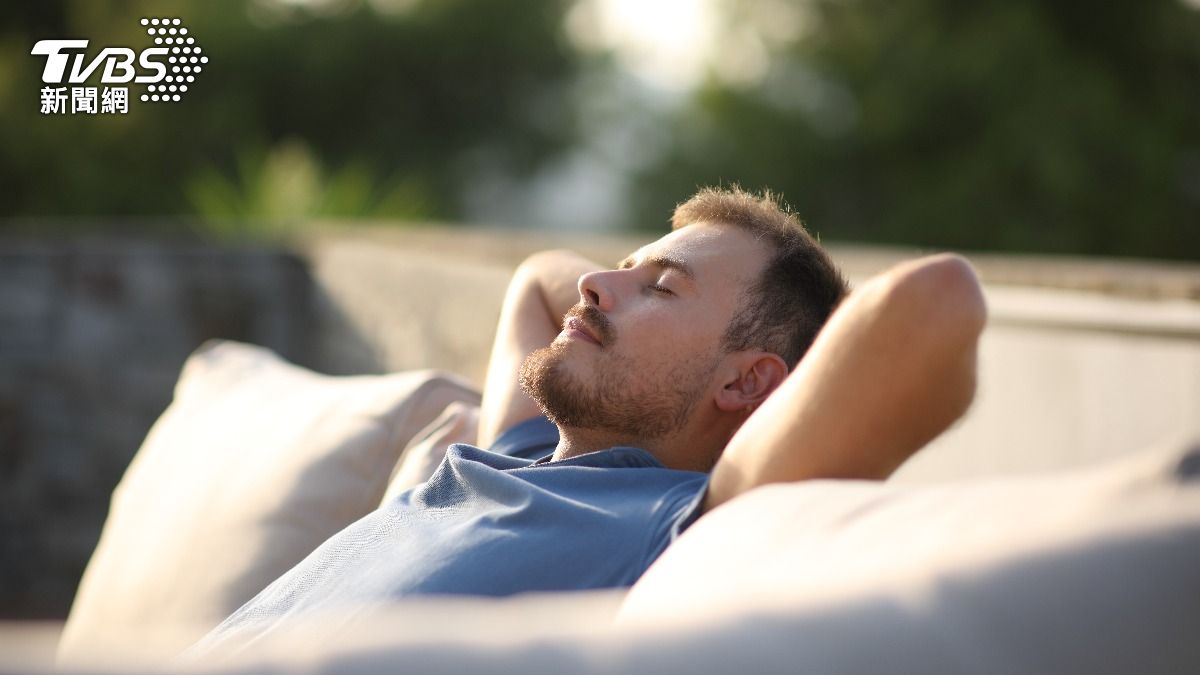
Exposure to natural sunlight is more than just a way to boost vitamin D; it is a critical tool for regulating sleep and stabilizing mental health. According to Dr. Chen Yu-hsin, an attending physician in the Neurology Department at the Hsinchu Branch of National Taiwan University Hospital, strategic sun exposure can significantly improve both physical and psychological well-being for those who spend the majority of their time indoors.
The Science of Sunlight: Three Primary Health Benefits
Dr. Chen highlights three core advantages of moderate and correct sun exposure, noting that it serves as a natural regulator for the body’s internal systems.
1. Improving Sleep Quality
The body’s circadian rhythm is managed by the suprachiasmatic nucleus within the hypothalamus of the brain. When the body is stimulated by sunlight during the day, signals are sent to the pineal gland to regulate the secretion of melatonin. This process ensures that the body can transition more easily into sleep at night, promoting consistent and restful slumber.
2. Mitigating Depressive Symptoms
A lack of sunlight is often linked to the onset of insomnia and depression, particularly during winter months. Sunlight helps inhibit the reuptake of serotonin by cerebral nerve cell synapses. Citing research from the American Journal of Psychiatry, Dr. Chen noted that exposure to light during midday can alleviate symptoms of depression and help maintain overall daily functioning.
3. Vitamin D Synthesis and Systemic Health
Referencing the eighth edition of the Dietary Reference Intakes for Taiwanese, Dr. Chen explained that vitamin D is linked to immune function and the management of conditions such as diabetes, cardiovascular disease, cancer, asthma, and sarcopenia. Within the realm of neurology, vitamin D contributes to:
- The suppression of inflammation, which can lead to improved pain management.
- Emotional stability and the reduction of anxiety and depression.
- Enhanced cognitive function, with particularly notable effects in elderly populations.
Research indicates that supplementing with at least 2,000 IU of vitamin D daily for eight weeks or more can improve symptoms of anxiety and depression. Dr. Chen suggests that individuals concerned about their vitamin D levels can consult family medicine or neurology clinics, though she noted that these tests are typically out-of-pocket expenses and not covered by national health insurance.
Guidelines for Safe and Effective Sun Exposure
To maximize health benefits while avoiding heatstroke and skin damage, Dr. Chen recommends the following five strategies:
Optimal Timing: The best windows for sun exposure are around 10:00 a.m. And between 3:00 p.m. And 4:00 p.m. To prevent heatstroke, it is advised to avoid the intense sun between 11:00 a.m. And 1:00 p.m. While UVB wavelengths peak between 10:00 a.m. And 3:00 p.m. (with 280nm being the most effective), this window also carries the highest risk of sunburn, skin redness, and dehydration.
Duration and Activity: Spending 15 to 30 minutes in the sun is generally sufficient. Combining this time with aerobic exercise can further enhance the synthesis of vitamin D.
Target Areas: To effectively absorb UVB rays, the arms, legs, and back are the most efficient areas for absorption. This is most effective when not using sunscreen or wearing hats that block the light.
The Glass Barrier: glass blocks UVB rays; sitting behind a window does not provide the same health benefits as being outdoors.
The Crown Point: Citing traditional Chinese medicine, which views the head as the primary source of “yang” energy, Dr. Chen suggests allowing sunlight to hit the Baihui point (the crown of the head) to invigorate the body’s energy. For elderly individuals who are sedentary, this time can be used to practice standing exercises to improve leg strength.
Advanced Wellness Techniques
For those looking to enhance the effects of their sun exposure, Dr. Chen suggests integrating movement into their routine:
- Active Stepping: Marching in place while basking in the sun can train balance and proprioception, reducing the risk of dizziness and falls. She recommends using a support or having a companion present for safety when starting.
- Simplified Tai Chi: Once comfortable, individuals can integrate breathing exercises—inhaling while stretching arms upward and exhaling while bending forward and extending the arms. This simplified version of Tai Chi helps circulate blood and energy, leaving the individual feeling more refreshed.
These findings underscore the importance of integrating nature into daily health routines to combat the sedentary lifestyle of the modern era.
