
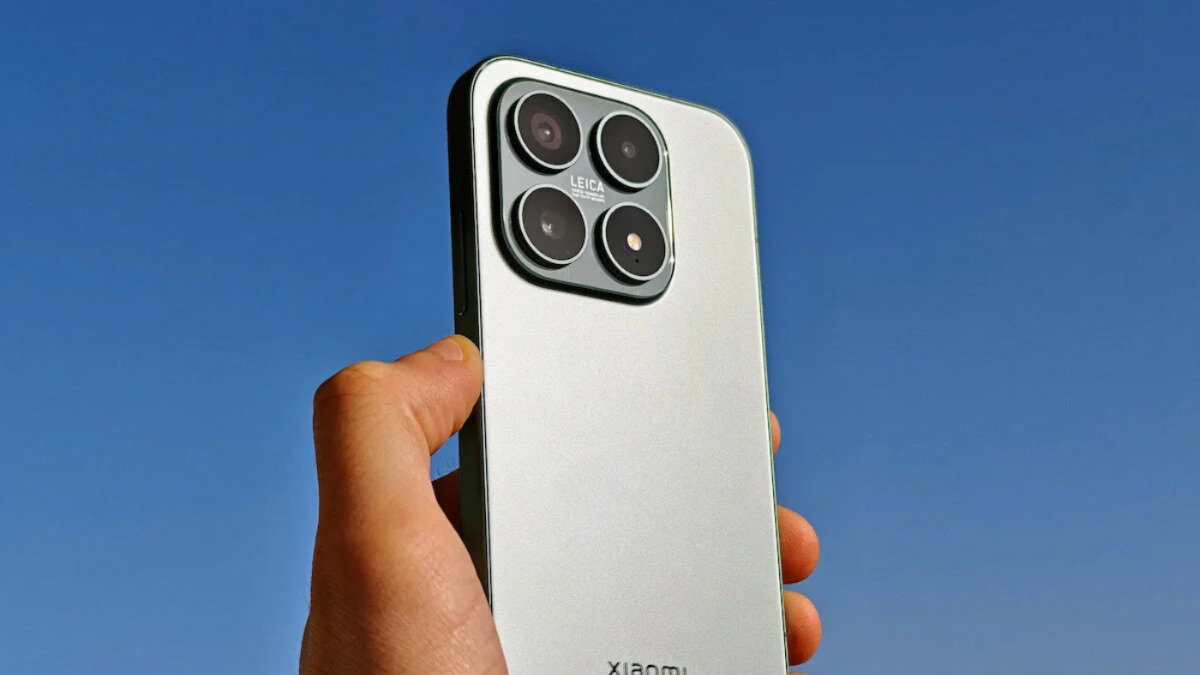
The Digital Swiss Army Knife: How Smartphones Rendered These 7 Everyday Objects Obsolete
The modern smartphone has evolved far beyond its original purpose of voice communication, effectively consolidating a vast array of standalone gadgets into a single, handheld interface. This convergence of hardware and software has streamlined daily routines and fundamentally altered the consumer electronics landscape, reducing the need for multiple physical devices.
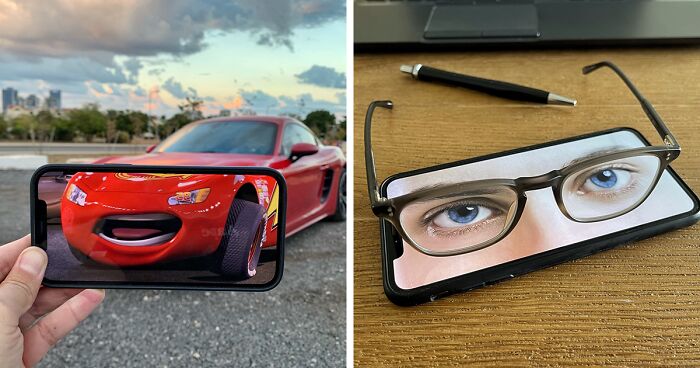
This shift toward device convergence highlights the industry’s focus on efficiency and the reduction of physical clutter in the digital age, as users increasingly rely on a single ecosystem for their daily utility needs.
The End of Standalone Utilities
Several traditional tools that were once staples of the home or office have been almost entirely absorbed by mobile operating systems. The calculator, once a dedicated piece of hardware for students and professionals, is now an instant-access app capable of both basic and complex mathematics.
Similarly, the flashlight has transitioned from a separate battery-powered tool to a software-controlled function of the phone’s LED flash, providing immediate illumination in a compact form.
Revolutionizing Navigation and Media
The impact on media and navigation has been perhaps the most disruptive. The traditional camera—specifically point-and-shoot models—has been largely replaced by high-resolution mobile sensors that allow for instant capture and digital sharing.
Navigation has seen a similar transformation. Maps and GPS devices, and the paper maps that preceded them, have been superseded by real-time satellite navigation, which provides live traffic updates and precise routing.
Audio consumption has also shifted; the music player and radio have been integrated into the smartphone, allowing users to access streaming services and broadcasts without needing a dedicated MP3 player or physical radio set.
Digital Organization and Time Management
The way users manage their time and schedules has also moved entirely to the screen. The bedside alarm clock has been replaced by integrated clock apps with customizable alerts, making the dedicated alarm clock a rarity in many households.
the calendar and notes—once the domain of paper planners and notebooks—are now digital hubs. These tools allow for synchronized scheduling and instant note-taking, ensuring that organization is portable and searchable.
The integration of these essential tools signals a broader trend in technology toward creating all-in-one ecosystems that capture more of the user’s daily activity, further cementing the smartphone as the primary gateway to the digital world.
