
The Hidden Key to Longevity: Why Scientists Are Reevaluating the Thymus Gland
For decades, the medical community largely viewed the thymus gland as a temporary tool—an organ essential during childhood that effectively became obsolete after puberty. However, emerging research is challenging this long-held assumption, suggesting that this compact gland may actually hold a critical key to human longevity and the prevention of age-related diseases.
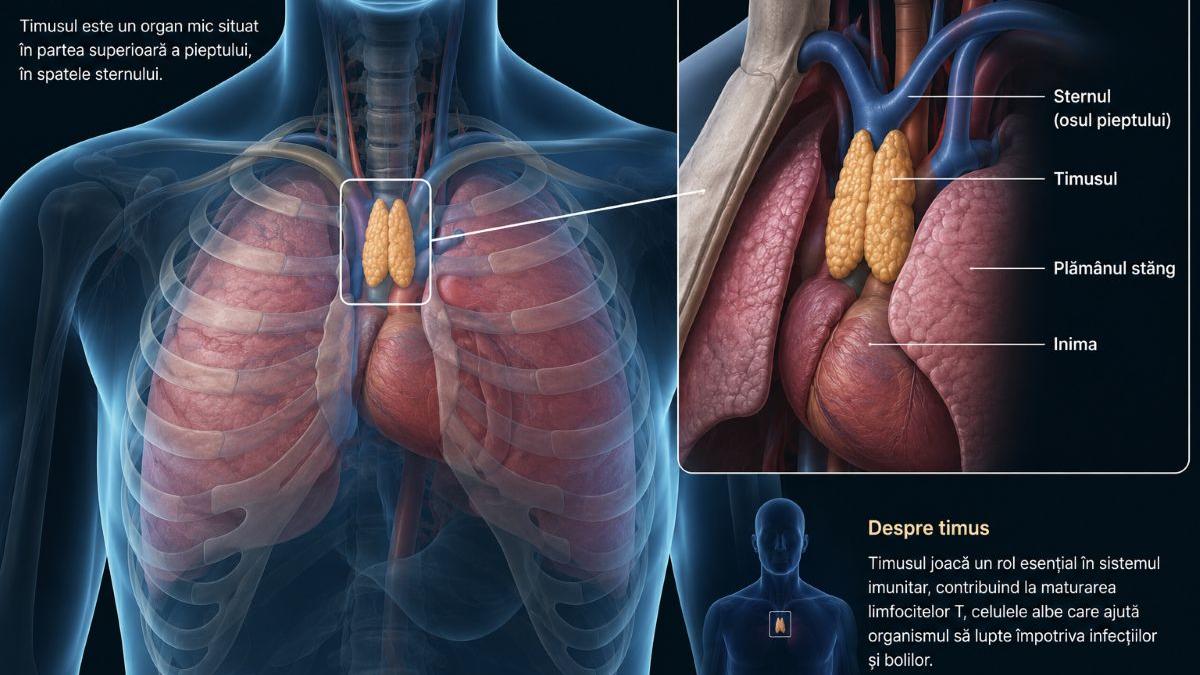
Located in the upper chest, the thymus serves as the primary training ground for T-cells, the specialized white blood cells responsible for identifying and attacking pathogens and malignant cells. While it is well-known that the thymus undergoes “involution”—a process of shrinking and being replaced by fat as a person ages—researchers now believe that the gland’s continued activity is far more important than previously understood.
According to recent findings, the thymus is not “useless” after the teenage years. Instead, its ability to continue producing functional T-cells into adulthood and old age is closely linked to a person’s overall lifespan. The thymus is now being recognized as a central player in longevity, with its health directly impacting how the body maintains its defenses over time.
The shift in medical perspective is particularly significant regarding the risk of cancer. Because the thymus is responsible for “educating” the immune system to distinguish between the body’s own healthy cells and foreign threats, a decline in its function can leave the body vulnerable. Experts note that a more active thymus in older adults is associated with a stronger immune response, which is vital for detecting and eliminating cancerous cells before they can form tumors.
This realization underscores a growing understanding of how the immune system evolves. An organ that was once neglected may play a major role in determining life expectancy, as the rate of thymic atrophy can serve as a biological marker for aging.
For those over the age of 20, the thymus often fades into the background of medical discussions, yet it remains a cornerstone of systemic health. Maintaining the function of this often-ignored organ can help prolong life and bolster immunity, potentially offering new pathways for treating immunodeficiency in the elderly.
Medical professionals are now reconsidering the link between the thymus, longevity, and the body’s ability to fight chronic diseases. Doctors have shifted their views on the thymus, acknowledging that its decline is not just a natural part of aging, but a factor that can be studied to reduce cancer risks and improve overall public health.
These findings highlight the importance of lifelong immune health and suggest that protecting or regenerating thymic function could be a vital strategy for increasing the healthy years of the human population.
