
Italy Investigates Allegations of ‘Sniper Safaris’ Targeting Civilians During Bosnian War
Milan prosecutors have opened a formal investigation into claims that Italian citizens participated in paid excursions to Bosnia-Herzegovina during the early 1990s, where they allegedly shot at civilians in the besieged city of Sarajevo.
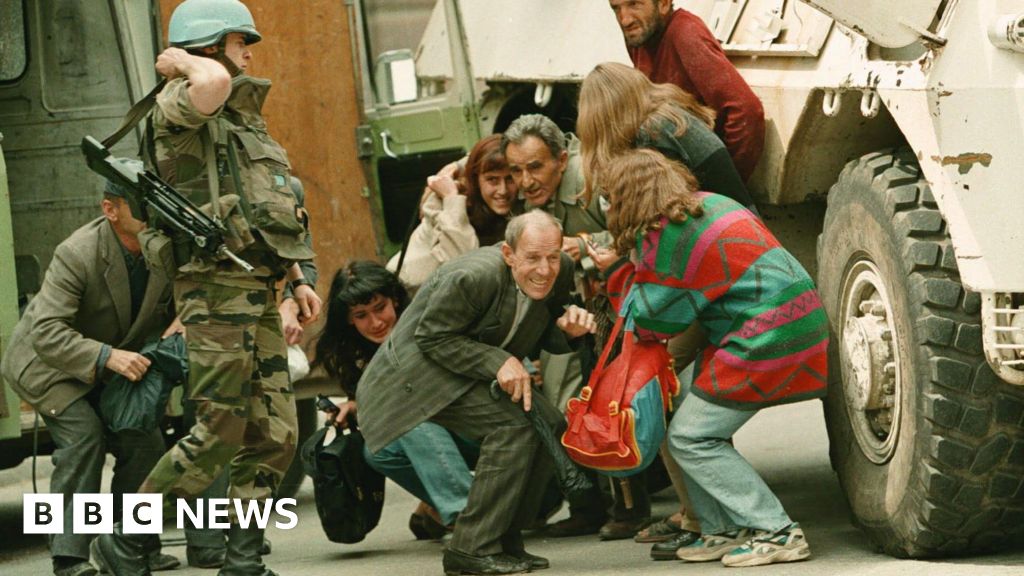
The investigation was prompted by a complaint filed by journalist and novelist Ezio Gavazzeni, who alleges a “manhunt” by wealthy individuals who “paid to be able to kill defenceless civilians” from positions held by Serb forces surrounding Sarajevo. Reports suggest varying prices were charged based on the victim’s identity. More than 11,000 people lost their lives during the four-year siege of Sarajevo, a period marked by relentless shelling and sniper fire – a conflict that deeply scarred the region and continues to shape its political landscape today.
Evidence presented to Italian counter-terrorism prosecutor Alessandro Gobbis includes testimony from a Bosnian military intelligence officer who claims the “safaris” were identified in late 1993. According to this testimony, Italian military intelligence (Sismi) was alerted in early 1994 and confirmed that tourists were traveling from Trieste, Italy, to the hills above Sarajevo. The officer stated that Sismi informed Bosnian authorities the trips were halted within two to three months. Gavazzeni, who first encountered reports of these tours decades ago, revisited the topic after viewing the 2022 documentary “Sarajevo Safari”, which alleges involvement from citizens of multiple countries, including the US and Russia. He alleges “many” participated, potentially “at least a hundred,” paying as much as €100,000 for the opportunity. Further context on the Bosnian War can be found at the Britannica website.
The allegations echo past claims of “human hunters” from abroad, but this investigation marks a significant step toward potential prosecution. Notably, in 1992, Russian nationalist Eduard Limonov was filmed firing into Sarajevo alongside Bosnian Serb leader Radovan Karadzic, who was later convicted of genocide. Prosecutors and police are currently working to identify and interview witnesses to establish the extent of involvement.
Prosecutors are continuing to gather evidence and identify potential witnesses as the investigation progresses.
