
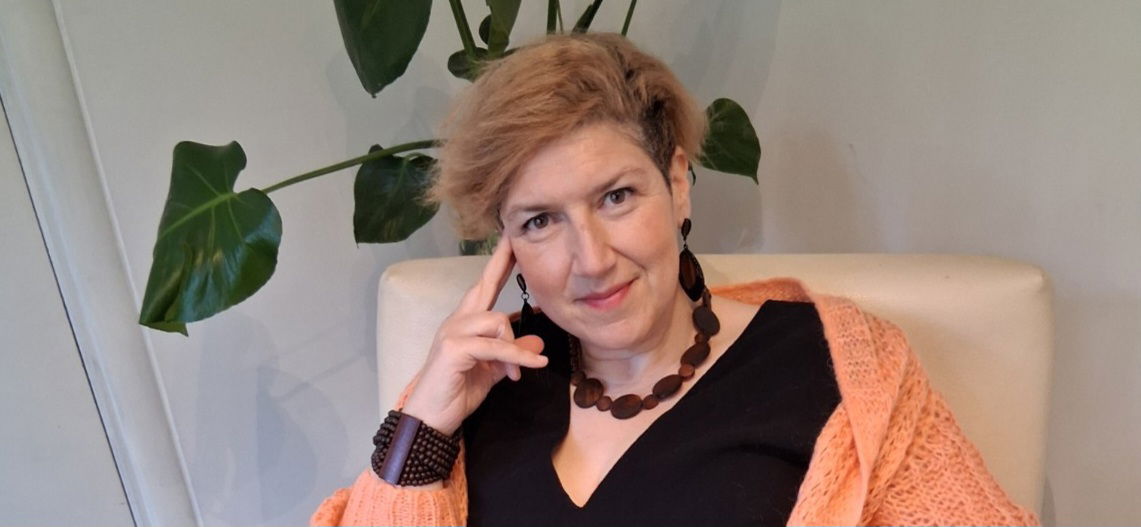
In a Nutshell
- Inez Deleeuw explains that many misconceptions about ADHD and autism stem from assumptions and biases in schools and the media.
- She believes children and adults thrive when their environment aligns with their talents and interests.
- Her work helps neurodiverse individuals build self-confidence, self-worth, and find their place in the world.
ADHD and autism coach Inez Deleeuw works daily with children, adolescents, and adults who feel stuck, not because of their neurodiversity itself, but due to systemic challenges in education and society. She shares insights into persistent misunderstandings surrounding ADHD and autism, emphasizing the importance of understanding over judgment, and how to better support the talents, self-esteem, and well-being of neurodiverse individuals. What we have is particularly relevant as awareness of neurodiversity grows and the necessitate for inclusive practices increases.
What is the most persistent misconception about ADHD and autism that you encounter?
The biggest misconception is the idea that people with these conditions simply can’t be still. This perception often overshadows the underlying reasons for restlessness and isn’t universally true for everyone with ADHD. Often, a generalization is made and applied to all individuals with ADHD, when in reality, ADHD presents as a spectrum. Just as with neurotypical individuals, it’s inaccurate to categorize everyone the same way. The same holds true for people with ADHD, autism, or high abilities – there are many different presentations, and everyone experiences these conditions uniquely.
Where do portrayals of ADHD or autism often go wrong in the media or at school?
In schools, biases often take root early. If a child displays disruptive behavior towards one teacher, they may receive a negative label that follows them to subsequent educators, without a thorough understanding of their needs. The media frequently depicts individuals with ADHD as impulsive and hyperactive. However, many people with ADHD are innovative thinkers who can leverage their unique perspectives in creative ways. Instead, they are often held to societal norms and expected to conform.
This can have significant consequences for children with co-occurring conditions, such as high abilities. They often fall through the cracks and end up in special education settings despite their potential. My own family illustrates this point: three of my four children, who have ADHD, autism, and high abilities, attended special education programs. Their talents and interests weren’t always well-suited to traditional classrooms, requiring tailored learning approaches to help them reach their full potential. This highlights the urgent need for greater understanding and flexible educational options for children who don’t fit neatly into standard models.
Many people view ADHD as simply “restless behavior.” What are we missing when we oversimplify it this way?
Reducing ADHD to “restless behavior” obscures the individual. It’s applying a label that overshadows a person’s strengths and unique qualities, diminishing their perceived value.
Do you see differences in how girls/women versus boys/men with ADHD or autism are understood or overlooked?
Yes, women are often diagnosed much later in life, typically between the ages of 30 and 60. This is because they often engage in “mirroring” behavior – adapting to and mimicking the behaviors of others to fit into society, even if it doesn’t feel authentic. Later in life, for example when starting a family, they may experience burnout, depression, or frustration because they don’t understand why they’re struggling. It’s often when they connect with someone with ADHD or autism that they begin to recognize their own patterns and motivations. Hormonal fluctuations during perimenopause or menopause can similarly accelerate this process, leading to a later diagnosis.
What happens when we focus on adapting the environment instead of trying to “fix” the child or employee?
It’s not simply about adapting the environment, but about understanding the individual: how do they function, what are their interests, and what do they need? Too often, parents or schools question, “Fix my child,” attempting to mold them to societal expectations without considering who they truly are. This can lead to unhappy children who feel they don’t belong.
When we genuinely focus on their interests and strengths – for example, a strong interest in trains or a knack for trivia – we can integrate these into their daily routine. This keeps them motivated and engaged, rather than forcing them to sit still for extended periods. Ignoring these needs contributes to burnout, depression, medication use, and societal costs, while preventing both children and adults from realizing their potential.
What mindset shift is required from parents, teachers, and leaders to adapt the environment?
It requires a mindset that dares to think outside the box. It’s about truly seeing the person – how do they function, what interests them, and what do they need? This allows them to understand and appreciate themselves. People aren’t place on this earth to fit into a mold, but to bring value. When that value is recognized and nurtured, everyone can benefit from each other’s talents.
What do you observe happening with children or adults when they are finally understood instead of judged?
When someone feels understood, their self-confidence and self-love grow. This can prevent adults from struggling with low self-esteem later in life. From a young age, children face pressure to meet the expectations of others, such as learning to ride a bike or mastering certain skills. This can overshadow their own identity. Understanding, rather than judgment, helps people discover themselves, appreciate their worth, and unlock their potential.
If you could share one message with schools, employers, and parents reading this, what would it be?
Engage a skilled ADHD and autism coach with expertise in self-love and self-worth. This will help educators and employers better understand children and employees, recognize their own triggers, and effectively interact with neurodiverse individuals. It’s essential that they receive adequate support to avoid burnout. Governments should actively invest in this area and provide additional resources, as current funding levels are insufficient.
The teacher shortage makes it even more difficult to properly support children with ADHD or autism.
Teachers graduate with the goal of helping children, but instead of receiving adequate support, they are immediately overwhelmed with responsibilities. Parents who are already struggling with a child with autism, ADHD, or other conditions rely on teachers to manage everything. This places a tremendous burden on educators and isn’t fair to parents, teachers, or, most importantly, the child. It raises the question: what kind of adults will these children grow?
Where do you see hopeful developments in how we view ADHD and autism, and where do we still struggle?
Belgium and the Netherlands are lagging behind in this area. I see hopeful signs primarily in international contexts, such as the United States, and through social media where neurodiverse communities are forming. I can learn a lot from the experiences, studies, and insights developed elsewhere. To build progress, we must be willing to look at how other countries and communities address ADHD and autism and learn from their approaches.
What has working with people with ADHD and autism taught you personally?
It has taught me immense love. I am passionate because I see how much pain it causes when people feel they have no right to exist and are “not good enough.” That belief is learned, while life itself is a gift. My work helps them rediscover their self-love and self-worth, and from there, find their place in the world. This process has deeply touched me and given me a great deal of love.
