
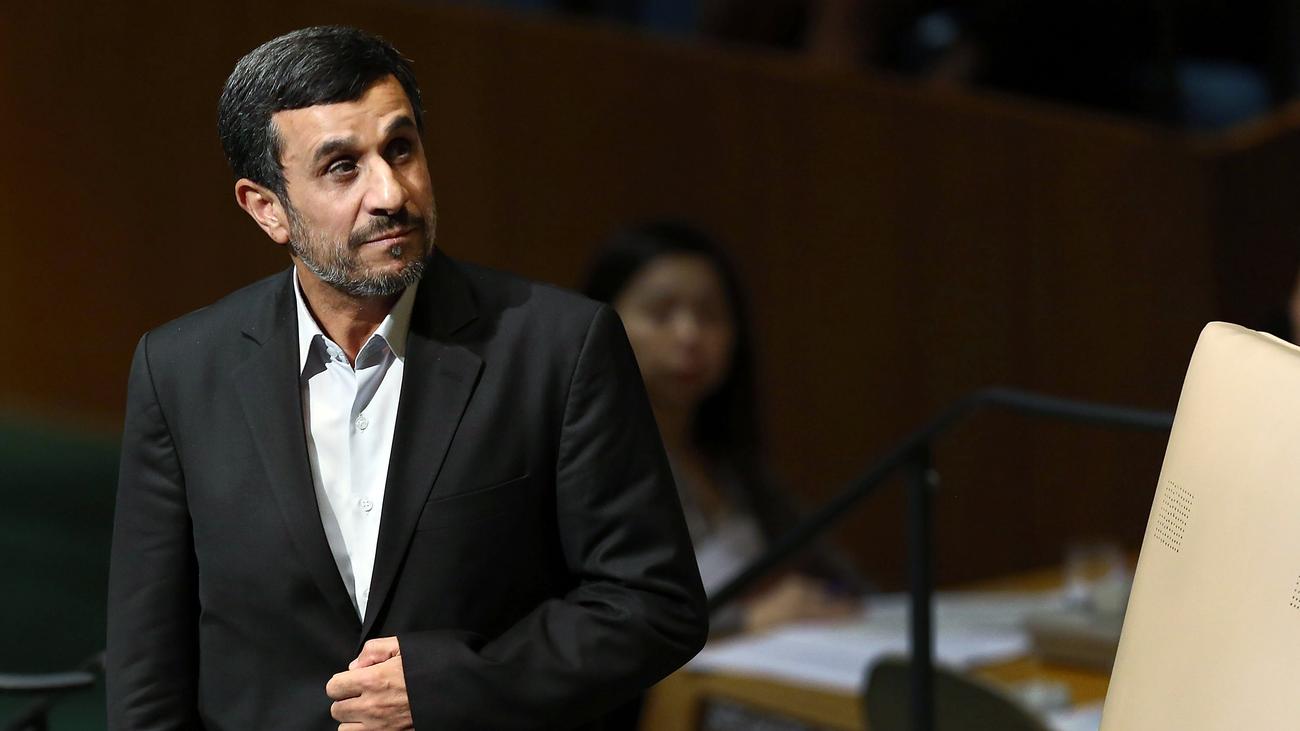
A former Iranian president, Mahmud Ahmadinejad, was killed in an airstrike in Tehran, according to state news agency Ilna. The 69-year-traditional was at his home in the east of the capital with his bodyguards when the attack occurred.
The strikes, carried out by Israel and the United States, also resulted in the deaths of Supreme Leader Ayatollah Ali Khamenei and other prominent political figures in Iran. Several high-ranking generals and a minister are also confirmed dead, with Iranian state television reporting that the names of additional casualties will be released later. This dramatic escalation marks a significant turning point in regional tensions.
Threats Against Israel
Ahmadinejad served as Iran’s president from 2005 to 2013. Initially favored by the ruling Shiite clergy and hardliners within parliament, he faced growing criticism towards the end of his tenure. His uncompromising stance on nuclear policy led to international sanctions that plunged the country into economic crisis.
Internationally, Ahmadinejad’s government was largely isolated due to his military threats against Israel and denial of the Holocaust. Support for him waned, even among hardliners, as his presidency progressed.
During his time in office, Ahmadinejad relied heavily on the Revolutionary Guard (IRGC), granting them benefits through privatization and control over key economic sectors.
Despite being considered a protégé of the now-deceased Ayatollah Ali Khamenei, Ahmadinejad evolved into an unpredictable opposition figure within the system towards the end and after his presidency.
Break with Ayatollah Ali Khamenei
His attempts to expand the powers of the elected president at the expense of the clergy – particularly through a public dispute over the intelligence ministry in 2011 – led to a rift with the Supreme Leader. In the following years, he was politically marginalized, being barred from running in the presidential elections of 2017, 2021, and 2024 by the Guardian Council.
