

AI-Powered Blood Test Offers Breakthrough in Early Leprosy Detection
Researchers from the University of São Paulo (USP) are leveraging artificial intelligence and advanced blood testing to tackle one of the most persistent challenges in combating leprosy: late diagnosis. By identifying the disease in its earliest stages, health officials hope to significantly curb transmission and prevent severe complications for patients.
Leprosy remains a critical public health issue in Brazil, largely because the disease is often detected only after it has progressed. When diagnosis is delayed, patients may inadvertently spread the bacteria to others and suffer more permanent physical damage. This innovation aims to bridge the gap where traditional laboratory methods and clinical recognition often fail.
The novel diagnostic strategy, developed by researchers at the Faculty of Medicine of Ribeirão Preto (FMRP-USP) and supported by FAPESP, utilizes a three-pronged approach to increase accuracy and speed:
- Targeted Screening: A specialized questionnaire (QSH) used to identify signs and symptoms such as skin spots, numbness and nerve pain, as well as family and contact history.
- Sensitive Biomarkers: The use of more sensitive blood tests capable of detecting infection markers even when symptoms are subtle.
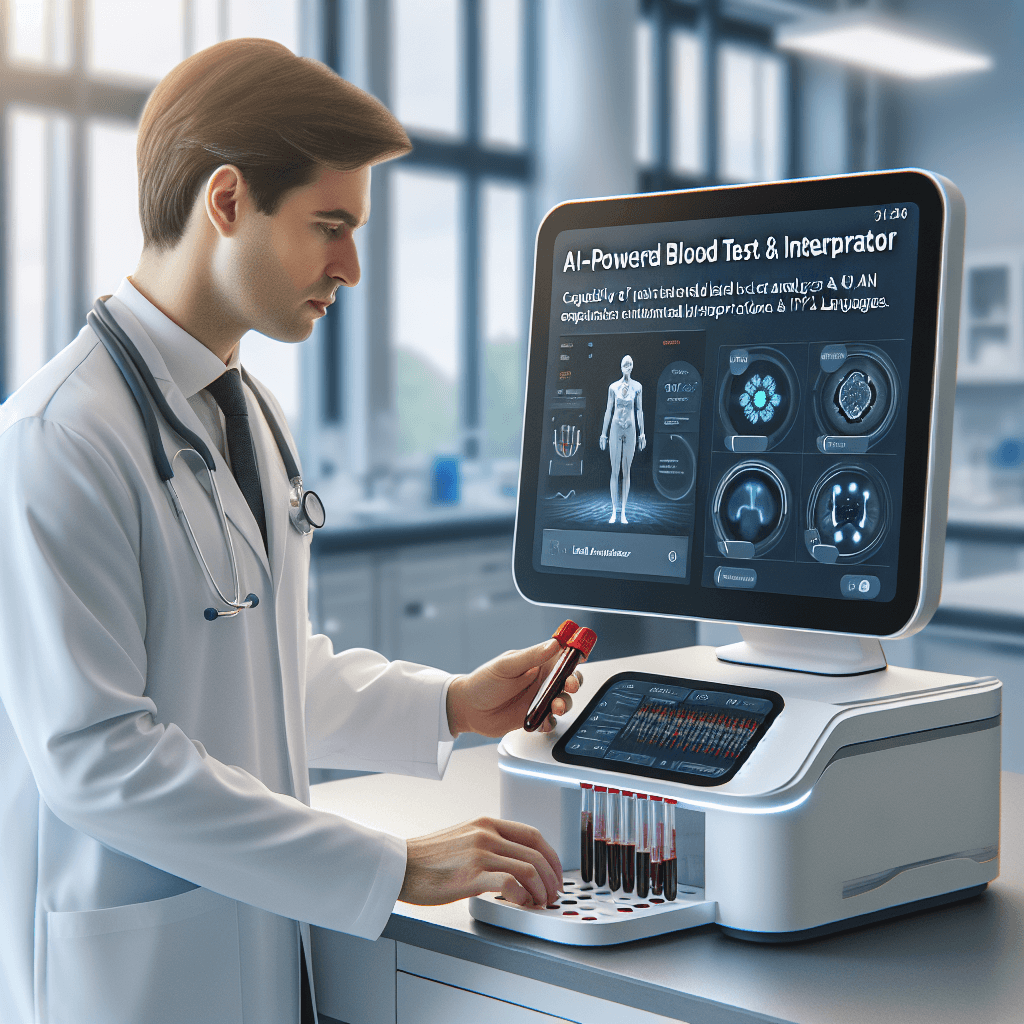
- Artificial Intelligence: A system known as MaLeSQs® that analyzes the data from the questionnaires and blood tests to identify risk patterns and prioritize patients who require urgent medical evaluation.
The effectiveness of this tool was demonstrated in a study conducted in Ribeirão Preto, a city with a high incidence of the disease that recorded 153 new cases in 2024 alone. According to researcher Filipe Rocha Lima, the study utilized a biobank of blood samples collected during a 2020 COVID-19 population survey. Out of more than a thousand participants, 224 were given the QSH questionnaire to screen for leprosy symptoms.
“A hanseníase é uma doença milenar, mas ainda enfrenta desafios típicos de problemas de saúde pouco priorizados. Ainda faltam tecnologias laboratoriais sensíveis para o diagnóstico precoce e muitos profissionais de saúde não estão devidamente preparados para reconhecer as formas iniciais da doença,” explains biomedical researcher Filipe Lima.
The study, coordinated by researcher Marco Andrey Frade and published in the journal BMC Infectious Diseases, underscores the urgency of modernization. Currently, the standard treatment for leprosy has remained largely unchanged for over four decades, which has contributed to issues with bacterial resistance and therapeutic failure.
By integrating these digital platforms and serological biomarkers, the researchers believe they can move toward a more active search for new cases. The ultimate goal is for these tools to be incorporated into the Unified Health System (SUS), making rapid and efficient diagnosis accessible to the populations most affected by the disease.
This shift toward AI-driven diagnostics could fundamentally change the trajectory of leprosy control by stopping the chain of transmission before the bacteria can spread further within the community.
