
1 di 9 di Alessandro Rosi
1 Minuto di Lettura
Researchers are reporting a potential breakthrough in the early detection of Alzheimer’s disease, offering hope for earlier intervention and improved patient outcomes. The ability to predict the onset of Alzheimer’s is a significant step forward in addressing this growing public health concern.
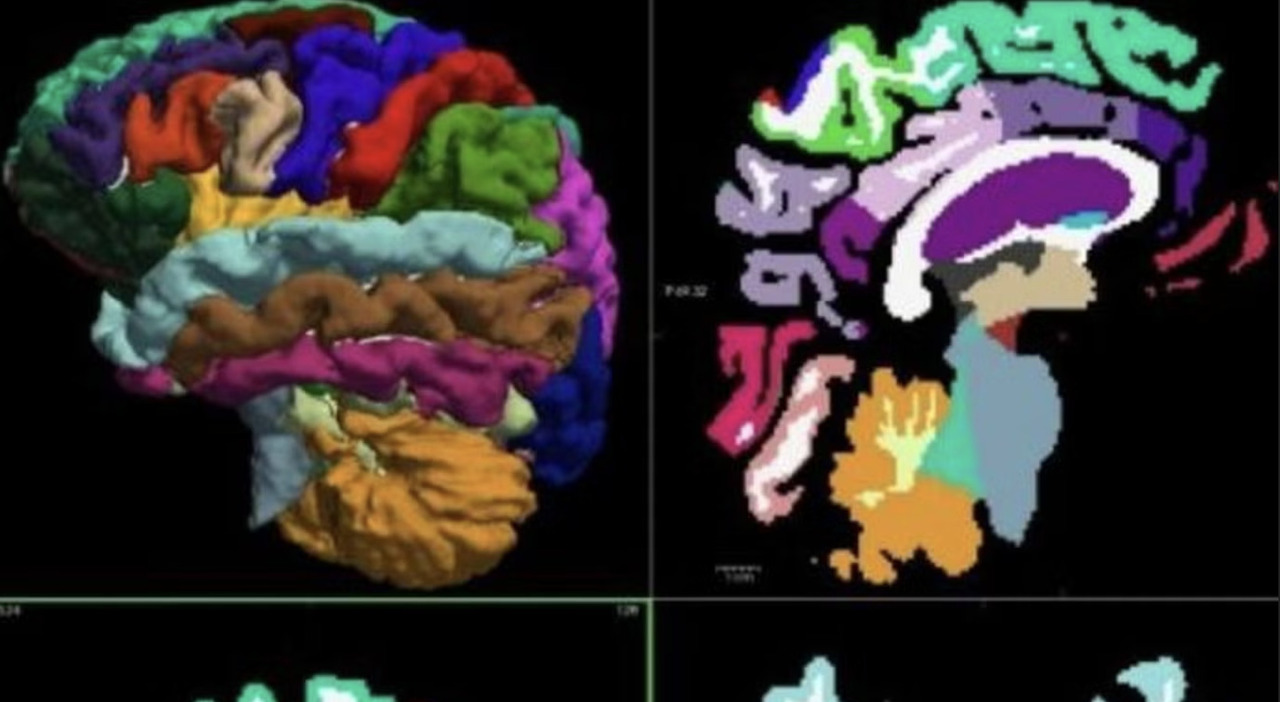
According to researchers at the Worcester Polytechnic Institute in Massachusetts, artificial intelligence can now predict the disease with nearly 93% accuracy. The study, which began in early March, utilized over 800 brain scans to identify subtle anatomical changes in the brain that indicate the early stages of the most common form of dementia.
The AI was able to pinpoint these changes, offering a potential new tool for clinicians to assess risk and monitor patients. This development could lead to earlier diagnoses and potentially more effective treatment strategies.
“Gli studiosi affermano di essere in grado di prevedere la malattia con una precisione vicina al 93%,” researchers stated.
“Secondo quanto riportato a inizio marzo, più di 800 scansioni cerebrali hanno aiutato l’intelligenza artificiale a identificare i cambiamenti anatomici nel cervello che segnalavano l’inizio della forma più comune di demenza.”
© RIPRODUZIONE RISERVATA
1 di 9
