
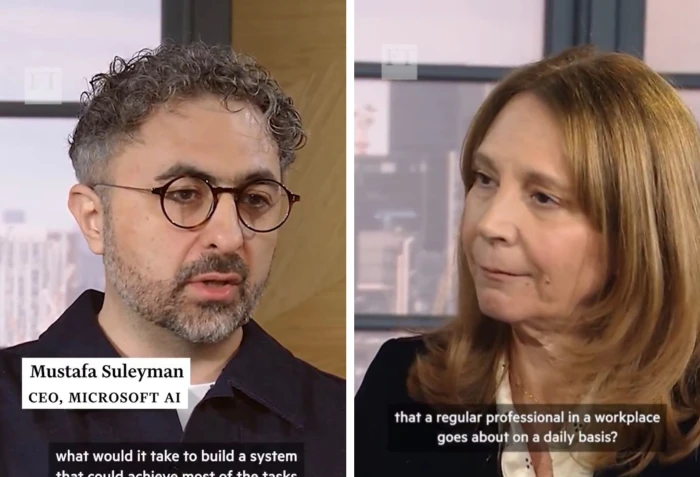
Microsoft’s AI division anticipates widespread automation of white-collar jobs within the next 12 to 18 months, potentially reshaping the global labor market. The shift, driven by rapidly advancing artificial intelligence, could impact as many as 21 professions, according to Mustafa Suleiman, CEO of Microsoft’s AI unit.
Suleiman revealed the projections in statements to the Financial Times, noting that AI is nearing human-level performance in tasks currently performed by office workers. This includes roles traditionally considered resistant to automation, such as legal and accounting professions. AI is expected to handle duties currently undertaken by lawyers, legal consultants, accountants, and financial analysts with increasing accuracy and efficiency.
The anticipated disruption extends beyond traditional office environments. The technology wave is also poised to impact the technology sector itself, with roles like computer programmers, software engineers, and data analysts facing potential automation. Engineering fields, including civil, architectural, and electrical engineering, as well as various design professions, are also expected to be affected.
Beyond technical and professional roles, Suleiman indicated that managerial and leadership positions are also vulnerable. This includes department heads, project managers, human resources personnel, and even banking employees. The changes also extend to sales and marketing roles.
The forecast also includes implications for the healthcare sector, specifically administrative and clerical roles within medicine, pharmacists, and certain classifications of nursing staff. This suggests a comprehensive restructuring of the modern office job and the skills required in the new digital age.
The developments come amid reports of “AI stress” among employees, as the technology boosts productivity but simultaneously increases pressure to handle multiple tasks concurrently. Microsoft’s projections underscore the accelerating pace of technological change and its potential to fundamentally alter the employment landscape.
