
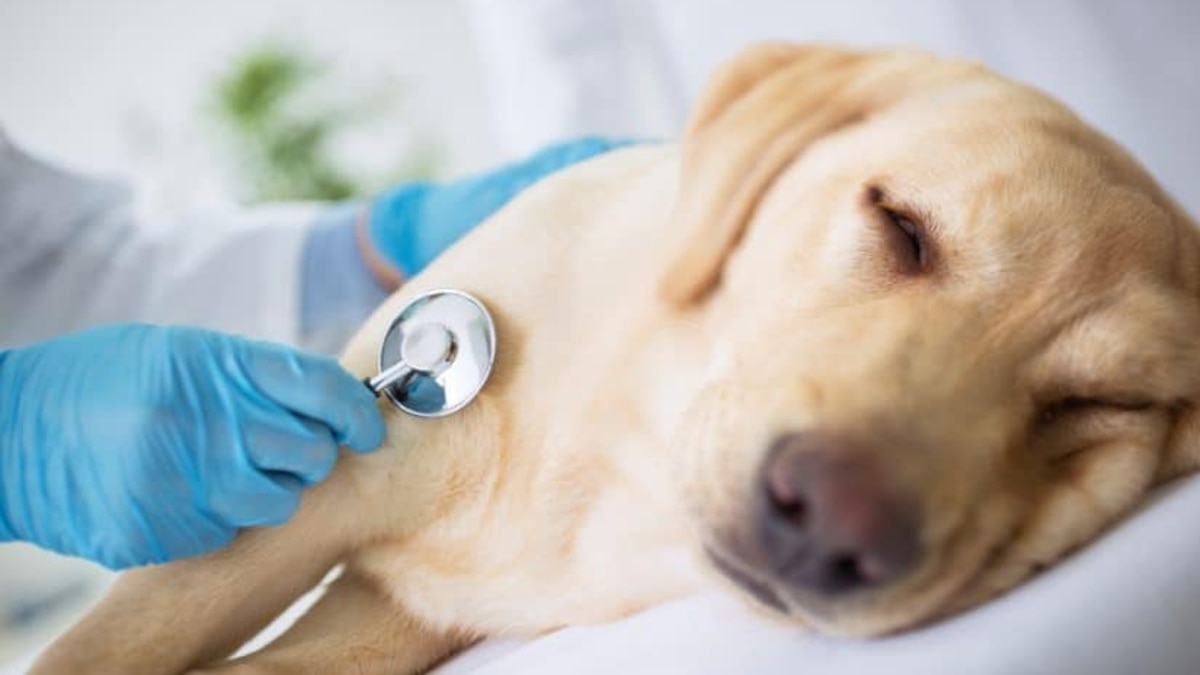
AI-Designed Vaccine Attempted to Treat Dog’s Cancer, Sparks Debate
A Sydney-based AI consultant’s attempt to create a personalized mRNA cancer vaccine for his dog, Rosie, using artificial intelligence tools has gained international attention, raising questions about the current state of veterinary cancer immunotherapy and the potential – and limitations – of AI in medical applications. The story initially went viral in mid-March 2026, with coverage appearing in outlets like CBS, Fortune and Newsweek.
Paul Conyngham reportedly utilized ChatGPT, Grok, Gemini, and AlphaFold in his effort to develop a vaccine for Rosie, a rescue mutt battling cancer. OpenAI CEO Sam Altman called the story “an amazing story” on social media, and DeepMind CEO Demis Hassabis also shared it. This case highlights the growing interest in leveraging AI for personalized medicine, even as experts caution against overstating current capabilities.
Ashley Kalinauskas, CEO of Torigen, a company specializing in veterinary cancer immunotherapy, has spoken about the case, noting that the viral narrative often misrepresents the reality of the field. The development of effective cancer treatments, even with advanced technologies, remains a complex process.
The utilize of AI in designing a cancer vaccine is not without precedent, but the process typically involves extensive research, data analysis, and validation by trained medical professionals. Personalized cancer vaccines aim to stimulate the body’s immune system to target and destroy cancer cells, and this approach is gaining traction in both human and veterinary medicine.
While the story of Rosie and her AI-designed vaccine has captured the public’s imagination, it also underscores the demand for careful evaluation of emerging technologies and a reliance on evidence-based medical practices. The field of veterinary cancer immunotherapy is evolving, and further research is needed to fully understand the potential benefits and risks of these innovative treatments.
The case also sparked discussion about the accessibility of advanced medical technologies and the role of individuals in pursuing unconventional treatments for their pets.
