
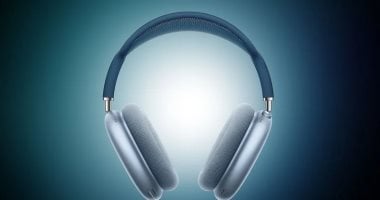
Apple on Friday, March 20, 2026, released a software update for the AirPods Max headphones, with the most significant addition being the H2 chip. Previously used in the AirPods 4 and AirPods Pro 2, and later models, the H2 chip is now making its debut in the AirPods Max, bringing a range of audio enhancements alongside an updated high-dynamic-range amplifier. This upgrade underscores Apple’s commitment to refining its premium audio experience.
Here’s a breakdown of all the latest audio features in AirPods Max, according to Apple:
Active Noise Cancellation:
The AirPods Max 2 boast up to 1.5x more effective active noise cancellation, thanks to the more powerful H2 chip and a new computational audio algorithm that detects and processes external sounds.
Adaptive Audio:
AirPods Max now support Adaptive Audio, which automatically adjusts the level of active noise cancellation based on the surrounding environment.
Adaptive Audio:
AirPods Max support Adaptive Audio, which automatically adjusts the level of active noise cancellation based on the surrounding environment.
Transparency:
Apple states that it’s utilizing a new digital signal processing algorithm, specifically designed for the H2 chip and AirPods Max microphone array, to make Transparency mode sound more natural. Voices, both your own and those around you, will sound more realistic. Transparency allows users to hear their surroundings while filtering out ambient noise through the AirPods Max microphones.
High Volume Reduction:
Adaptive Audio also includes High Volume Reduction, where AirPods Max automatically lowers loud ambient sounds, such as lawnmowers or construction equipment.
Personalized Volume:
Another feature of Adaptive Audio, Personalized Volume learns your listening preferences in different environments over time and adjusts accordingly.
Conversation Awareness:
When a conversation starts, Conversation Awareness is activated, lowering the volume of what you’re listening to while amplifying other voices so you can hear responses. Once the conversation ends, the audio returns to its previous level.
Conversation Awareness:
High-Fidelity Audio Enhancements – Apple says the H2 chip and the new high-dynamic-range amplifier provide a wider dynamic range for the headphones, resulting in richer bass, more natural vocals, and better instrument separation. Users can expect more accurate and stable bass, as well as a more natural-sounding mid and high range.
Adaptive EQ:
Apple has retuned the Adaptive EQ for the H2 chip, and the feature now extends to higher frequencies. Adaptive EQ uses internal microphones to sample what you’re hearing and adjusts the playback in real-time. According to Apple, users will get a more consistent listening experience regardless of the volume, movement, or ear shape.
Voice Isolation:
Voice Isolation isolates your voice in noisy environments so others can hear you clearly during calls. It also enables creators to record high-quality vocals.
Reduced Wireless Audio Latency:
Apple states that latency is lower with the H2 chip in the AirPods Max 2. AirPods Max support Bluetooth 5.3, compared to Bluetooth 5.0 in the previous model.
Other features enabled by the H2 processor, not directly related to audio, include Live Translate, camera remote control, and the ability to activate Siri without using “Hey.” The AirPods Max 2 also retain all other features of the original AirPods Max, such as Personalized Spatial Audio, fast pairing, and device switching.
Apple has made no other changes to the design of the AirPods Max, and the overall appearance remains unchanged. Compared to the AirPods Pro, a key advantage of the AirPods Max is its support for lossless audio quality when connected via a wired USB-C connection, delivering 24-bit, 48 kHz audio – a feature not found in the Pro models.
The AirPods Max are priced at $549, and Apple plans to begin accepting pre-orders on Wednesday, March 25. A launch is expected in early April, though Apple has not yet specified a firm date.
