
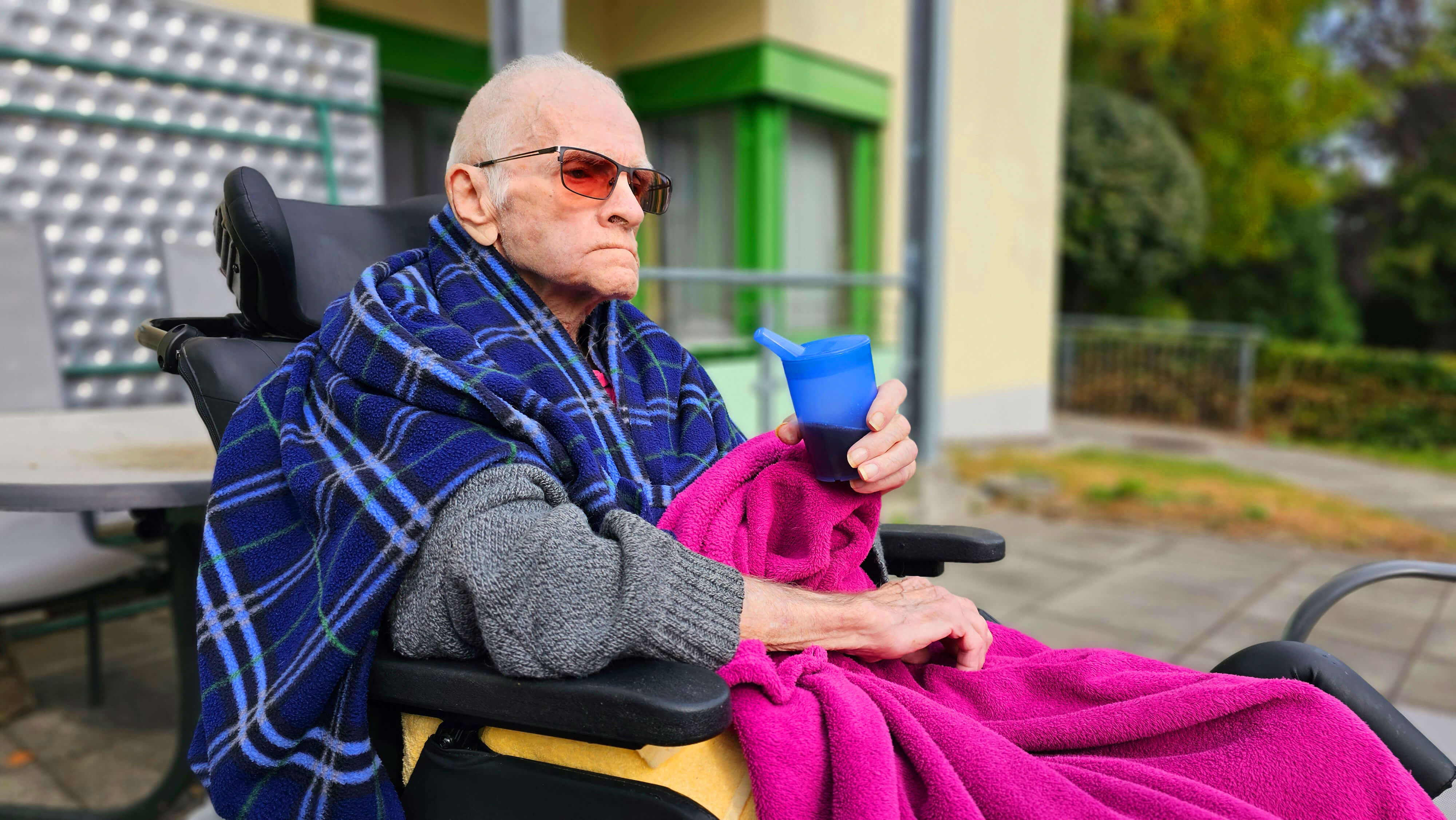
Respiratory muscle training may offer benefits for individuals with amyotrophic lateral sclerosis (ALS), a progressive neurodegenerative disease where respiratory failure is often the cause of death. A new review of existing research explores the evidence behind this potential therapeutic approach.
bettina sampl/stock.adobe.com
Researchers from Spain, led by Dr. María Jesús Benzo-Iglesias of the University of Almería, investigated whether targeted respiratory muscle training could improve muscle strength and lung function in patients with ALS. The team analyzed five randomized controlled trials, encompassing a total of 170 participants. These trials compared respiratory muscle training to physical exercise, usual care, or no intervention in individuals with ALS.
The meta-analysis revealed a significant improvement in muscle strength with respiratory muscle training. Specifically, maximal expiratory pressures (MEP) and maximal inspiratory pressures (MIP) showed notable gains. One study within the analysis also suggested that inspiratory muscle training could potentially serve as a predictor of survival for those with ALS. This finding highlights the potential for respiratory training to impact disease progression.
However, the training did not demonstrate a significant effect on forced vital capacity or quality of life in the included studies. Researchers note that this aligns with previous research where increased respiratory muscle strength doesn’t always translate to larger lung volumes. They hypothesize that improved muscle function in ALS patients may primarily facilitate coughing and mucus clearance – ultimately easing breathing. No adverse effects were reported during the trials.
The researchers concluded that respiratory muscle training can improve ventilatory function and muscle strength in people with ALS. While acknowledging the existing evidence is still limited, they believe the method holds potential as an adjunctive therapy to improve quality of life and potentially survival.
Notably, one study showed a clear decline in patient condition after the intervention was stopped, emphasizing the importance of continued training to maintain benefits and delay the progression of respiratory insufficiency. The findings, published in [https://pubmed.ncbi.nlm.nih.gov/40488544/](https://pubmed.ncbi.nlm.nih.gov/40488544/), could inform future care strategies for individuals living with this debilitating disease. A similar study also found that respiratory muscle training improves ventilatory function in ALS patients [https://journals.sagepub.com/doi/abs/10.1177/17534666251346095](https://journals.sagepub.com/doi/abs/10.1177/17534666251346095). According to Medscape, a recent meta-analysis shows moderate evidence supporting these benefits [https://www.medscape.com/viewarticle/respiratory-training-shows-modest-benefits-amyotrophic-2025a1000hdp](https://www.medscape.com/viewarticle/respiratory-training-shows-modest-benefits-amyotrophic-2025a1000hdp).
