

Researchers have identified changes in brain DNA that may explain why Alzheimer’s disease progresses at different rates among patients.
A team of researchers has identified epigenetic changes in the DNA of brain cells associated with the progression of Alzheimer’s disease, a neurodegenerative illness affecting millions worldwide. This discovery offers new insights into why the disease advances at varying speeds among individuals.
The findings, published in a peer-reviewed scientific journal, shed light on how modifications to genetic material – which don’t alter the DNA sequence itself – can influence the development and course of this condition. Understanding these mechanisms is crucial as Alzheimer’s disease remains a significant public health challenge.
These epigenetic patterns could provide targets for future research and, potentially, new diagnostic or treatment strategies. (Source: Infobae, based on the original study)

What are Epigenetic Changes?
Epigenetic changes are chemical modifications that occur on DNA or the proteins that package it, without altering the sequence of the genetic code. These modifications can:
- Turn genes on or off
- Affect how cells read DNA
- Change over a lifetime due to age, environment, or disease
In the context of Alzheimer’s disease, these types of changes can influence the expression of genes key to brain function, and not just genes associated with known inherited mutations.
What Did the Study Locate?
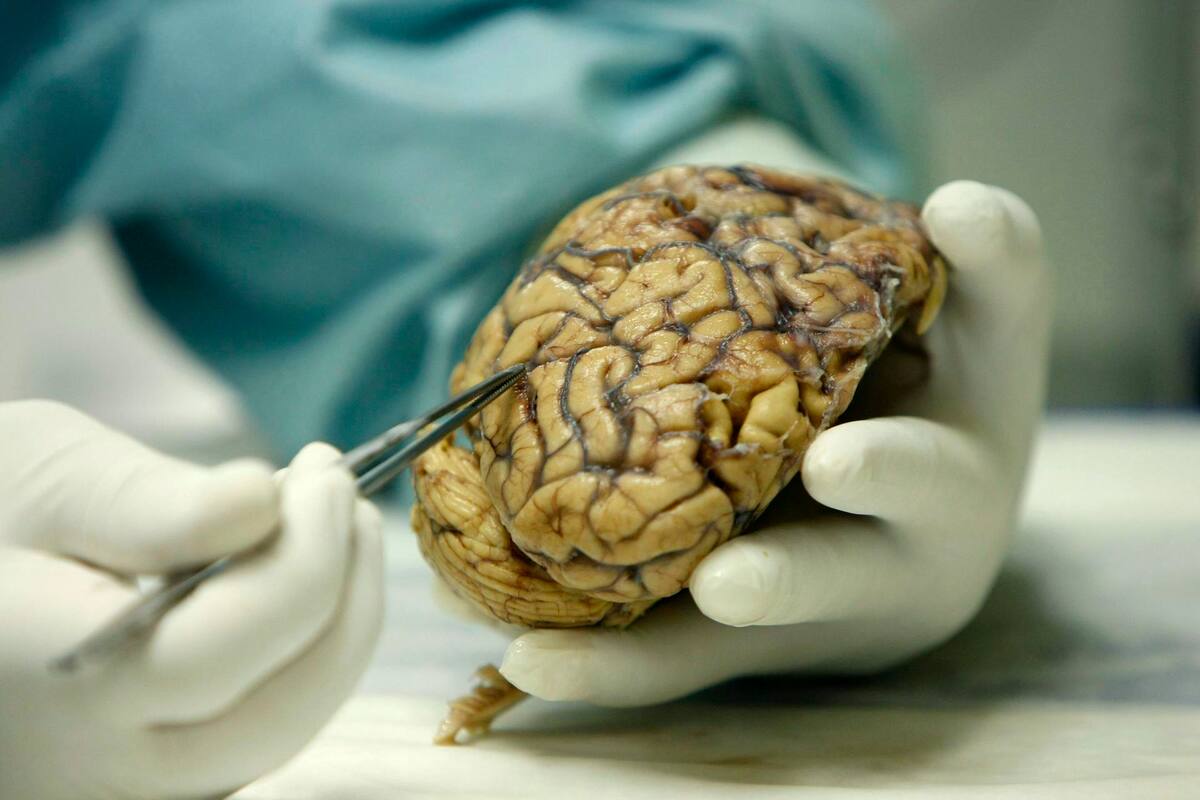
Scientists analyzed samples of brain tissue from individuals both with and without Alzheimer’s disease. They compared epigenetic patterns in specific brain regions.
The study found that certain epigenetic marks were related to the severity of the disease, suggesting that genetic mutations aren’t the whole story – how DNA is “marked” in the brain also matters.
These changes include processes such as:
- DNA methylation
- Histone modifications (proteins that help package DNA)
These modifications can affect neuronal functions and cellular repair processes, opening new avenues for understanding Alzheimer’s progression.
You may also be interested in: How to protect brain health: a plan from an Alzheimer’s expert
What Does This Mean?
The research doesn’t claim these epigenetic changes directly cause the disease, but it does indicate that:
- They are associated with advanced stages of Alzheimer’s
- They may serve as biomarkers (detectable indicators) of progression
- They offer potential targets for future targeted therapies
This scientific approach suggests that, in addition to known genetic variants, the regulation of DNA may play an important role in neurodegeneration.
You may also be interested in: Blood sugar spikes after eating and their possible impact on Alzheimer’s
