
Amazon Lakes Reach Scorching Temperatures, Triggering Mass Die-Offs
Severe heatwaves and drought are transforming Amazonian lakes into dangerously hot water bodies, exceeding temperatures typically found in spa baths and causing widespread death among aquatic wildlife.
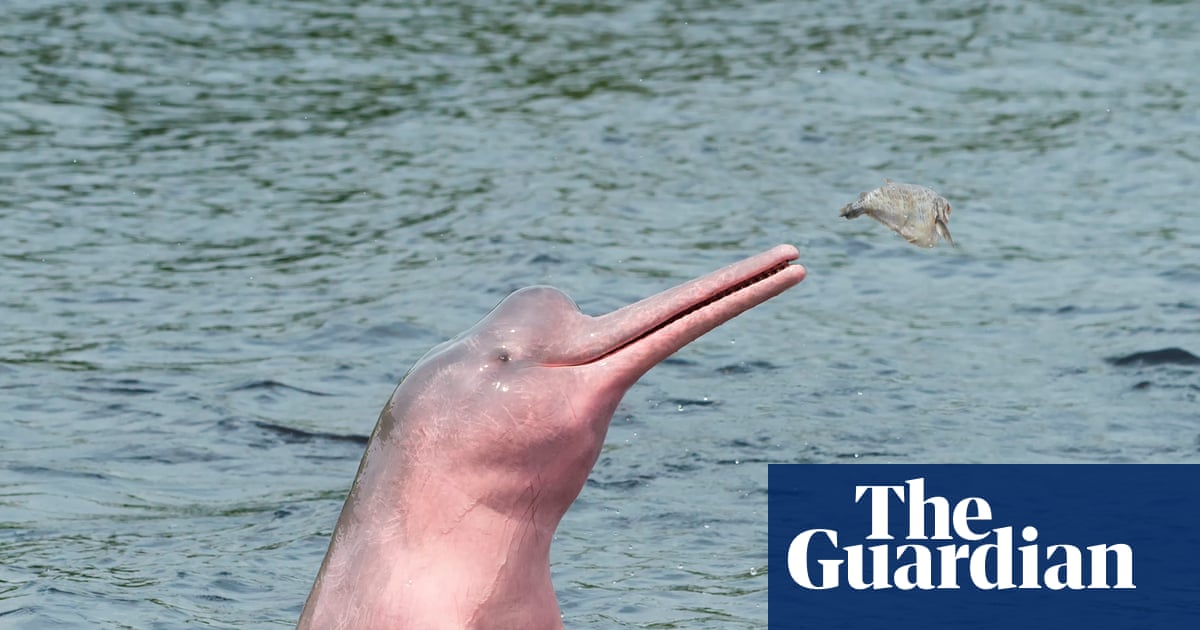
Researchers documented water temperatures in Lake Tefé, Brazil, reaching 41C (104F) during the drought of 2023 and again in late 2024, a stark increase from the average 30C. This extreme heat, coupled with plummeting water levels, led to the deaths of up to 200 endangered Amazon river dolphins over a six-week period in September 2023 – an event unprecedented in the last century. “We couldn’t even put our fingers in the water. It was really hot, not just in the top bit, but right down to the bottom,” said Ayan Fleischmann, lead researcher at the Mamirauá Institute for Sustainable Development. “You put your finger in and remove it instantaneously, it’s unbearable.”
A study published in the journal Science found that half of the ten Amazonian lakes investigated experienced daytime water temperatures above 37C. Lakes Tefé and Badajós experienced dramatic shrinkage, losing approximately 75% and 90% of their surface area respectively during the 2024 drought. These changes threaten the delicate balance of the Amazon rainforest, a vital carbon sink and biodiversity hotspot. The Amazon is warming at a rate of 0.3 to 0.8C per decade, exceeding the global average, according to the research.
Experts warn that these conditions are likely to have devastating consequences for aquatic species’ reproductive cycles and overall population health. Adrian Barnett, a senior lecturer at the University of Greenwich, stated, “A 10C increase in water temperature is unparalleled…The volume of energy needed to achieve this in such huge volumes of water is jaw-dropping.” Addressing the root cause of the problem – fossil fuel emissions and global warming – is crucial, as local solutions are limited. You can learn more about the impacts of climate change on freshwater ecosystems at the World Wildlife Fund.
Officials are continuing to monitor the situation and assess the long-term impacts on the Amazon’s ecosystem, emphasizing the urgent need for global action to mitigate climate change.
