
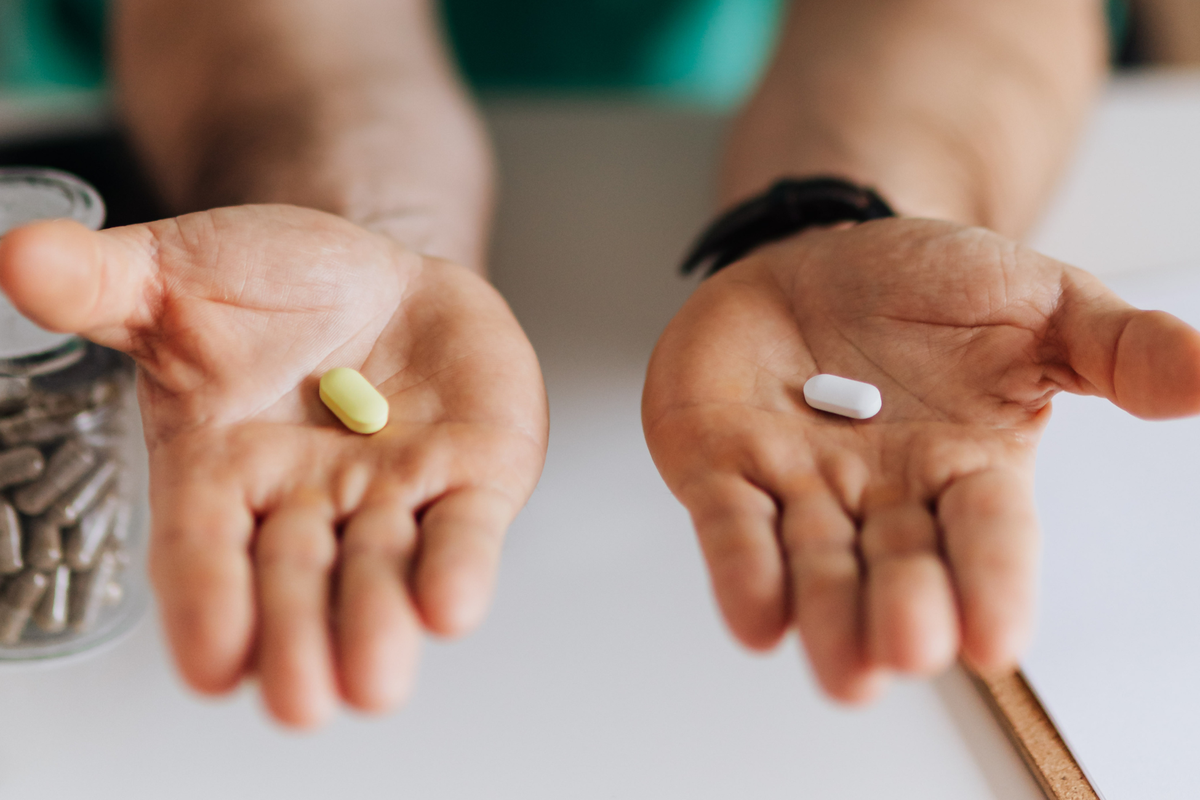
Our guts are home to trillions of bacteria, a largely unseen community that plays a vital role in our health. These microbes assist with digestion, help train the immune system, and protect against harmful pathogens. But a course of antibiotics can disrupt this delicate balance, acting like a widespread disturbance that eliminates both beneficial and harmful bacteria.
Long-Lasting Effects on Gut Health
Researchers at Uppsala University followed nearly 15,000 individuals to understand the long-term consequences of antibiotic use. The study revealed that even four to eight years after completing a course of antibiotics, noticeable changes remained in the composition of the gut microbiome. This suggests that even a single antibiotic treatment can have a more profound and lasting impact than previously thought.
Not All Antibiotics Are Created Equal
The research highlighted that different antibiotics have varying degrees of impact on the gut microbiome:
- Stronger Impact Antibiotics: Medications like clindamycin, fluoroquinolones, and flucloxacilline were associated with the most persistent alterations to the gut microbiome. The significant impact of flucloxacilline was particularly surprising to researchers, given its targeted mechanism of action.
- Milder Impact Antibiotics: Penicillin V, a commonly prescribed antibiotic in many countries, caused only minor and temporary disruptions to the gut microbiome.
Should We Be Concerned About Antibiotics?
No, not necessarily. When a doctor prescribes antibiotics, it’s because they believe the benefits outweigh the risks. It’s crucial not to avoid medically necessary care. However, researchers emphasize that these findings serve as an important reminder for the medical community.
When faced with a choice between equally effective antibiotics, doctors should consider selecting the option with the least disruptive effect on the gut microbiome. A healthy gut microbiome is a cornerstone of overall health and well-being.
How to Support Gut Recovery
Whereas research is ongoing, existing knowledge suggests that supporting gut health after antibiotic use is beneficial. This includes consuming a diet rich in fiber – the primary food source for beneficial bacteria – and incorporating fermented foods into your diet.
The key takeaway is to be mindful of the medications you take. When receiving a prescription, it’s reasonable to ask your doctor: “Is there an alternative to this antibiotic that might have less impact on my gut flora?” While the answer may not always be yes, it’s a valuable question for patients to ask.
