

Apple’s Foldable iPhone Enters Trial Production Amid Technical Hurdles
Apple’s long-anticipated entry into the foldable smartphone market is gaining momentum, with reports indicating that Foxconn has reportedly launched test production for the device. This move signals a critical step toward commercialization, though the path to a global release remains complex. Despite the progress in manufacturing, Nikkei Asia reports that the foldable iPhone is facing technical obstacles that could potentially lead to delivery delays. Similarly, other reports confirm that technical hurdles may impact the launch timeline.
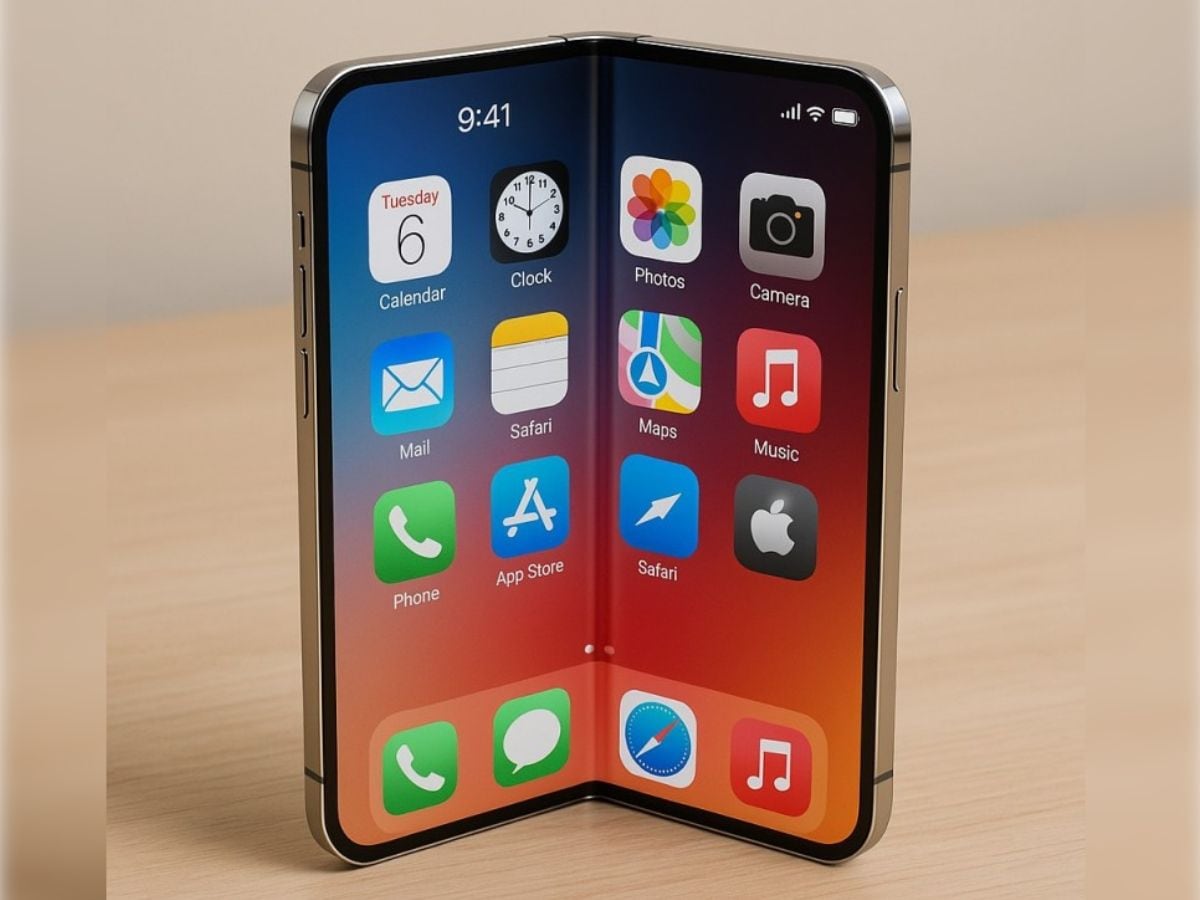
According to analyst Ming-Chi Kuo, Apple’s supplier Foxconn was expected to officially begin production in late September or October 2025. The company intends to debut the device in the fall of 2026 as a centerpiece of the iPhone 18 lineup. While the production timeline is advancing, Kuo noted that several component specifications have yet to be finalized. Yet, the trial production of the “iPhone Fold” represents a significant milestone in Apple’s hardware evolution.
The device is poised to be a marvel of engineering, with ambitions to grow the thinnest device in Apple’s entire portfolio, potentially surpassing the iPad Pro. The foldable iPhone is expected to feature a book-style design, measuring approximately 5.5 inches when closed and expanding to 7.8 inches when opened. In terms of thickness, the device could be as slim as 4.5mm when unfolded and between 9mm, and 9.5mm when closed.
Samsung Display has been tapped to produce the foldable panels, with an estimated seven to eight million units expected in 2026. Apple’s broader strategy involves an order of 15 to 20 million foldable iPhones, a supply Kuo suggests could last the company two to three years due to the high cost of the hardware. The device is expected to command a premium price point, likely ranging from $2,000 to $2,500, particularly as Apple navigates steep tariffs in China.
Beyond its dimensions, Apple is focusing heavily on a seamless user experience. The company has invested significantly in hinge design to ensure there is almost no visible crease on the display. To maximize screen real estate, the foldable iPhone will utilize under-display cameras. Interestingly, due to space constraints, the device may utilize Touch ID for authentication instead of Face ID.
The transition to a foldable form factor highlights Apple’s continued pursuit of hardware innovation, though the reported technical obstacles underscore the difficulty of balancing extreme thinness with durability in a foldable device.
