
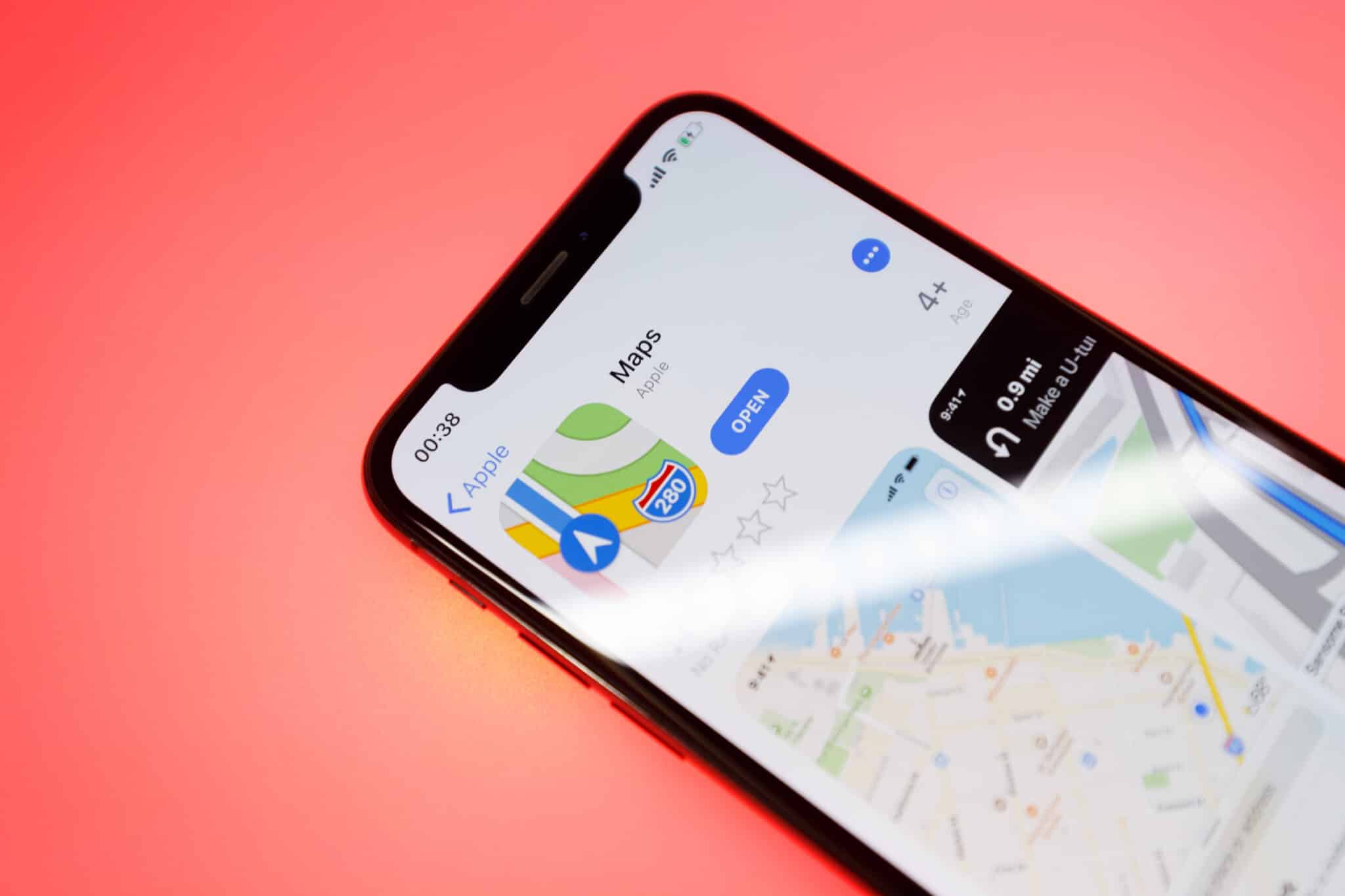
Apple is preparing to introduce sponsored ads within its Maps application, according to Bloomberg. The initial placements could appear as early as summer 2026.
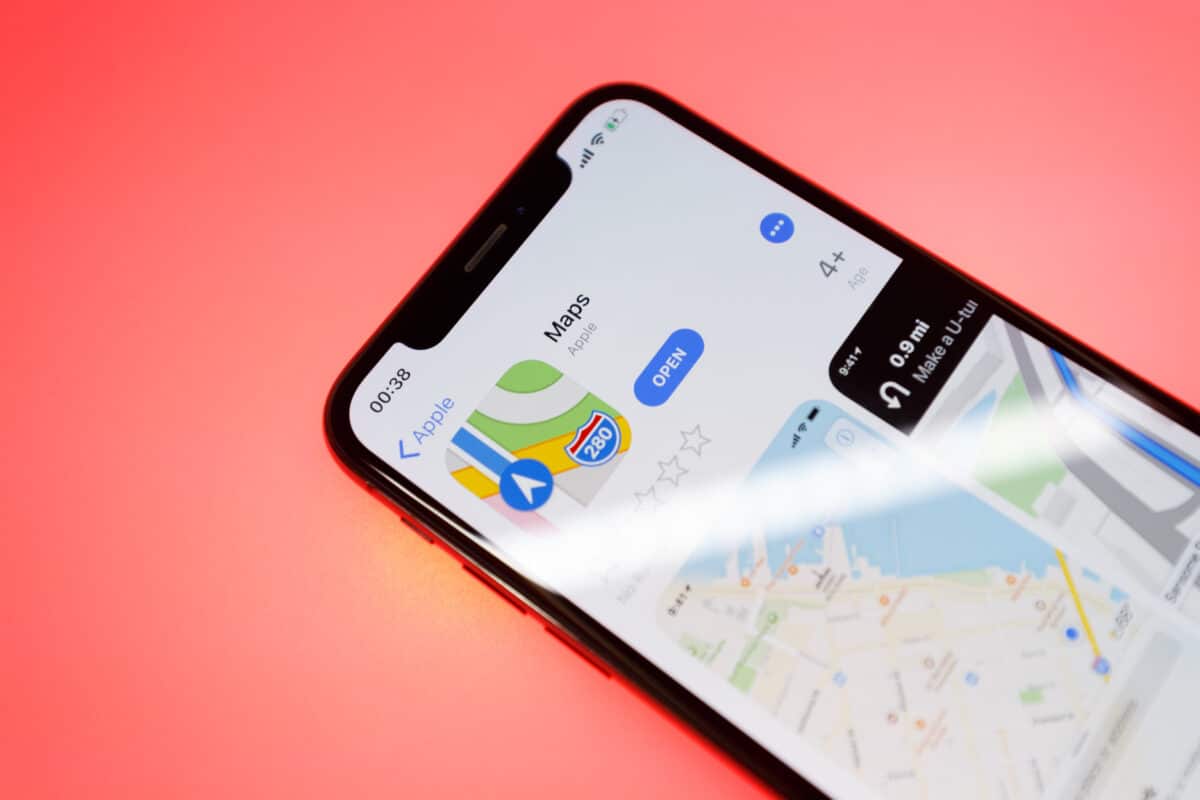
One of the last ad-free experiences within Apple’s ecosystem is poised for change. According to a report from Bloomberg published March 23, 2026, Apple is preparing to integrate an advertising system into its Maps application, with a potential official announcement before the end of March.
The planned system will utilize a keyword auction model, similar to those already employed by Google Maps and Waze. Businesses and brands will be able to bid on specific search terms. For example, a restaurant could target the keyword “sushi.” The winning bidder will have their establishment appear at the top of search results, above organic listings. The advertisements are planned for iPhone, iPad, Mac and the web version of Maps.
Why Apple is Pushing Advertising Revenue Now
Apple’s Services division surpassed $100 billion in annual revenue in 2025 and now accounts for more than a quarter of the group’s total sales. Its advertising unit, rebranded as “Apple Ads” in April 2025 after previously being known as “Search Ads,” is projected to generate approximately $8.5 billion this year, according to estimates from eMarketer. This move into advertising reflects a broader trend of tech companies seeking to diversify revenue streams.
This acceleration is not accidental: Apple is facing increasing regulatory pressure on the App Store’s business model, and the search agreement with Google, which generates several billion dollars annually, is being jeopardized by the rise of AI-powered search tools. Diversifying advertising revenue sources is becoming a mathematical necessity.
What This Means for iPhone Owners
For iPhone users accustomed to a streamlined experience in Maps, the change may be noticeable. Seeing sponsored results interspersed within a local search means accepting that the screen will also serve as a commercial showcase. Apple assures, although, that targeting will remain contextual, based on the current query, without exploiting detailed user profiles, consistent with its usual privacy policy.
The rollout is expected to begin this summer. Apple declined to comment on the information.
Source: Bloomberg
