
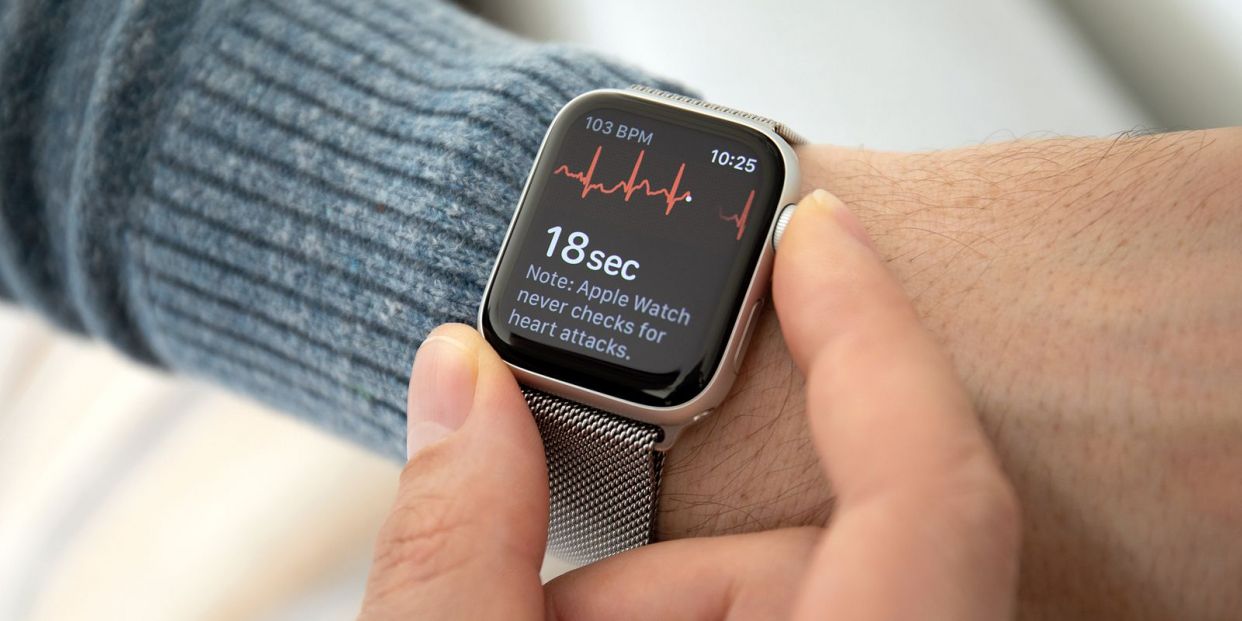
High blood pressure remains a significant, often undetected, health threat. Millions of adults live with elevated blood pressure without experiencing obvious symptoms, discovering the condition only through regular monitoring. Simultaneously, many individuals are now wearing smartwatches that track heart rate, sleep patterns, and increasingly, offer alerts related to cardiovascular health.
In September 2025, the FDA authorized the hypertension notification feature on the Apple Watch in the United States. This tool analyzes optical signals from blood flow to identify patterns consistent with elevated blood pressure and alerts the user to potential concerns. This development represents a growing trend of integrating health monitoring into consumer technology, offering potential for earlier detection of cardiovascular issues.
However, these alerts should not be considered a diagnosis. Understanding how to interpret these notifications – and the implications of not receiving them – is crucial, taking into account age, risk profile, and clinical context. While not a replacement for traditional blood pressure measurement with a cuff, the feature represents a step toward population-level screening using wearable devices.
A latest study published in the Journal of the American Medical Association analyzed the potential impact of widely implementing this tool across the adult population in the United States. The research was led by investigators at the University of Utah and the University of Pennsylvania.
Adam Bress, a researcher at the University of Utah’s Spencer Fox Eccles School of Medicine, emphasized that “hypertension is asymptomatic in most cases and is the leading modifiable cause of heart disease.” Early detection is critical for preventing serious complications.
A prior validation study by Apple showed that approximately 59% of individuals with undiagnosed hypertension did not receive any alerts (false negatives), while around 8% of those without the condition received an erroneous notification (false positives). Current medical guidelines recommend confirming a diagnosis with validated cuff-based measurements, both in clinical settings and at home, as blood pressure can fluctuate depending on the environment.
The new analysis utilized data from a nationally representative survey of adults in the U.S. And modeled how the probability of having hypertension would change after receiving – or not receiving – a watch alert. The study focused on individuals aged 22 and older who were not pregnant and had no prior diagnosis.
The results revealed significant differences based on age. In individuals under 30, receiving an alert increased the estimated probability of hypertension from 14% to 47%, while not receiving one reduced it to 10%. Conversely, among those over 60 – a group with a higher baseline prevalence – an alert increased the probability from 45% to 81%, but the absence of a notification only reduced it to 34%.
In other words, the more prevalent hypertension is within a group, the more likely an alert is to reflect a true case. However, the lack of a notification is less reassuring, particularly for older individuals or those with risk factors.
The study also identified variations across racial and ethnic groups. Among non-Hispanic Black adults, an alert increased the probability of hypertension from 36% to 75%, while its absence reduced it to 26%. In Hispanic adults, the probability shifted from 24% to 63% with an alert and decreased to 17% without one. These differences reflect known health disparities in cardiovascular health, largely linked to social determinants.
With approximately 30 million Apple Watch users in the United States and nearly 200 million worldwide, researchers emphasize that this feature could be a valuable public health tool, provided it complements – and does not replace – traditional cuff-based measurement.
Current recommendations advise measuring blood pressure every three to five years in adults under 40 without additional risk factors, and at least annually starting at age 40. Experts caution that relying solely on the absence of an alert could delay vital diagnoses.
When a patient presents with a hypertension notification from their watch, specialists recommend confirming the reading with a quality clinical measurement and, if necessary, conducting home or ambulatory monitoring to establish a definitive diagnosis.
The team plans to conduct further studies to more accurately estimate how many adults could receive false positives and false negatives, breaking down the data by region, income level, education, and other demographic factors.
