
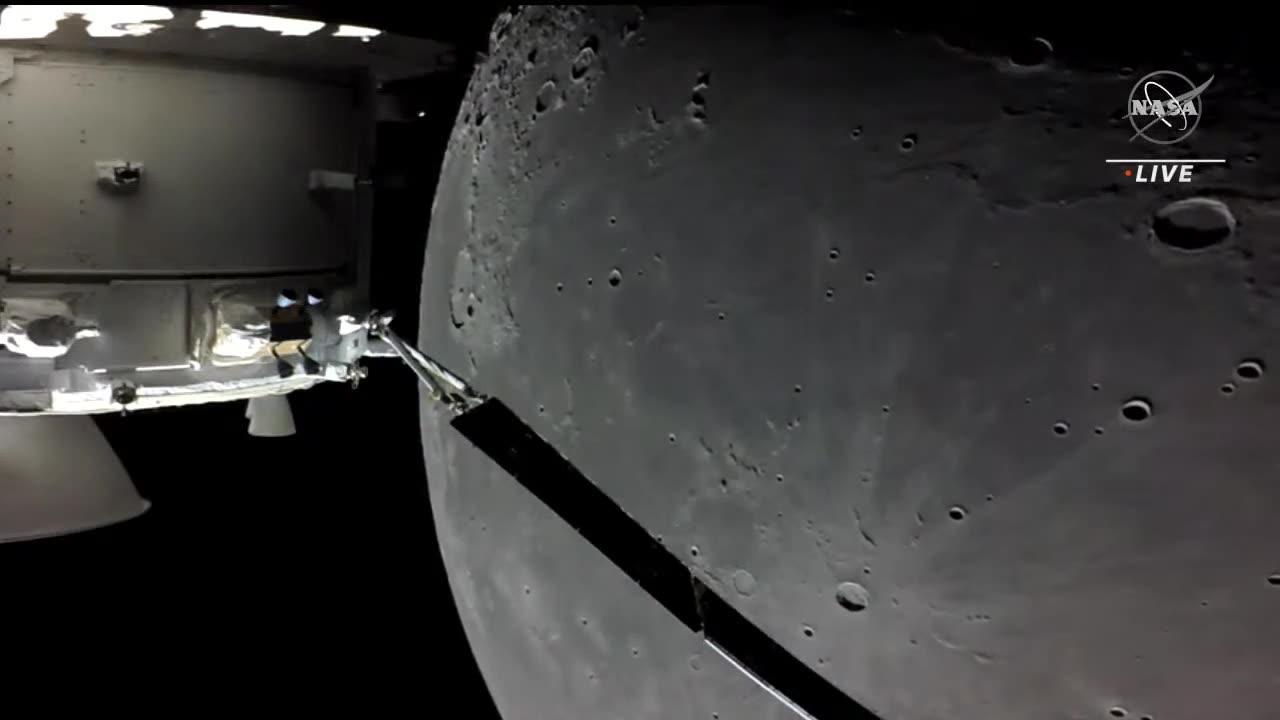
NASA Welcomes Artemis II Crew Following Successful Lunar Orbit Mission
The Artemis II mission has concluded as a resounding triumph, with NASA welcoming back the four-person crew after their successful journey around the Moon. This milestone marks a critical step in humanity’s return to lunar exploration, proving the viability of the systems required to send humans deep into space once again.
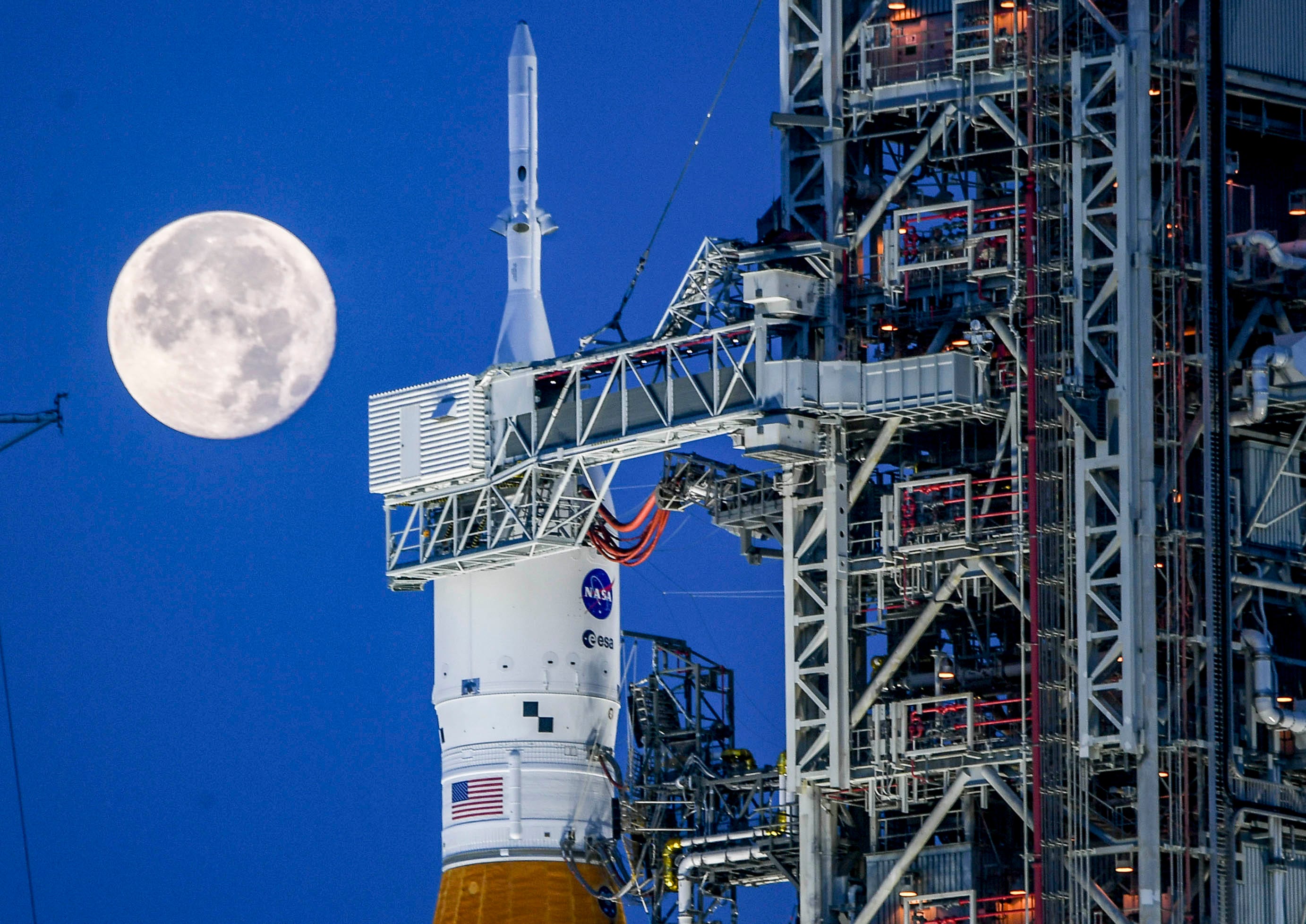
Among the crew was the first European to fly to the moon, a German astronaut who helped lead the mission to success. Reflecting on the experience, Astronaut Gerst described the operation as a “picture-book mission,” highlighting the precision and success of the flight. The safe return sparked significant relief in Bremen, reflecting the local pride and technical contributions tied to the German presence on the mission.
Beyond the technical achievements, the mission carried a profound philosophical message. During their journey, the four astronauts issued a poignant appeal to humanity, describing the potential for space exploration to serve as a “lifeboat in the universe.” This perspective underscores the existential and unifying nature of space travel, urging global cooperation as humans venture further from Earth.
While the return of the crew to NASA’s care validates the mission’s goals, the international community is now looking toward the next phase. The success of Artemis II raises the pivotal question of exactly when the next group of astronauts will transition from orbiting the Moon to actually landing on its surface.
This achievement not only validates the current lunar architecture but also strengthens international diplomatic ties through shared scientific ambition. By proving that a multi-national crew can safely navigate a lunar trajectory, NASA and its partners have set the stage for a permanent human presence on the Moon.
Details regarding the specific scientific gains of the voyage are being analyzed as experts ask what the Artemis 2 mission ultimately delivered in terms of data and operational experience.
