

NASA’s Artemis II Mission Hits First Milestones as Crew Journeys Toward the Moon
The Artemis II mission is officially underway, marking a pivotal step in humanity’s return to lunar exploration. Launched from Launch Complex 39B at NASA’s Kennedy Space Center on April 1, 2026, at 22:35:12 UTC, the mission is carrying four astronauts on a historic flyby of the Moon.
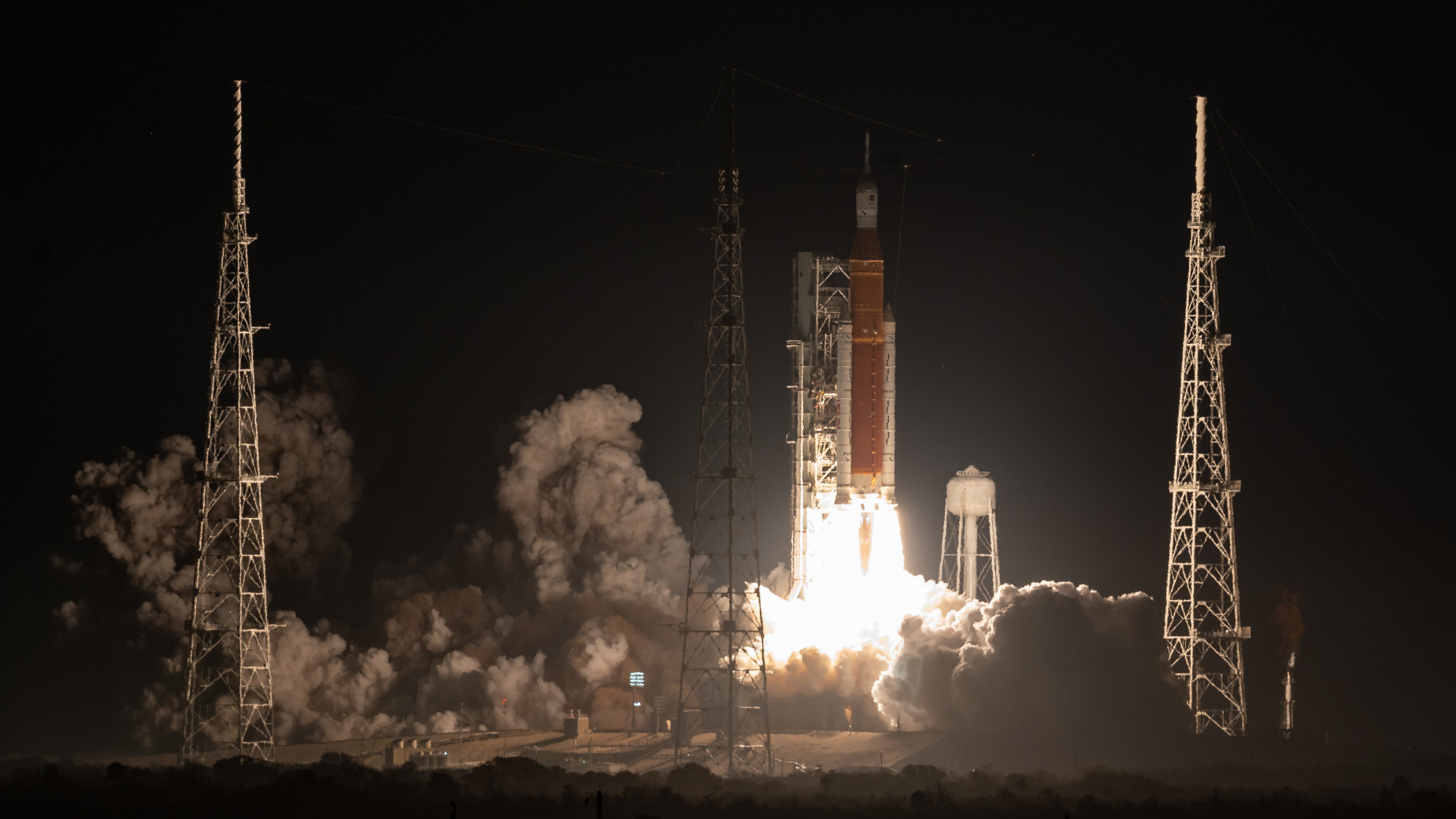
The crew—consisting of NASA astronauts Reid Wiseman, Victor Glover, and Christina Koch, alongside Canadian Space Agency astronaut Jeremy Hansen—is piloting the Orion spacecraft, aptly named Integrity. The mission, powered by the Space Launch System (SLS) rocket, is designed as a ten-day flight that will accept the crew approximately 4,700 miles from the lunar surface before returning them to Earth.
Early mission objectives have already yielded critical data. According to a NASA update published on April 1, 2026, the crew successfully executed a proximity operations demonstration. This complex activity tested the Integrity’s ability to perform manual maneuvers relative to another spacecraft—specifically the interim cryogenic propulsion stage (ICPS)—using onboard navigation sensors and reaction control thrusters.
During the 70-minute exercise, the crew guided the spacecraft through a series of controlled approach and retreat maneuvers. The demonstration concluded with an automated departure burn to safely distance the Orion from the ICPS, which is scheduled to perform its own disposal burn to re-enter the atmosphere over the Pacific Ocean. This successful test validates the spacecraft’s precision maneuvering capabilities, a necessity for future deep-space operations.
Beyond the primary crewed mission, Artemis II is serving as a vehicle for international technological innovation. Among the secondary payloads launched in the SLS Orion stage adapter are four CubeSats, including ATENEA. Developed in Argentina, ATENEA is a 12U CubeSat led by the Argentine Space Agency (CONAE) in collaboration with VENG S.A. And several academic institutions, including the National University of La Plata (UNLP), the National University of San Martín (UNSAM), the Faculty of Engineering of the University of Buenos Aires (FIUBA), the Argentine Institute of Radio Astronomy (IAR), and the National Atomic Energy Commission (CNEA).
ATENEA is designed as a technological demonstration to test innovative space systems and payloads, reinforcing Argentina’s national capabilities in satellite design and operation. The inclusion of such payloads highlights the growing trend of international cooperation in lunar exploration, diversifying the technical expertise contributing to the Artemis program.
The mission is currently in progress, with a planned duration of 10 days. The crew is expected to splash down in the Pacific Ocean no earlier than April 11, 2026, at 00:21 UTC.
