

NASA’s Artemis II Crew Passes Halfway Point to the Moon Amid Technical Toilet Challenges
As of April 5, 2026, the crew of NASA’s Artemis II mission has officially crossed a significant celestial threshold, now positioned closer to the Moon than to Earth. This milestone marks a critical phase in the first crewed lunar flyby in half a century, testing the limits of human deep-space endurance and system reliability.
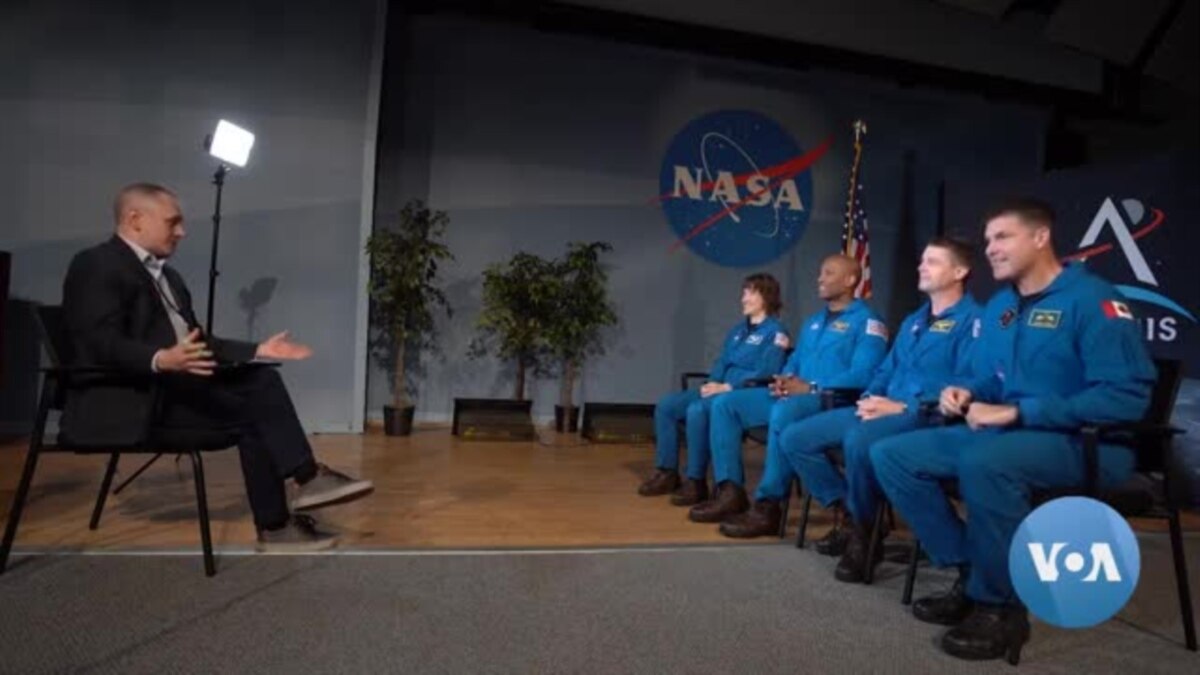
Launched on April 1, 2026, the 10-day mission utilizes the Space Launch System (SLS) rocket and the Orion spacecraft to carry a crew of four on a trajectory that will pave the way for future lunar landings and eventual missions to Mars. The journey has already seen several key technical demonstrations; by Flight Day 3, the crew had completed an outbound trajectory correction burn and prepared the cabin for the lunar flyby. By Flight Day 4, the astronauts successfully completed a manual piloting demonstration, verifying the crew’s ability to control the spacecraft in deep space.
However, the mission has not been without its logistical hurdles. Reports indicate that astronauts have encountered a problem with the onboard toilet. While seemingly a minor detail, the functionality of the waste management system is a critical component of life support for long-duration spaceflight. The evolution of these systems—from the very first spacecraft toilets to the current Orion configuration—remains one of the more curiosities of the Artemis II mission.
Beyond the technical challenges, the crew has been sharing the experience with the public, sending images of the “blue planet” back to Earth. As they approach the Moon, the astronauts are preparing for a unique visual experience, where they will be able to observe craters on the lunar far side and a distinct horizon that is invisible from Earth.
This mission follows a strategic shift in NASA’s lunar timeline. In February, NASA Administrator Jared Isaacman overhauled the program to address cost and scheduling concerns, which included the addition of a new mission between Artemis II and the first crewed lunar landing. The current flight serves as a vital stress test for the Orion spacecraft’s ability to sustain human life in deep space, signaling a renewed commitment to establishing a long-term human presence on the Moon.
